Klyvora
Klyvora
Klyvora
High-performance processing components, RAID controllers, and custom system-level solutions built to maximize computing efficiency.
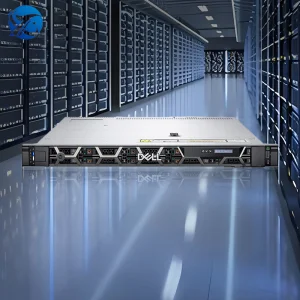
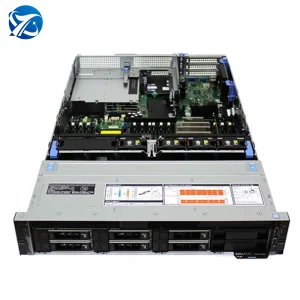
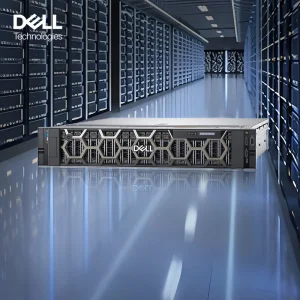
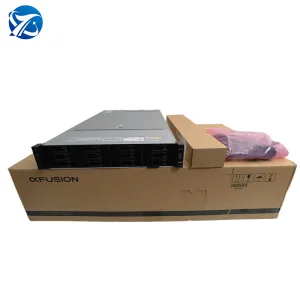
An engineering analysis of how modern enterprises are transitioning from generic public clouds to highly tailored hybrid hardware designs.
In the current technological landscape, global enterprises are facing a complex challenge: balancing the scalability of the public cloud with the security, predictability, and performance of dedicated, on-premises infrastructure. Public cloud environments, while flexible, introduce unpredictable egress costs, potential data sovereignty risks, and performance overhead due to hypervisor layers. Conversely, standard off-the-shelf on-premises hardware often lacks the specialization required for modern compute workloads such as deep learning inference, massive database hosting, and high-frequency analytical queries.
This challenge has led to the rise of specialized OEM/ODM Hybrid Cloud Services. Rather than adopting one-size-fits-all hardware, enterprises now collaborate directly with hardware design manufacturers to develop bespoke systems tailored to their exact software architectures. Klyvora Node Technologies Ltd. stands at the forefront of this movement, engineering custom high-performance computing infrastructure, AI GPU server systems, and scalable compute clusters designed specifically to bridge the divide between local physical execution and cloud orchestration layers.
By customizing CPU/GPU ratios, PCIe lane distributions, and memory channel configurations, we eliminate hardware bottlenecks and align hardware design with specific software performance targets.
Ensuring compliance with localized data protection policies (such as GDPR, HIPAA, and SOC 2) through firmware-level root of trust (RoT), secure boot mechanisms, and physical security designs.
Reducing long-term operational expenses by lowering energy consumption (PUE management), designing custom efficient thermal systems, and eliminating public cloud data egress fees.
Enterprise procurement teams in North America, Europe, the Middle East, and Southeast Asia are shifting away from buying standard off-the-shelf servers. The demands of modern applications require a deeper level of hardware co-engineering. Procurement specialists focus on several key pillars during evaluation:
Purchasers require manufacturers to deliver beyond L6 component-level assembly. The demand is for L10 (fully assembled systems with processors, memory, and storage) and L11 (racked solutions pre-configured with operating systems, network topology, and clustering software) to minimize deployment times.
Due to recent geopolitical shifts and component shortages, procurement teams evaluate the depth of a manufacturer's supply chain. Having over 860 key supply chain partners allows manufacturers to source alternatives, ensuring delivery timelines are met even during global shortages.
Data centers are constrained by physical space and power delivery. Systems must be engineered to extract the maximum compute density per rack unit (U), whether that is through dense 1U node clustering or high-density 2U/4U GPU chassis.
Different industrial sectors require distinct hybrid cloud hardware configurations. Standard server designs cannot address the contrasting needs of low-latency financial systems and high-capacity media streaming nodes:
| Industry Sector | Key Architectural Focus | Recommended Hardware Blueprint |
|---|---|---|
| Financial Services | Low latency, PCIe integrity, security | 1U High-frequency compute nodes, PCIe Gen 5.0 expansion slots, hardware security modules (HSM) |
| Healthcare & Life Sciences | Local data isolation, processing power | 4U high-density GPU nodes for local genomic sequencing & AI-driven diagnostics |
| Telecommunications & Edge | Ruggedized designs, wide thermal range | Short-depth rackmount servers, redundant power distribution, OCP 3.0 network cards |
| AI Research & Deep Learning | Inter-GPU bandwidth, high memory capacity | 2U/4U Servers optimized for GPU architectures (such as NVIDIA HGX/AMD Instinct), liquid cooling ready |
Industry Expertise
R&D Engineers
Supply Chain Partners
Annual Export Value
How Klyvora Node Technologies translates complex workload requirements into production-ready silicon-to-chassis platforms.
A true OEM/ODM partner does not simply assemble standard components; they co-engineer solutions. At Klyvora Node Technologies, our engineering team consists of approximately 180 dedicated professionals specializing in electrical engineering, high-density thermal management, signal integrity, and firmware development. Our collaborative design process is structured into four distinct phases to ensure system reliability and compatibility:
We optimize motherboard routing to guarantee clean high-speed signal transmission for PCIe Gen 5.0 and upcoming Gen 6.0 interfaces, minimizing packet loss and latency across storage and expansion cards.
Using computational fluid dynamics (CFD) models, we customize airflow patterns and design copper/aluminum heat pipe assemblies to support components with high Thermal Design Power (TDP) up to 400W per socket.
We offer firmware customization to align with specific software needs. This includes tailoring IPMI, Redfish APIs, secure boot variables, and optimizing power states to maximize hardware utilization.
This high-level R&D focus has enabled Klyvora to introduce 86 new products in the past year alone. This fast-paced innovation ensures our clients have access to the latest technological advances, including high-density storage drives, reliable RAID controllers, and next-generation CPU architectures.
Anticipating technological shifts and designing hardware architectures prepared for tomorrow's infrastructure demands.
As compute workloads grow, server design must evolve. The roadmap for enterprise computing centers around three primary technological pillars:
We are currently developing system architectures that support CXL 2.0 and 3.0 standards. This will allow for memory pooling and expansion, breaking down memory bottlenecks and enabling CPUs, GPUs, and DPUs to share memory pools dynamically.
With chip-level power demands continuing to rise, air cooling is reaching its physical limits. Our development team is expanding our Direct-to-Chip (DLC) liquid cooling systems and immersive cooling support to maintain safe operating temperatures and reduce Power Usage Effectiveness (PUE) below 1.15.
Future iterations of our baseboard management controller (BMC) firmware will integrate machine learning algorithms. These will monitor real-time thermal, voltage, and electrical signals to detect and report component issues before they cause system failures.
We are optimizing server materials and production processes to align with global ESG standards. This includes using recyclable alloys and packaging materials, as well as designing modular systems to facilitate component upgrades instead of complete system replacements.
A look into our validation workflows, testing methodologies, and our network of supply chain partners.
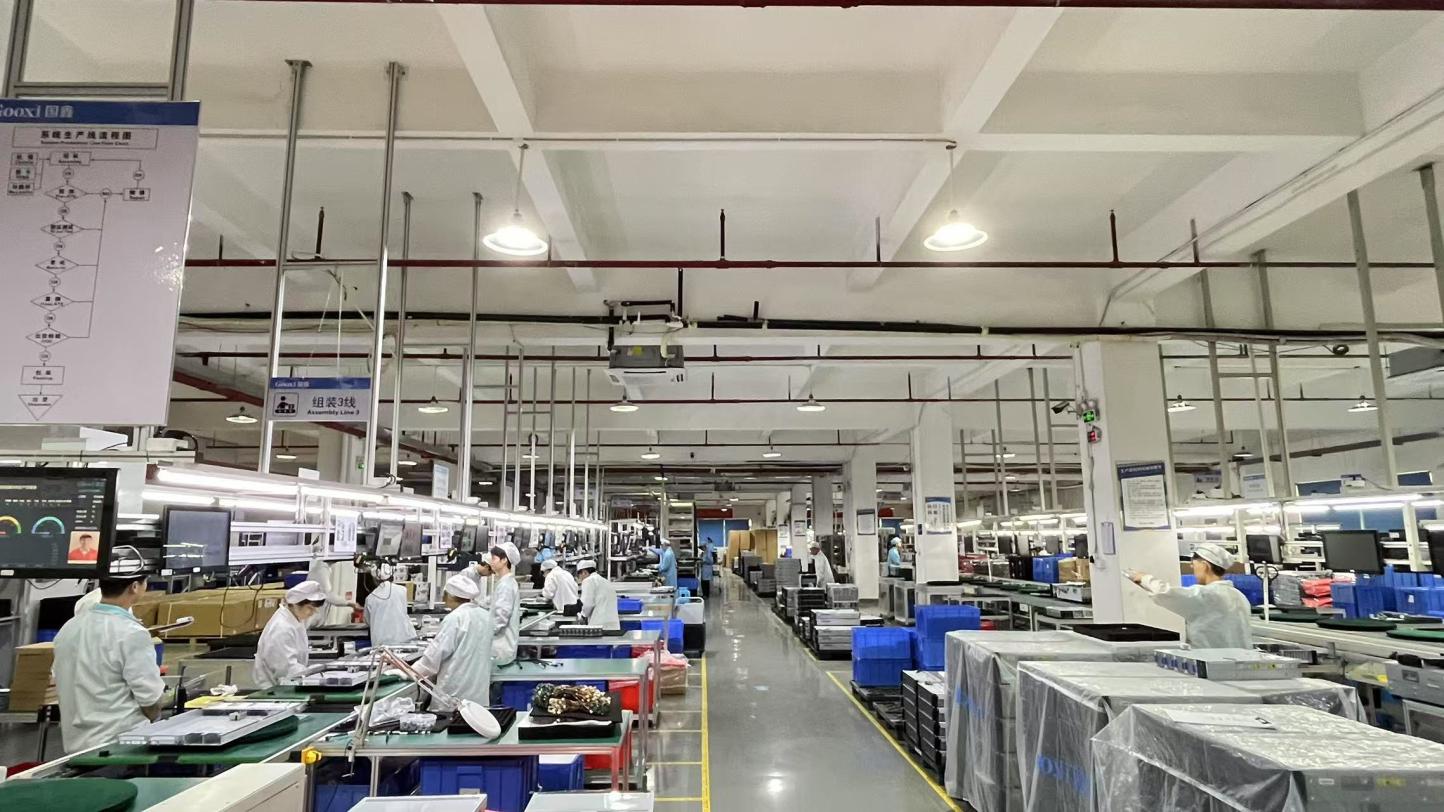
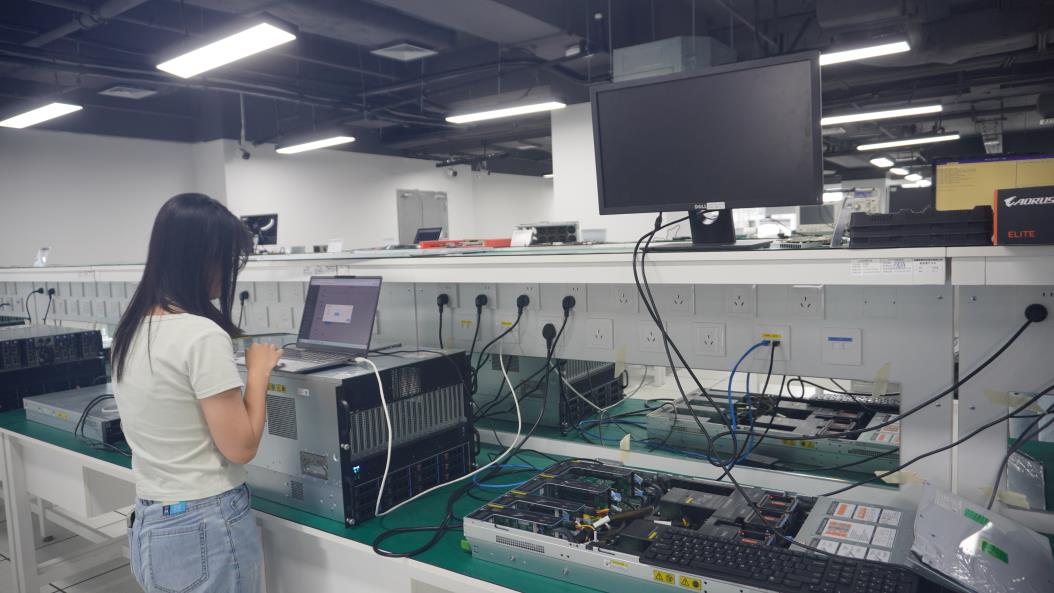
High-performance computing systems are only as reliable as their weakest component. To ensure high availability and long product life, Klyvora Node Technologies utilizes a multi-step quality assurance framework managed by a team of 42 quality control professionals.
Assembled nodes undergo thermal validation within dedicated climate chambers. We test system stability at ambient operational temperatures up to 45°C to confirm that heat dissipation pathways remain effective under high computational loads.
Processors, memory slots, and PCIe controller cards are subjected to continuous burn-in testing under peak utilization for at least 72 hours. This process helps identify and replace components prone to early failure, ensuring reliability.
We source components from our audited network of over 860 partners. This direct communication line enables component tracking and helps ensure that all chips, storage modules, and capacitors meet our standards.
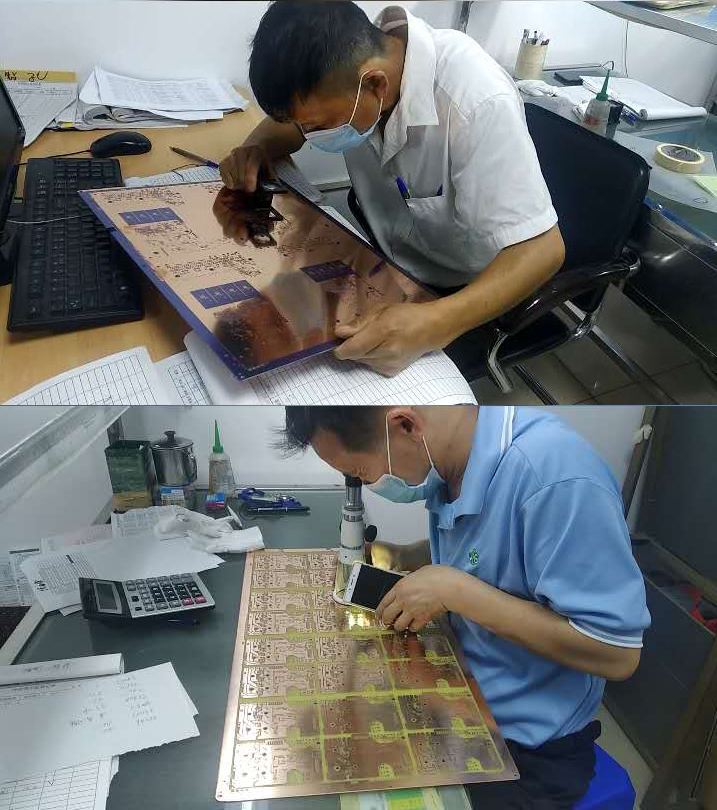
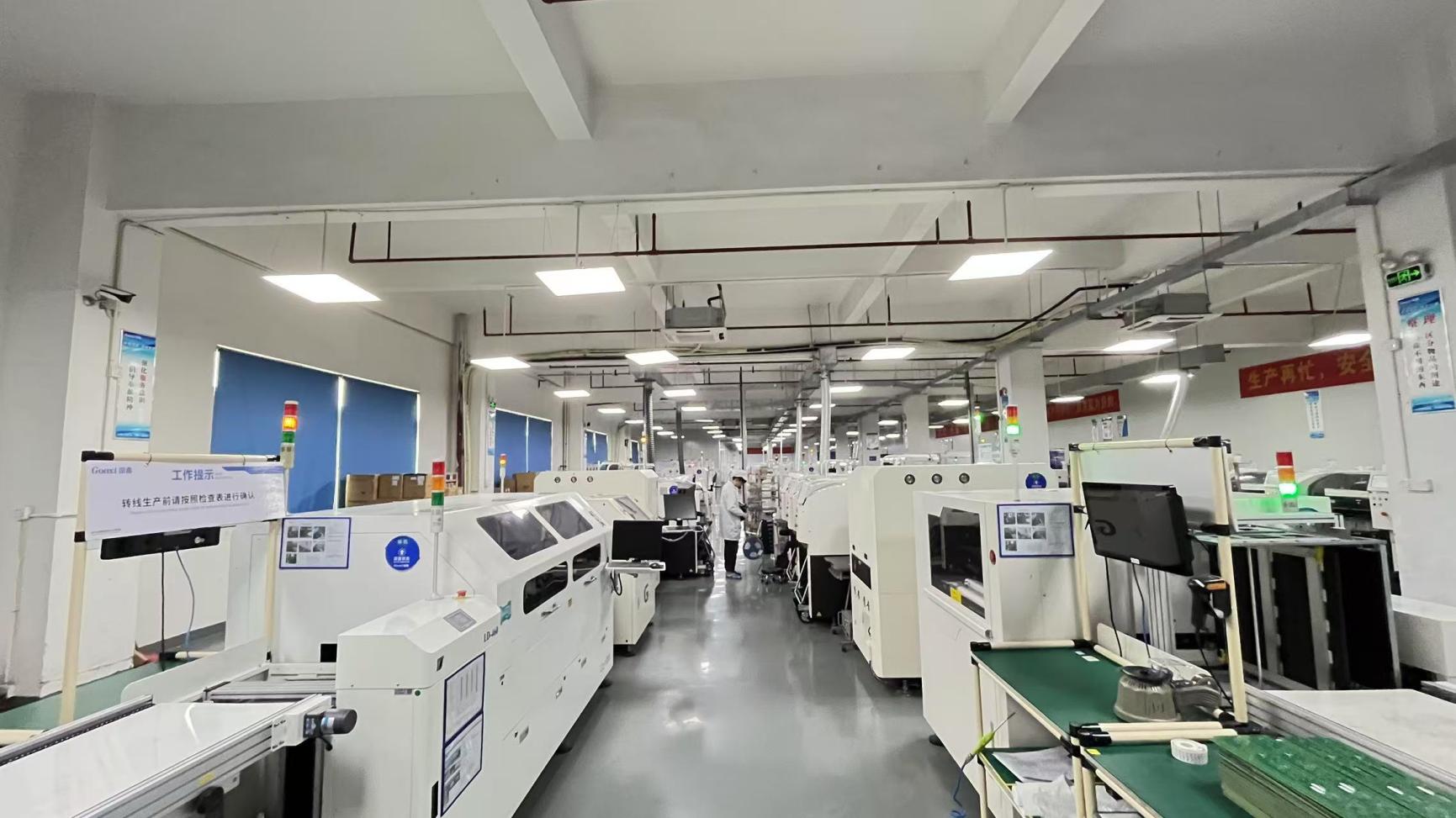
Meeting data sovereignty regulations and providing on-the-ground support to local system integrators.
Deploying hybrid cloud setups requires meeting international and local compliance standards. From GDPR and NIS 2 in Europe to HIPAA and SOC 2 in North America, we build hardware with security and compliance in mind:
We assist enterprise customers in building private clusters that comply with local data residency laws, keeping sensitive data localized on dedicated bare-metal infrastructure.
We work with distribution networks in North America, Europe, the Middle East, and Southeast Asia to streamline shipping, customs processing, and local compliance certification.
Through our networks, we provide access to spare components, diagnostic guides, and firmware updates to ensure minimal system downtime after deployment.
Technical answers to common questions raised by enterprise procurement teams and systems integrators.
Explore additional rack storage options, high-density server configurations, and components designed for enterprise datacenters.