Klyvora
Klyvora
Klyvora
Discover our engineered high-performance components optimized for mission-critical host servers
Founded in 2016, Klyvora Node Technologies Ltd. has established itself as an authoritative manufacturer in the high-performance computing infrastructure sector. We focus on engineering high-density AI GPU server systems, scalable hyper-converged compute clusters, and premium-grade data center peripheral accessories. Operating from a modern production facility of 320㎡ integrated with advanced hardware assembly, environmental testing, burn-in validation, and quality control systems, Klyvora provides key technological capabilities to scale global data centers.
We are a dedicated hardware infrastructure provider with a robust R&D force comprising approximately 180 engineers. Our core competencies focus on firmware optimization, liquid-cooling chassis thermal analysis, NVMe RAID acceleration, and high-density signal integrity. Through active partnerships with over 860 global tier-one supply chain brands, Klyvora ensures high component reliability and a secure material source for processors, memory units, and power systems.
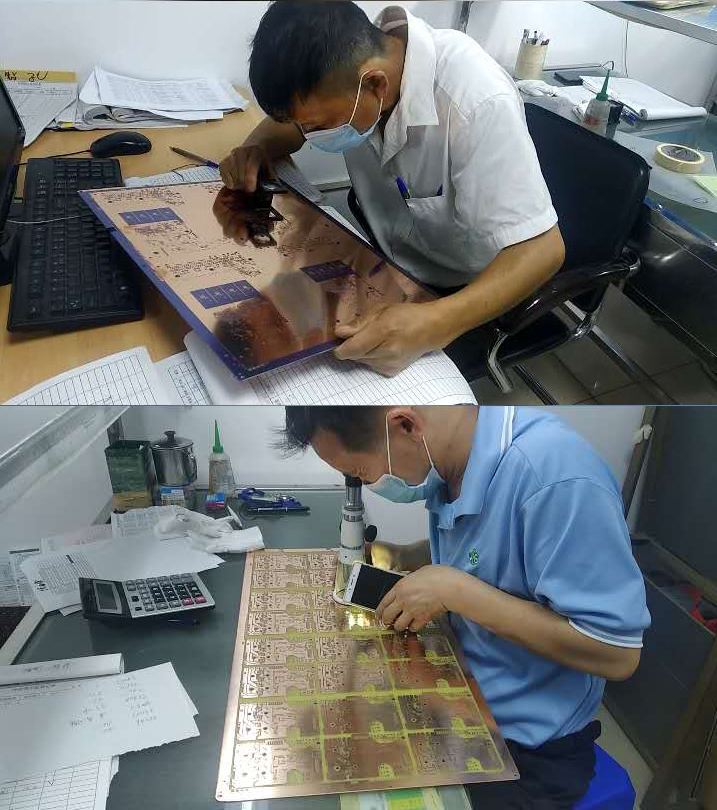
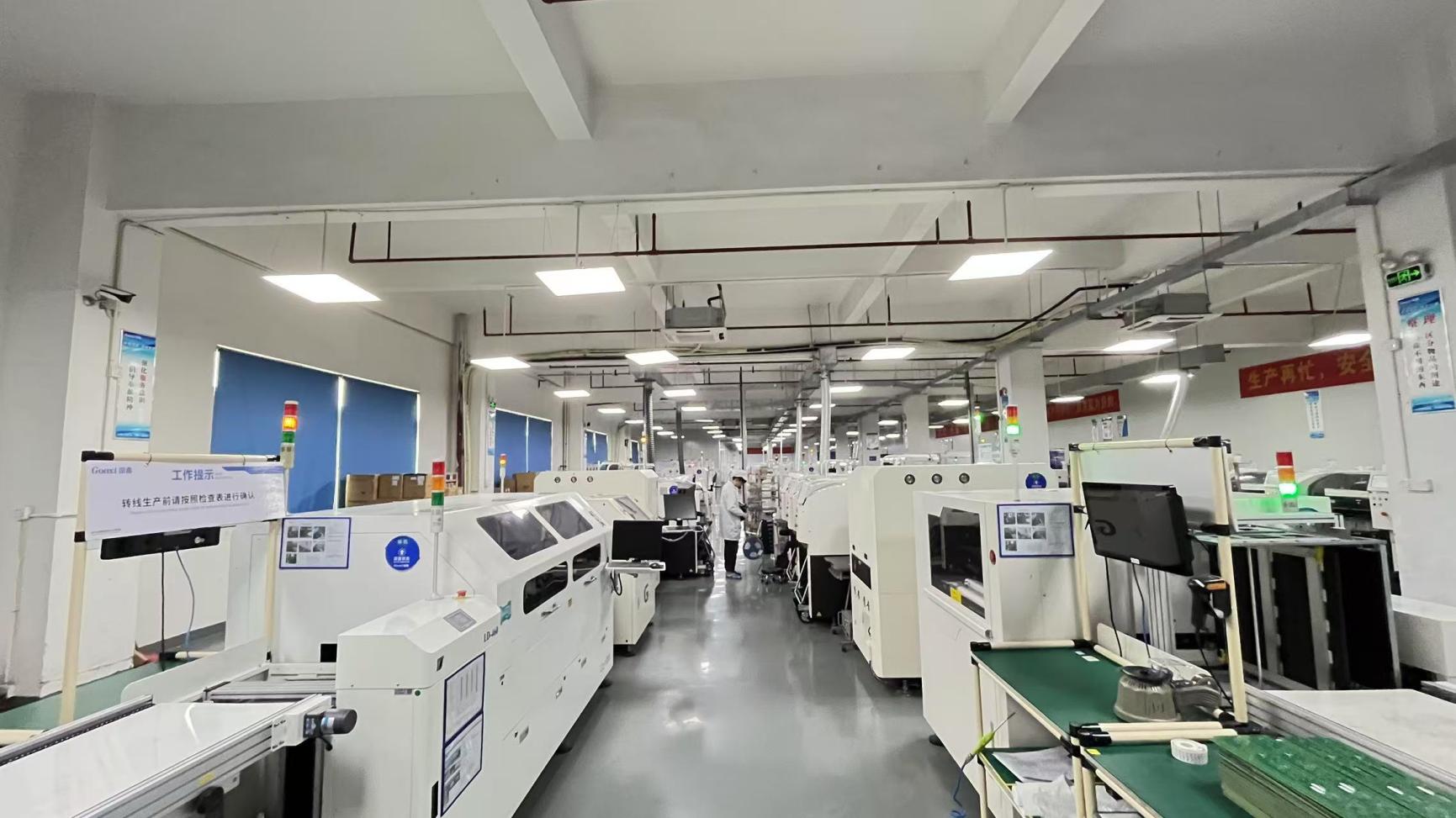

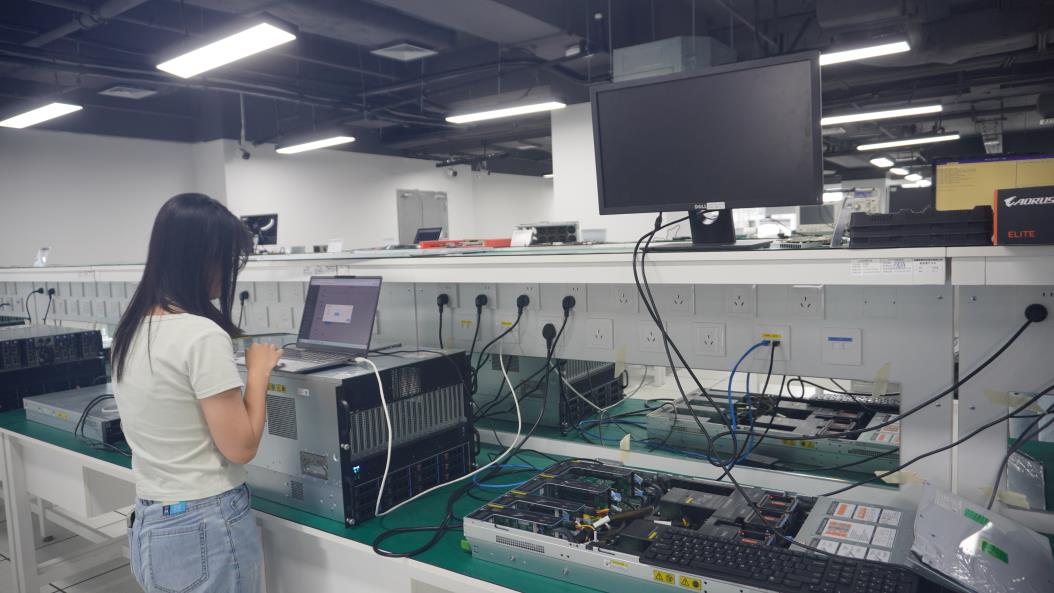
Why global system integrators and hyperscalers procure from Klyvora Node Technologies Ltd. in China’s high-tech industrial clusters.
Southern China's tech hubs concentrate raw material processing, PCB fabrication, high-speed SMT assembly lines, and specialized IC distributors within a 50-kilometer radius. This close integration allows Klyvora to source components like high-speed SAS cables, RAID controllers, and VRM power modules with shorter lead times than international competitors.
With an active pipeline of 86 new hardware product designs developed and launched in the past year alone, our engineers utilize established component standards to scale custom configurations. We transition projects from initial CAD modeling and thermal airflow simulation to fully functional, small-batch prototypes in less than two weeks.
By optimizing assembly automation and applying stress diagnostics early in production, we reduce unit-level testing overhead while maintaining strict compliance with standards like CE, FCC, and RoHS. Our procurement cost structure remains competitive, passing savings directly to global enterprise buyers.
Enabling scalable performance across demanding data center workloads and localized application environments.
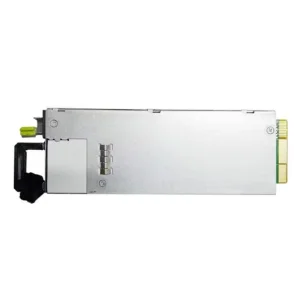
High-performance computing workloads demand stable power delivery and low-latency storage access. Our high-efficiency server power supplies—including Platinum 900W, 1500W, and 2000W AC units—are designed for high-density GPU nodes running complex AI models. These power supplies protect hardware against transient overcurrent situations, ensuring continuous compute uptime.
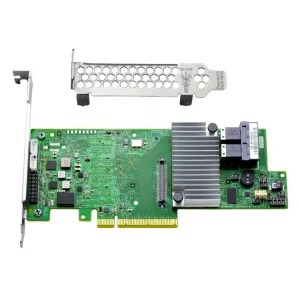
For large-scale storage arrays, the integrity of data transfers is critical. Incorporating PCI Express 4.0 Tri-Mode controllers, such as the LSI 9560-16i with 8GB cache or the 9540-8i SAS RAID cards, allows administrators to configure RAID 0, 1, 5, 6, 10, 50, and 60 arrays. These configurations protect data against drive failures while providing fast throughput for active database queries.
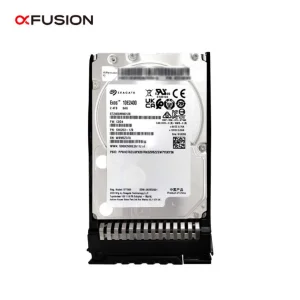
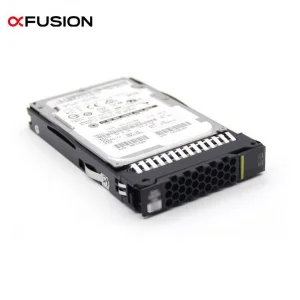
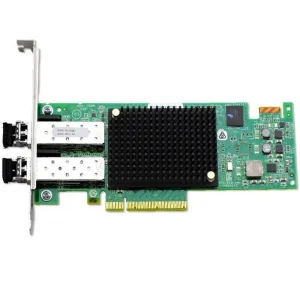
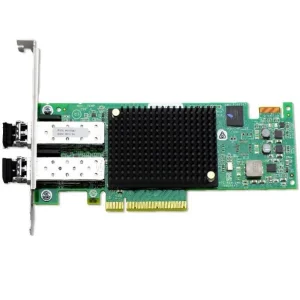
Integrating Emulex LPe35002-M2 Dual Port 32GFC or LPE35000 Single Port Fibre Channel HBAs directly with high-performance host servers creates a low-overhead network. Combined with EP600 NVMe PCIe SSDs, this configuration minimizes database latency and maximizes IOPS for transactional business software and virtualization platforms.
Key developments in network virtualization, high-speed data transmission, and system cooling.
Data centers are shifting toward higher PCIe speeds to support fast data paths between CPUs and storage devices. Klyvora is adapting its RAID and HBA lineups to meet PCIe Gen 5.0 standards, which double the bandwidth of Gen 4.0 configurations and enable more efficient memory pooling.
High power densities generate significant heat. Our customized chassis options support specialized duct systems and direct-to-chip liquid cooling loops. Combined with digital PMBus power monitoring, these systems help data centers optimize PUE metrics.
Edge nodes require compact components with low maintenance needs. In these environments, M.2 hardware RAID boot cards (like the XP270-M2 SAS3808) provide reliable operating system boot volumes without consuming full-size drive bays.
Detailed technical answers to help enterprise buyers configure, source, and implement server components.
A Host Bus Adapter (HBA) connects a host system directly to storage drives without managing drive arrays. High-performance Fibre Channel HBAs, like the Emulex LPe35002-M2, transfer data directly to SANs with minimal latency, making them ideal for high-throughput virtualization or database clusters.
In contrast, a hardware RAID controller card (such as the LSI 9560-16i or the XC470C-M-8i) features onboard processors and cache memory (like 4GB or 8GB caches) to handle disk array management. This offloads RAID calculations from the host CPU and supports battery-backed or flash-backed cache to protect write data during unexpected power failures.
PCIe Gen 4.0 doubles the data transfer bandwidth compared to Gen 3.0, providing up to 16 GT/s per lane. For an x8 card, this increases the theoretical limit to approximately 16 GB/s.
For storage arrays using NVMe drives, this extra bandwidth prevents interface bottlenecks when multiple SSDs read or write simultaneously. It allows controllers like the LSI 9560-16i to process high IOPS workloads without throttling performance.
Modern server components generate significant heat during sustained processing workloads. Without proper cooling, components can face thermal throttling, which degrades performance and can lead to hardware failure.
At Klyvora Node Technologies, our quality control team uses automated stress diagnostics and thermal chambers to run servers at 100% compute capacity for 24 to 72 hours. This process helps identify potential component weak points and verifies that heat dissipation designs work correctly before shipping.
Onboard cache serves as a high-speed buffer for data writes. When a server writes data to a storage volume, the RAID controller stores it in its cache and immediately acknowledges the write operation, allowing the server to continue its work while the controller writes the data to the slower physical disks.
A larger cache, like the 8GB cache on the LSI 9560-16i, handles burst write requests more effectively than smaller 1GB or 2GB buffers. This keeps database write performance fast and steady, even during heavy traffic periods.
Klyvora partners with a network of over 860 verified component suppliers. We maintain safety stock levels for key controllers, memory chips, and power controllers to insulate production schedules from market fluctuations.
Additionally, we work closely with key technology partners, allowing us to find alternative component specifications when primary parts are hard to source. This keeps our production lines moving and ensures on-time delivery for our clients.
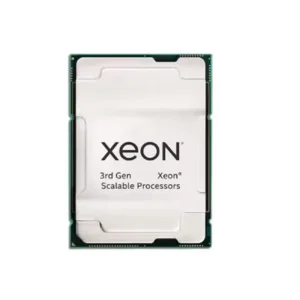
Enhance your data center systems with our reliable processors, enterprise-grade hard drives, and high-efficiency power supplies