Klyvora
Klyvora
Klyvora
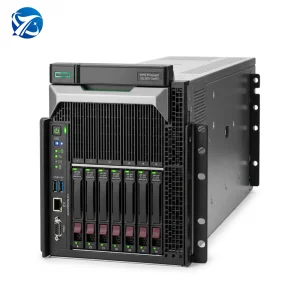
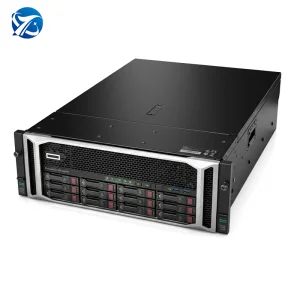
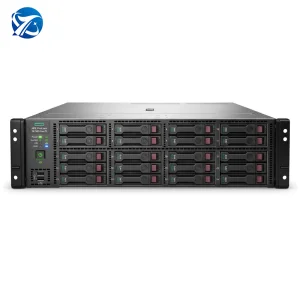
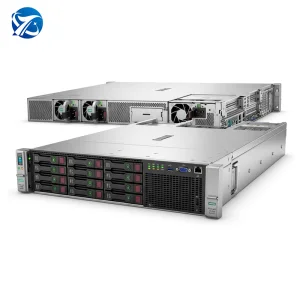
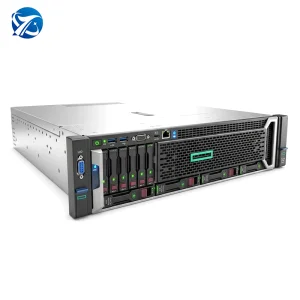
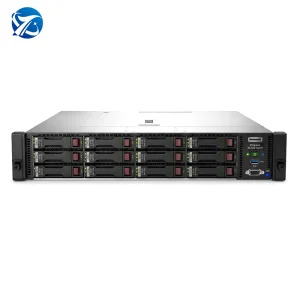
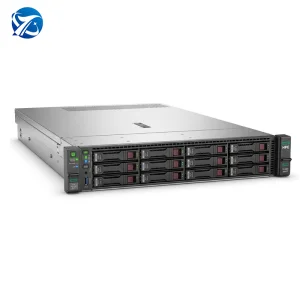
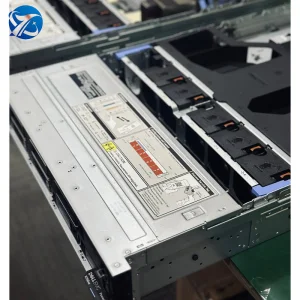
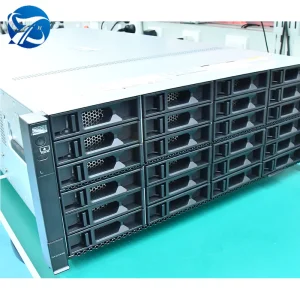
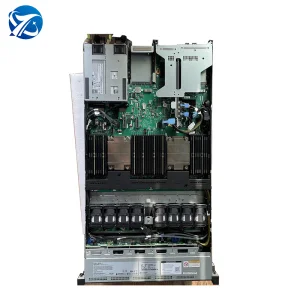
Explore our premium selection of HPE ProLiant platforms and high-density compute architectures engineered for critical enterprise operations.
A Comprehensive Technical Analysis on HPE ProLiant Gen11 & Gen12 Systems for modern Hybrid Cloud and AI workloads.
As organizations shift from legacy localized operations to distributed edge and hyper-scale structures, selecting the correct compute partner becomes a core engineering decision. HPE servers, particularly the world-renowned ProLiant DL380 and DL360 lines, offer the versatility to adapt to any environment. Whether you are running hybrid virtualization platforms, high-transaction ERP suites, or complex artificial intelligence training datasets, these systems dynamically scale compute, memory, and cooling infrastructure to ensure maximum workload availability.
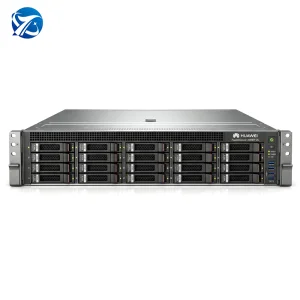
Furthermore, our offerings include customizable configuration profiles. For instance, the HPE ProLiant Compute DL360 Gen12 supports advanced liquid cooling integrations, mitigating thermal thresholds while reducing cooling costs across large-scale deployments. This structural innovation answers the modern call for sustainable data center footprints while matching high-density GPU compute requirements.
Leveraging geographical integration, hardware engineering agility, and robust logistics infrastructure.
Operating from major industrial hubs like Shenzhen and Suzhou allows developers to source high-grade component elements, custom chassis, and advanced integrated circuits with zero pipeline delay. This translates directly to rapid system integration and fast export procedures, reducing global logistics times from months to weeks.
Chinese custom engineering facilities provide an unprecedented degree of system adjustment. Whether you require specific GPU configurations (such as DeepSeek optimization layers), specialized NVMe storage arrays, or specific network expansions via 10G/40G switches, local supply chains integrate these systems at competitive costs.
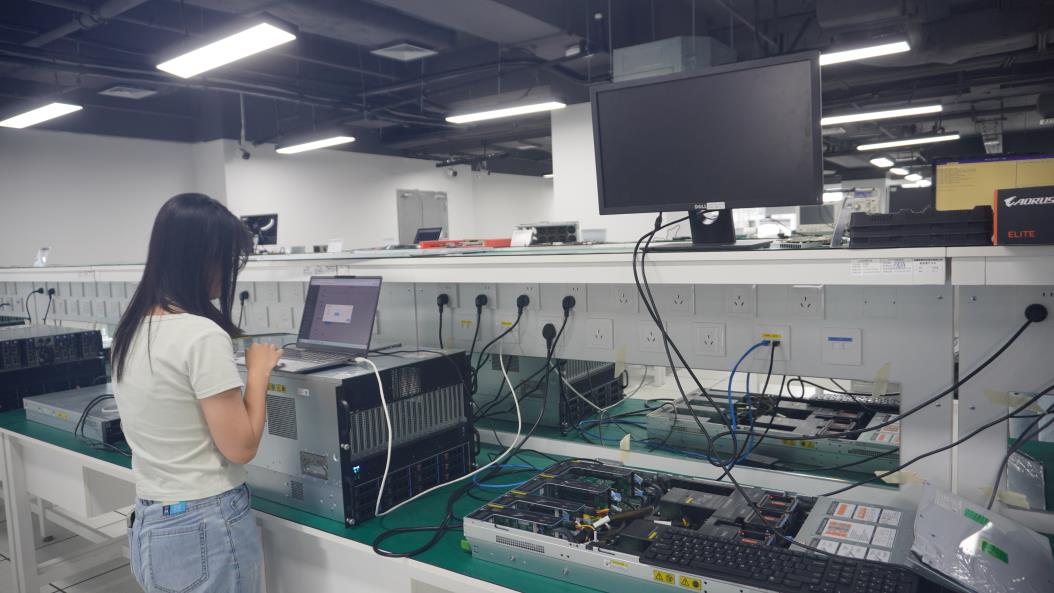
Advanced diagnostic systems test components under high-stress situations. Before custom hardware is exported, it undergoes multi-day hardware stress testing, thermal chamber runs, and network bandwidth validation processes to guarantee absolute reliability upon arrival.
China's role as a major hub for global hardware engineering goes beyond manufacturing efficiency. The ecosystem supports deep collaborations with technology component suppliers, allowing us to quickly source key chips, advanced motherboards, memory modules, and specialized liquid cooling systems. By operating at the center of this network, suppliers can design, assemble, configure, and ship highly optimized computing solutions that are tailor-made to match the procurement budgets of global enterprises.
Strategic technology developments reshaping the modern computing landscape.
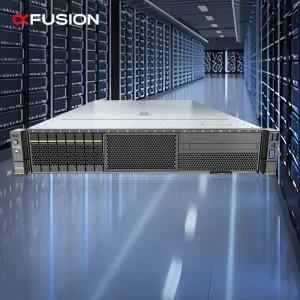
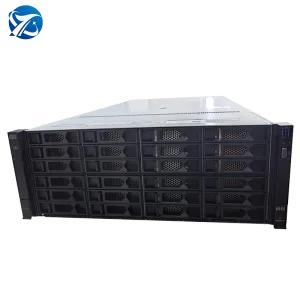
The compute footprint has changed dramatically with the rise of Large Language Models (LLMs) and advanced neural network deployments. Enterprises now require high-density systems capable of performing real-time AI inference at scale. Server configurations like the HPE ProLiant Compute DL360 Gen12, supporting up to 3 GPUs, and FusionServer xFusion G5500 V6 are designed to host high-performance accelerators, allowing localized deployment of business AI engines with low network latency.
With processor thermal design power (TDP) values scaling past 350 Watts per CPU socket, traditional air cooling systems are reaching their physical limits. Next-generation datacenters are integrating direct-to-chip liquid cooling setups. This structural change significantly reduces the overall Power Usage Effectiveness (PUE) of data centers, helping companies lower operating costs while meeting corporate sustainability regulations.
Modern virtualization deployments leverage systems like the xFusion 2288H V6 Hyperconverged Infrastructure System to merge computing, storage, networking, and virtualization resources into a single system. This architecture reduces operational complexity, enabling system administrators to dynamically allocate resources in response to changing enterprise demand.
Ultra-low latency platforms demand dedicated performance. The combination of HPE high-frequency processing units and custom network card adaptations provides the execution times and transaction reliability required by global banking and trading environments.
Processing genomic datasets requires massive memory capacity. Systems containing up to 8TB of high-speed DDR5 memory allow biological data pipelines to run calculations efficiently, significantly reducing discovery timelines.
Ruggedized, short-depth 1U servers deliver reliable computing directly to network towers and remote nodes, enabling high-speed localized data processing and accelerating the roll-out of new services.
Your Trusted High-Performance Computing Infrastructure Partner
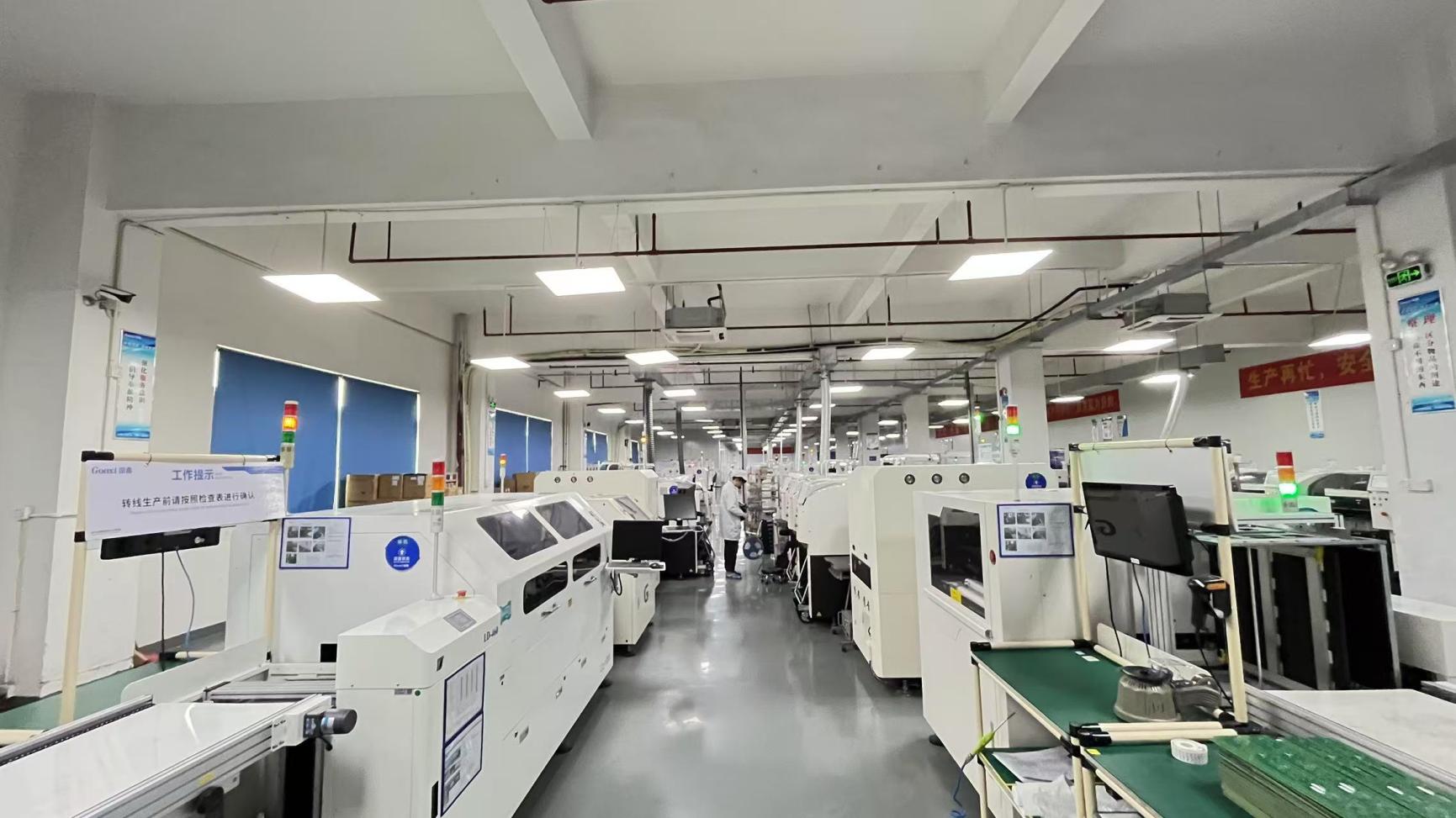
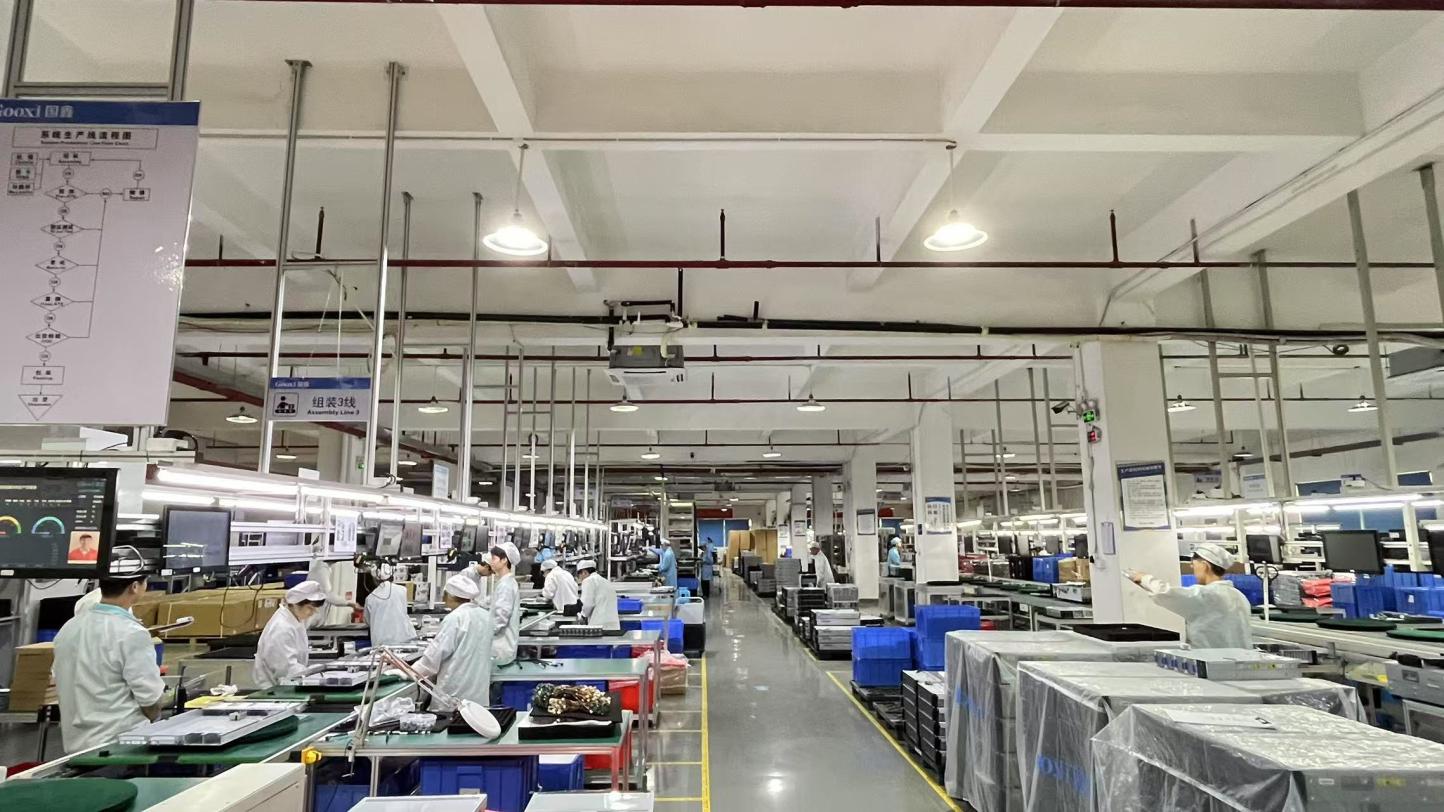
Klyvora Node Technologies Ltd. is a high-performance computing infrastructure manufacturer specializing in AI GPU server systems, scalable compute clusters, and enterprise-grade data center solutions. Established in 2016, the company operates a modern production facility with a total building area of approximately 320㎡, supporting integrated R&D, assembly, testing, and quality control operations.
The company reports annual export revenue ranging between USD 8 million and USD 22 million, with over 6 years of export experience and 11 years of accumulated industry expertise in advanced computing hardware and system integration. Klyvora maintains a strong international trade background and serves major markets including North America, Europe, the Middle East, and Southeast Asia.
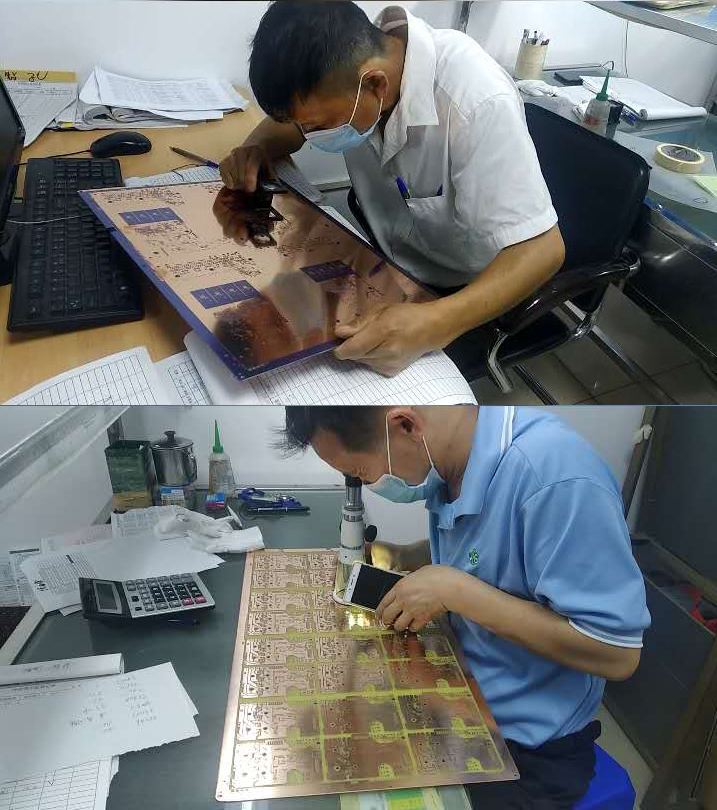
Klyvora Node Technologies employs a structured quality assurance system, combining automated testing methods, burn-in stress testing, and full-system validation procedures. Product inspection methods include thermal performance testing, hardware stress diagnostics, and multi-stage functional verification. The quality control team consists of approximately 42 dedicated professionals ensuring strict compliance with international manufacturing standards.
The company collaborates with a global supply chain network of over 860 partners, enabling stable sourcing of high-grade components such as GPUs, server-grade motherboards, power systems, and cooling solutions. Its primary customer base includes AI research institutions, cloud service providers, enterprise data centers, and HPC solution integrators.
Klyvora maintains strong R&D capabilities with a team of around 180 engineers focused on GPU server architecture optimization, liquid cooling innovation, and AI workload acceleration. The company supports a wide range of customization options, including chassis design, thermal configuration, GPU density optimization, and firmware-level system tuning.
In the past year, Klyvora has launched approximately 86 new products, reflecting its continuous innovation in high-density computing systems and next-generation AI infrastructure solutions.
Strategic sourcing considerations for chief information officers (CIOs) and purchasing directors.
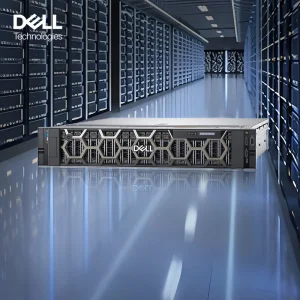
When procuring enterprise-grade assets like the Dell PowerEdge R760, HPE ProLiant Gen11/Gen12, or FusionServer 1288H V7, global enterprise procurement teams focus on long-term hardware lifecycles and reliable technical support. Hardware solutions must go beyond standard technical performance; they need to offer long-term compatibility, energy efficiency, and scalable expansion pathways.
Technical answers to common questions about server configuration, global distribution, and customization.
HPE ProLiant Gen12 servers introduce support for the latest high-core processor architectures, enhanced PCIe Gen5 slots, and advanced DDR5 memory interfaces. These updates significantly improve computational bandwidth, make the platform ideal for AI inference and big data analytics, and offer better power efficiency compared to Gen11 designs.
Yes. We offer fully customized configurations on all high-performance systems. Our technical teams can modify RAM configurations (up to 8TB DDR5), integrate specific NVMe or SAS/SATA drive bays, and pre-install preferred PCIe network expansion cards (HBA / Nic) prior to shipment.
Liquid cooling systems target processors and graphics accelerators directly, removing heat much more efficiently than traditional air-cooled setups. This prevents performance throttling under heavy workloads, lowers overall data center energy consumption (PUE), and extends the operational lifespan of internal components.
All server hardware goes through a multi-stage quality assurance checklist, including hardware component verification, high-load stress testing (burn-in), thermal performance checks under load, and out-of-band management interface testing (such as iLO or iDRAC diagnostics) to ensure the system is ready to deploy.
We use multi-layered anti-static packaging, heavy-duty foam cushioning, and reinforced shipping boxes. For bulk or heavy rack-mount shipments, units are secured on pallets and protected with stretch wrap to prevent physical shocks and moisture damage during transit.
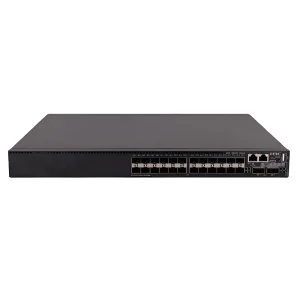
Complete your infrastructure with high-speed switches, scalable NAS systems, and high-density computing platforms.