Klyvora
Klyvora
Klyvora
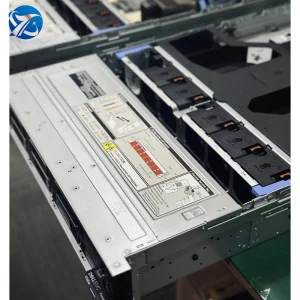

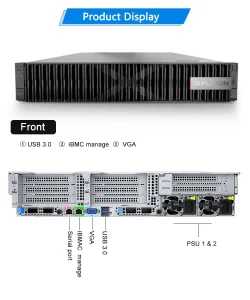
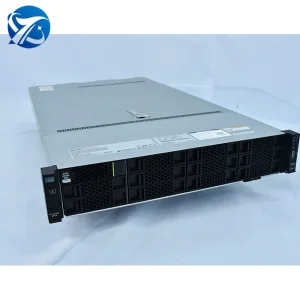

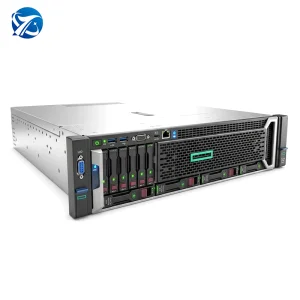
A comprehensive analysis of design metrics, heat management, and physical architectural standards driving next-generation enterprise clusters.
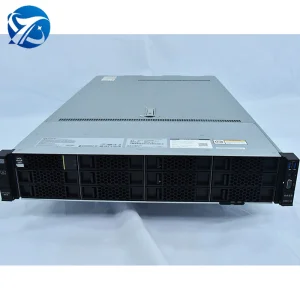
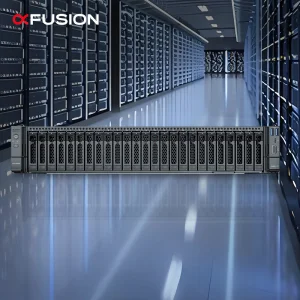
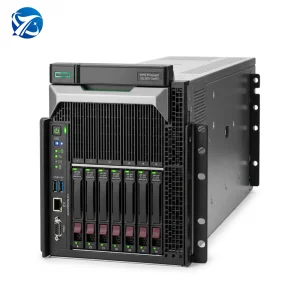
Modern cloud centers and edge computing nodes demand highly tailored chassis layouts to maximize horizontal processing densities. Standard rack footprints (1U, 2U, and 4U systems) require careful engineering of internal trace routings, board power limits, and modular riser arrangements. OEM manufacturing excels by bypassing generic hardware templates, allowing engineers to custom-build chassis depths, drive bay orientations, and expansion capacities.
By tailoring hardware to precise software workloads, enterprises can expect optimized airflow pathways and reduced structural weight, leading to cleaner thermal profiles. Custom structural rails, localized power distribution board (PDB) placement, and target component clearances directly minimize mechanical failures during 24/7 continuous operations.
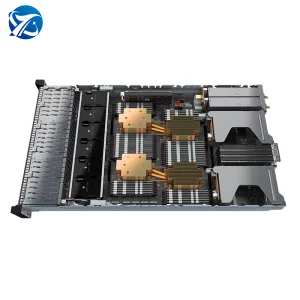
As modern TDPs push past 350W per socket, custom internal cooling shrouds and strategic fan configurations prevent localized thermal throttling. Using advanced wind-tunnel simulations, OEM designs leverage high-airflow fan modules paired with tailored aluminum/copper heatsinks to control temperatures efficiently, saving up to 15% in operational cooling energy.
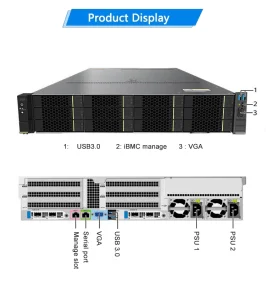
Custom power delivery channels use 80 PLUS Titanium hot-swappable PSUs, supporting 1+1, 2+1, or 2+2 configurations. Advanced PMBus protocols monitor real-time node metrics, which helps reduce carbon footprint and prevents over-current risks in dense computing clusters.
Investigating the technologies shaping tomorrow's computational infrastructure, from deep learning models to advanced liquid cooling.
Large language models like DeepSeek require highly parallel GPU fabrics. Custom OEM systems optimize trace layouts for PCIe switchboards, reducing internal signal delay and maximizing memory throughput to prevent performance bottlenecks.
Traditional air cooling is hitting its physical limits. Custom liquid-cooling plates, direct-to-chip interfaces, and closed-loop setups help maintain low operating temperatures, allowing processors to run at higher speeds for longer periods.
Aligning custom chassis designs with OCP (Open Compute Project) guidelines simplifies data center maintenance. Modular drive-bays, tool-less structural rails, and standardized power connections make scale-out management much simpler.
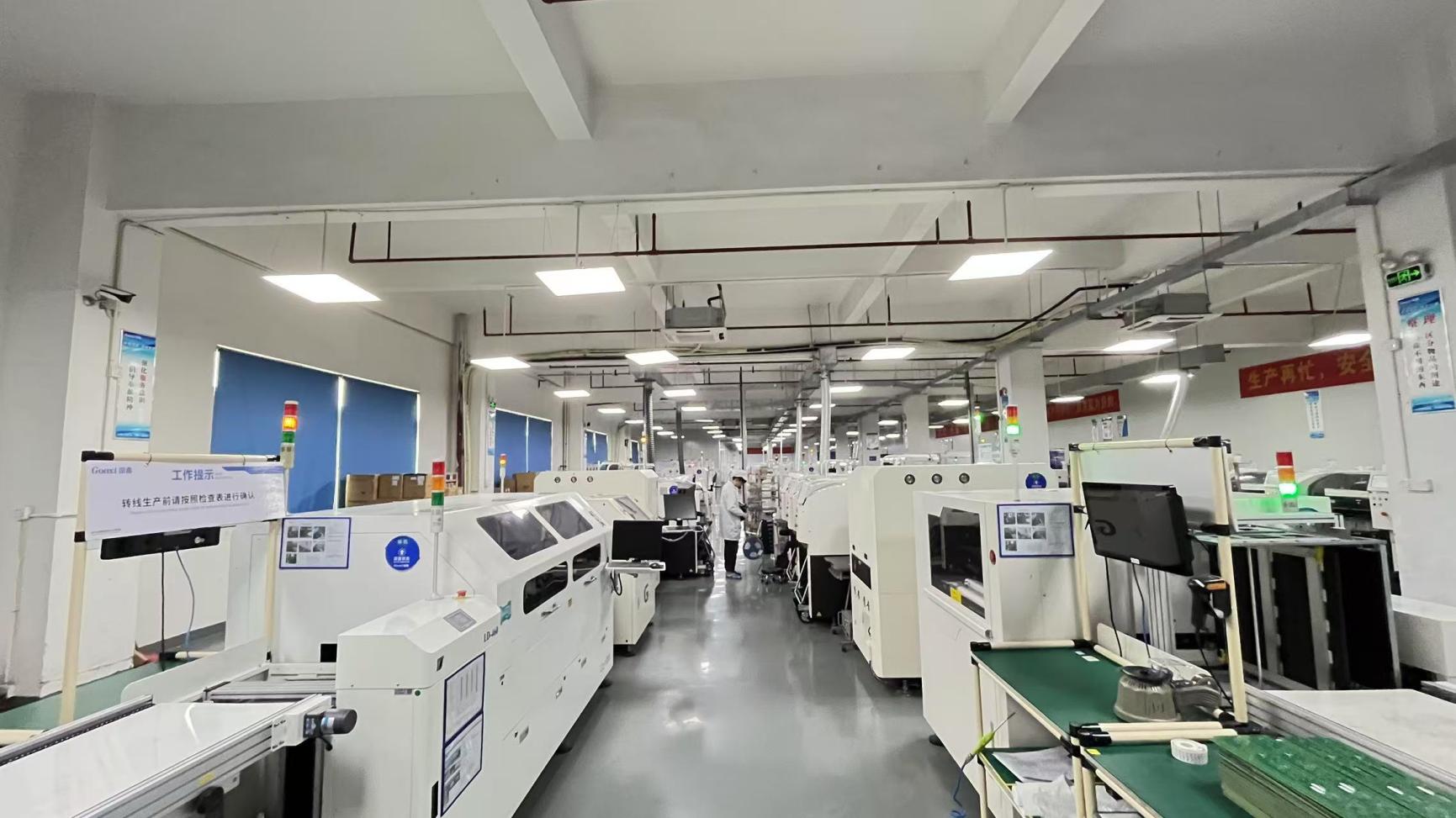
China's industrial hardware clusters provide a major advantage for global server supply chains. With deep supply networks, rapid PCB fabrication (PCBA), and quick structural metal prototyping, Chinese manufacturing hubs can turn custom concepts into functional designs much faster than other regions.
This concentrated ecosystem ensures steady access to essential high-grade components like server power systems, cooling units, customized busbars, and robust server enclosures. Working with established supply chains allows for flexible assembly volumes, helping enterprises scale prototype models into bulk production runs while maintaining predictable lead times.
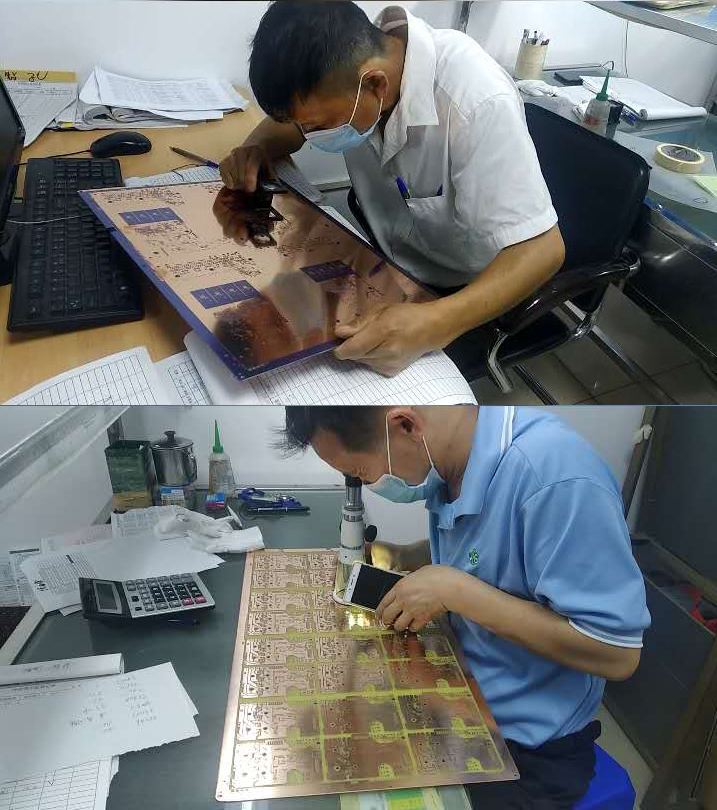
Deploying server hardware globally requires strict adherence to regional regulatory frameworks and safety standards. Custom OEM units must pass rigorous certification tests, including CE, FCC, RoHS, UL, and CCC, ensuring trouble-free integration into international carrier networks and modern hyperscale facilities.
Additionally, modern systems need secure, localized control features. Integrated IPMI 2.0 and Redfish API controllers allow IT teams to manage, diagnose, and update servers remotely. Custom BIOS and secure firmware layouts prevent unauthorized access at the bootloader level, meeting the strict security needs of government, finance, and enterprise operations.
How customized systems are designed and optimized for specific data workloads and environments.
These configurations use high-density 2U and 4U chassis that support high-capacity SAS/NVMe drives. Optimized backplanes provide reliable high-speed data pathways, making them ideal for high-throughput NAS and distributed software-defined storage.
Designed for space-constrained edge locations, these short-depth chassis offer dust filtering, wider operating temperature tolerances, and flexible mounting options, making them perfect for telecommunication hubs and industrial environments.
Built with dedicated PCIe lanes, beefy power connections, and dual-socket CPU boards, these systems are designed to feed continuous data streams to high-power GPU cards without latency bottlenecks.
A specialized high-performance infrastructure provider designing next-generation computational clusters.

Established in 2016, Klyvora Node Technologies Ltd. is a high-performance computing infrastructure manufacturer specializing in AI GPU server systems, scalable compute clusters, and enterprise-grade data center solutions. Operating a modern production facility supporting integrated R&D, assembly, testing, and quality control operations, Klyvora provides highly customizable compute infrastructure designed to handle complex server demands.
With an annual export revenue ranging between USD 8 million and USD 22 million, backed by over 6 years of direct export experience and 11 years of advanced industry expertise, Klyvora serves major technology markets across North America, Europe, the Middle East, and Southeast Asia.
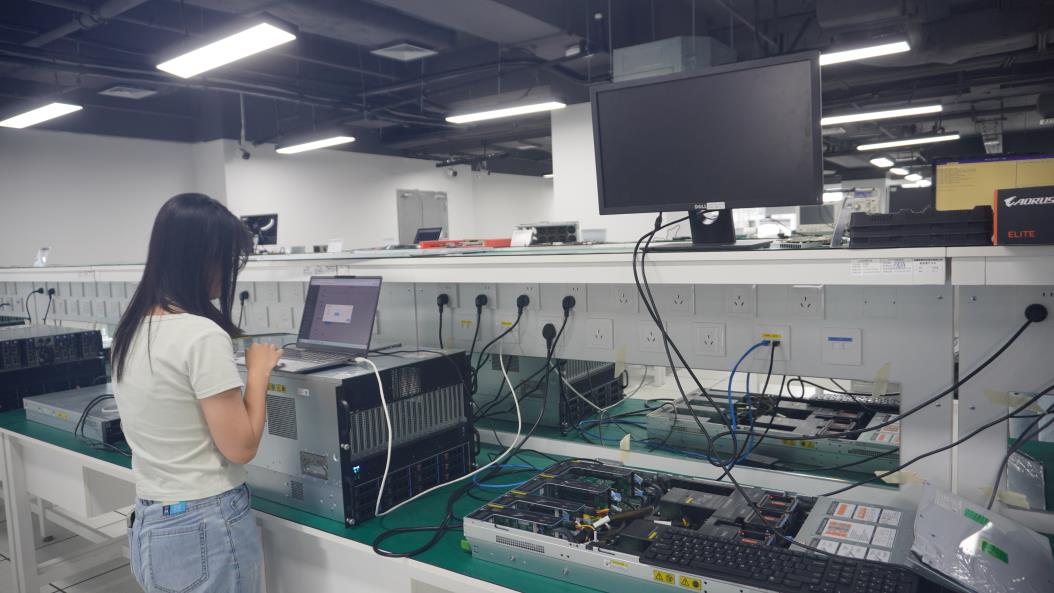
Quality assurance is at the core of the company's manufacturing workflow. The structured testing system combines automated diagnostics, thermal stress testing, and complete system verification. Managed by a dedicated QA team of 42 professionals, Klyvora ensures every rack system meets strict international reliability standards before shipment.
Klyvora supports a robust network of over 860 supply chain partners, ensuring a reliable supply of premium components, including custom processors, server motherboards, efficient power delivery systems, and thermal parts. Its primary clients include research institutions, public cloud providers, and enterprise data centers requiring specialized setups.
The company maintains strong R&D capabilities with a team of around 180 engineers focused on GPU server architecture optimization, liquid cooling innovation, and AI workload acceleration. This engineering depth allows Klyvora to offer extensive customization options, including unique chassis designs, custom thermal layouts, high-density GPU configurations, and firmware tuning.
Demonstrating its commitment to innovation, Klyvora has launched approximately 86 new products over the past year, constantly expanding its range of high-performance computing and enterprise-grade infrastructure systems.
Answering key architectural and logistics questions for enterprise IT buyers and system integrators.