Klyvora
Engineered for immediate deployment across enterprise data centers, AI deep learning clusters, and high-availability virtualization fabrics.
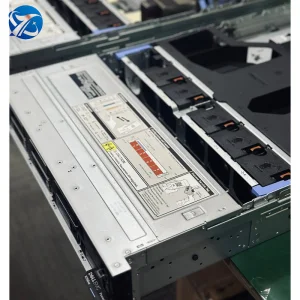

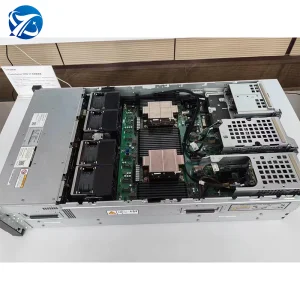
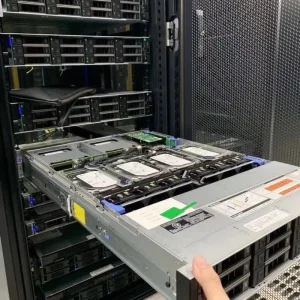
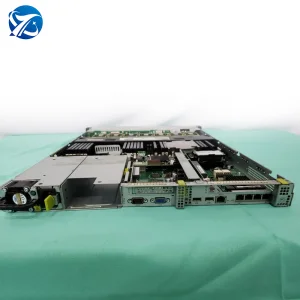
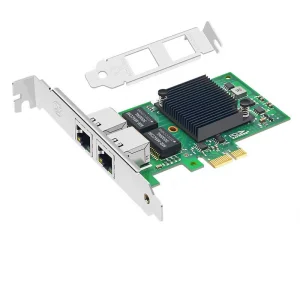
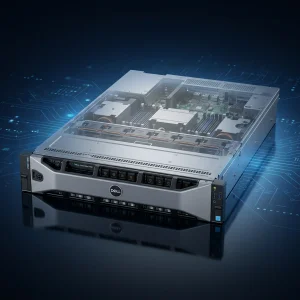
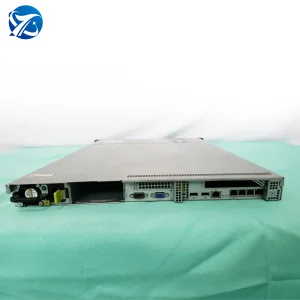
Unifying compute, storage, networking, and high-density GPU acceleration into single-pane software-defined data center nodes.
Eliminating traditional SAN/NAS silos by abstracting compute virtualization (VMware ESXi, Nutanix AHV, Proxmox VE) and distributed NVMe storage fabrics into elastic, auto-healing clusters.
Modern HCI architectures integrate PCIe Gen5 topologies and Direct GPU-to-GPU interconnects (NVLink/RoCE v2) to run large language model inference (DeepSeek-R1, Llama-3) alongside standard enterprise ERP workloads.
Transitioning from conventional air forced cooling to direct-to-chip (D2C) liquid cold plates, enabling energy-efficient thermal dissipation for dual 350W+ TDP Xeon/EPYC CPUs and multi-400W GPU acceleration modules.
A Comprehensive Evaluation of Supply Chain Agility, Custom ODM/OEM Systems, and Enterprise Hardware Architecture.
Over the past decade, global cloud service providers, financial institutions, and telecommunication giants have restructured their server procurement strategies. As data centers shift from monolithic mainframe architectures to hyper-converged infrastructures (HCI), China has emerged as the premier manufacturing powerhouse for software-defined hardware nodes. Utilizing advanced industrial clusters concentrated in Shenzhen, Dongguan, and the Greater Bay Area, Chinese HCI factories deliver world-class hardware reliability paired with unmatched supply chain flexibility.
Hyper-Converged Infrastructure collapses traditional three-tier IT architectures—consisting of separate compute servers, dedicated SAN storage networks, and complex storage arrays—into unified 1U, 2U, or 4U server nodes. By integrating high-speed PCIe Gen5 NVMe arrays, multi-socket Intel Xeon Scalable or AMD EPYC processors, and hardware-accelerated NICs, Chinese factories produce nodes capable of delivering millions of IOPS with sub-millisecond latencies.
The core advantage of China's HCI exporter ecosystem lies in the immediate physical proximity to tier-1 component suppliers. Modern hyper-converged nodes demand precise hardware compatibility between CPUs, server-grade motherboards, memory channels, high-efficiency power supply units (PSUs), and thermal management modules. Within a 50-kilometer radius in Guangdong province, manufacturers directly source:
Exemplifying high-precision enterprise manufacturing, Klyvora Node Technologies Ltd. stands as an industry benchmark in high-performance computing (HPC) infrastructure and AI GPU server systems. Established in 2016, the enterprise operates an advanced specialized production facility with an integrated footprint supporting R&D, precision assembly, stress testing, and stringent quality assurance operations.
Backed by over 11 years of deep industry expertise and 6+ years of international export leadership, Klyvora records annual export revenues ranging between USD 8 million and USD 22 million across key hyperscale markets including North America, Europe, the Middle East, and Southeast Asia.
The company maintains a rigorous quality assurance protocol that integrates multi-stage automated optical inspection (AOI), full-load thermal chamber burn-in testing, and system-level hardware diagnostics. Klyvora’s dedicated quality control division, comprising approximately 42 certified engineers, mandates strict adherence to international standardizations (ISO9001, CE, FCC, RoHS).
Furthermore, Klyvora leverages an expansive tier-1 supplier network spanning over 860 verified component partners. This supply chain stability guarantees continuous access to server-grade motherboards, high-density enterprise GPUs, ECC DDR5 RAM modules, and enterprise storage drives. Klyvora’s R&D team of 180+ engineers continuously pushes the boundaries of GPU server density, custom chassis aerodynamics, and low-level BIOS/firmware tuning. Over the past year alone, Klyvora has engineered and commercialized approximately 86 new enterprise-grade computing products.
Enterprise buyers operating in regulated sectors—such as banking, healthcare, and telecommunications—require localized compliance protocols and hardware root-of-trust capabilities. Leading Chinese HCI exporters provide comprehensive localization services:
As corporate IT departments prepare for 2026 and beyond, several core trends dictate HCI purchasing behaviors:
Convergence of AI Workloads and Storage Fabrics: Modern HCI nodes are no longer limited to basic virtual machine hosting. With the rapid deployment of open-weights LLMs like DeepSeek-R1, enterprises require HCI nodes equipped with dual-socket CPUs and 4-to-8 GPU expansion slots. This enables localized fine-tuning and retrieval-augmented generation (RAG) directly on enterprise storage pools.
Liquid-to-Air Hybrid Infrastructure: To avoid expensive data center retrofits, hybrid liquid-assisted server racks allow enterprise clusters to operate high-wattage hardware inside conventional air-cooled server rooms without risking thermal throttling.
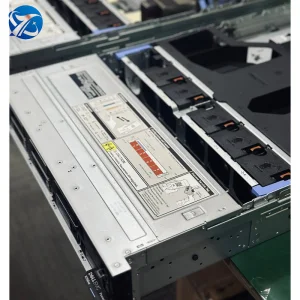
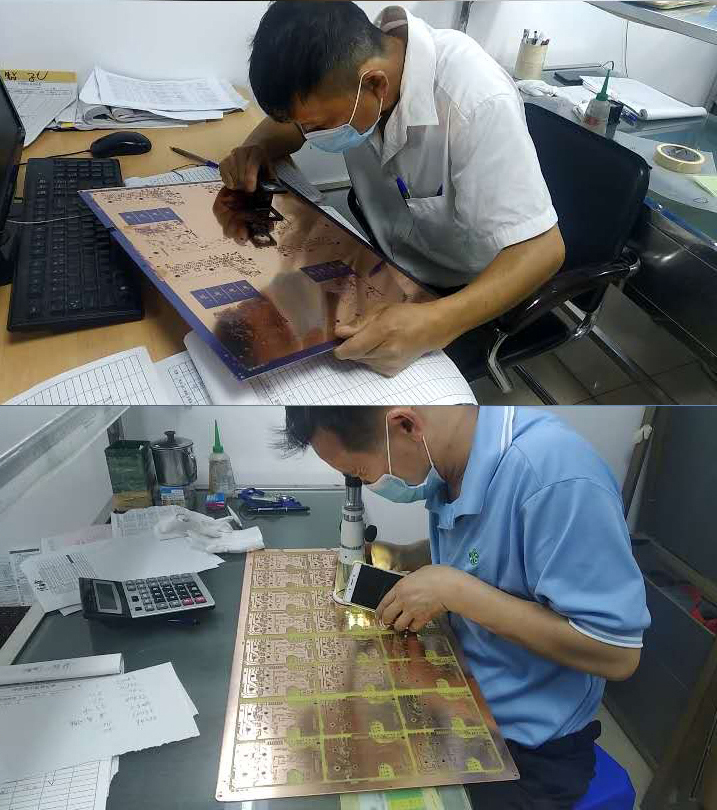
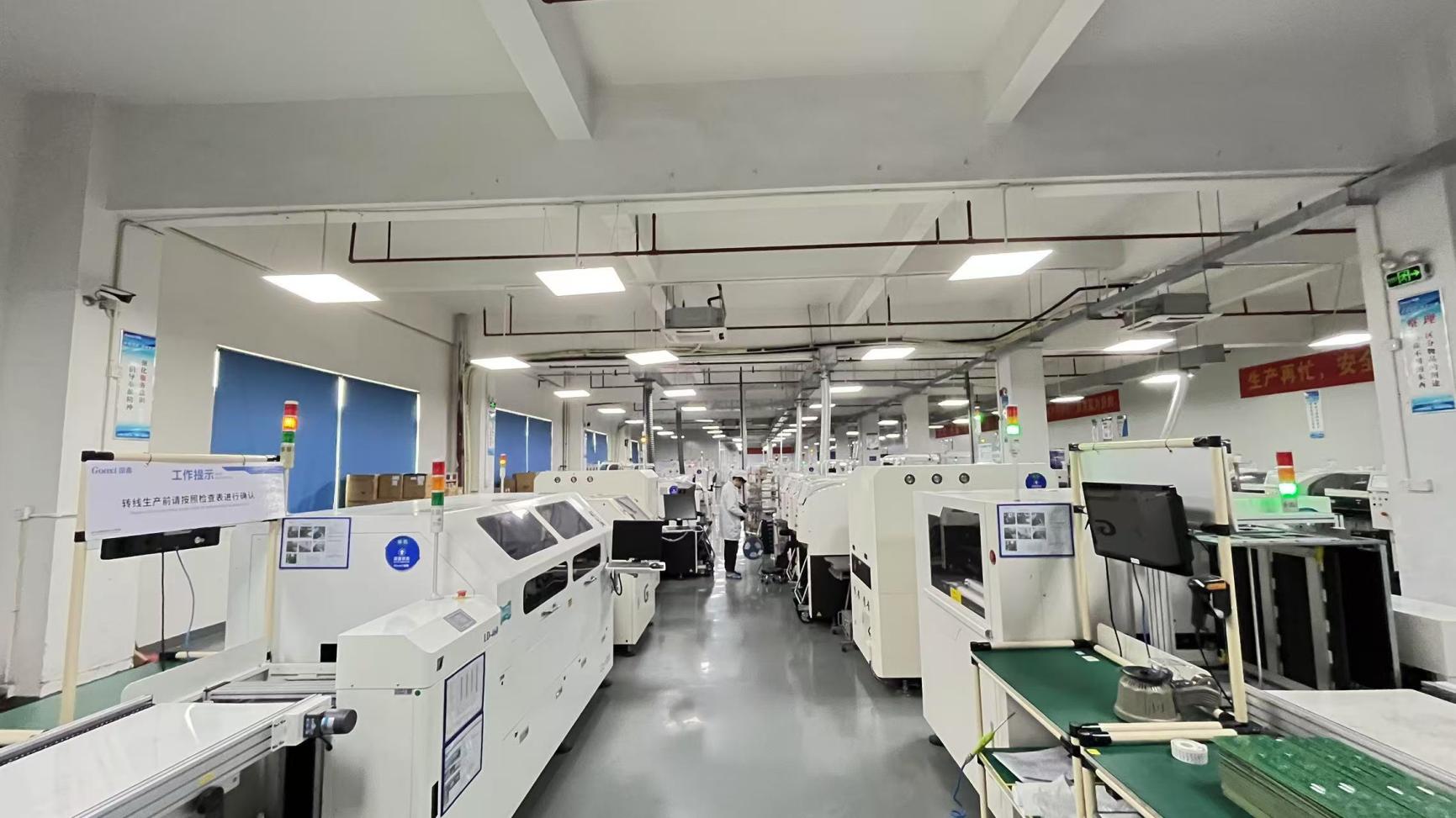
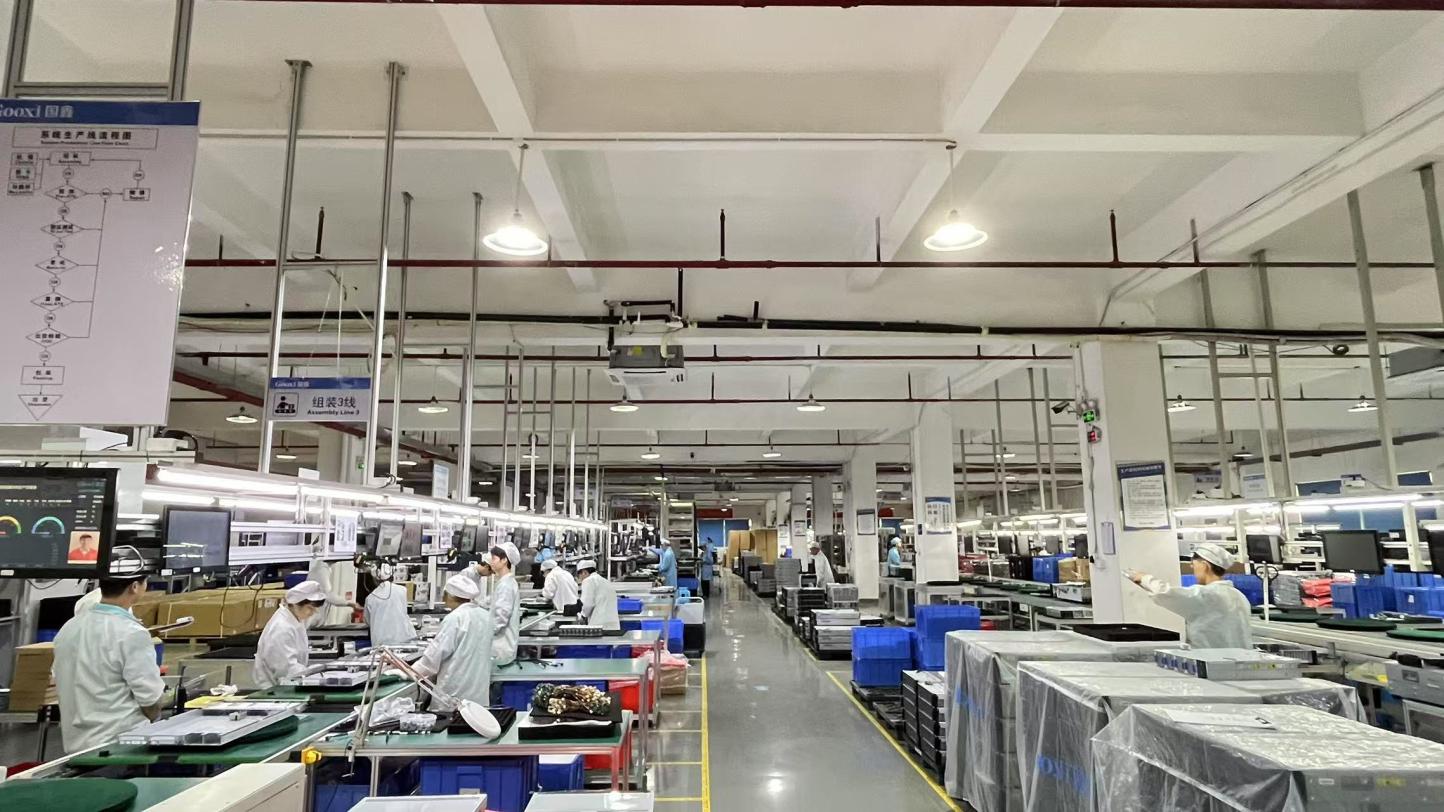
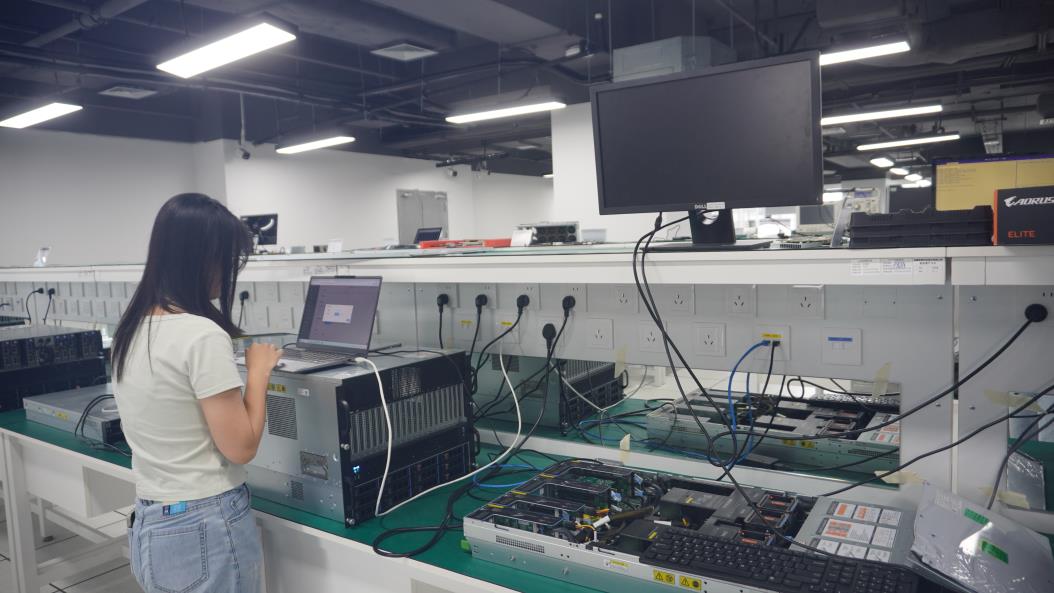
Inside Klyvora Node Technologies Ltd.'s specialized assembly lines, thermal testing chambers, and full-system burn-in testing environment.
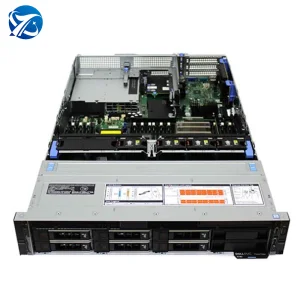
Validated configurations optimized for ultra-low latency, mission-critical reliability, and high parallel compute demands.
Deploy localized, secure Large Language Models (LLMs) like DeepSeek without data leakage. HCI nodes combine high NVMe throughput with multi-GPU compute, allowing instant querying across internal document repositories.
Support thousands of concurrent Virtual Desktop Infrastructure (VDI) user sessions with strict zero-downtime SLAs. High IOPS sub-millisecond storage guarantees rapid database transactions for core banking applications.
Ruggedized short-depth server chassis built for factory floors, remote telecom stations, and energy grids. Process computer vision telemetry at the edge while replicating key analytical metrics to the central cloud.
Multi-tenant public and hybrid cloud environments requiring dynamic resource allocation. Seamlessly scale-out by introducing additional 1U/2U compute and storage nodes without disrupting active user sessions.
Addressing technical specs, custom OEM capabilities, international shipping compliance, and system compatibility.
Our HCI server nodes are built on open x86 architecture and fully validated for VMware vSphere/vSAN, Nutanix AHV, Proxmox VE, OpenStack, Microsoft Hyper-V, and Linux KVM environments. System firmware (BIOS/IPMI) undergoes thorough driver-level testing to ensure seamless plug-and-play operation.
Klyvora Node Technologies provides end-to-end ODM/OEM capabilities. Our R&D engineering team of 180+ professionals assists with custom sheet metal chassis design (1U, 2U, 4U, short-depth), custom backplane development, silk-screen brand printing, custom BIOS splash screens, and pre-configured hardware raid settings.
Every system undergoes a rigorous multi-tier testing pipeline: 100% automated optical inspection (AOI) on PCB components, followed by a mandatory 24-to-72-hour continuous thermal stress burn-in test inside climate chambers. We run full-system diagnostic suites checking CPU, GPU, memory ECC errors, and NVMe IOPS stability under 100% simulated load.
Standard off-the-shelf configurations ship within 5 to 7 business days. Custom OEM orders typically require 2 to 4 weeks depending on component specifications. We support global delivery via air, sea, and express door-to-door freight (DDP/DAP/FOB) with full export documentation, UN38.3 battery certifications, and international compliance paperwork.
Yes. We maintain centralized spare parts hubs and provide advance hardware replacement (AHR) options for international clients. Backup power modules, drive trays, NICs, and memory kits are dispatched via priority express logistics to minimize system downtime.
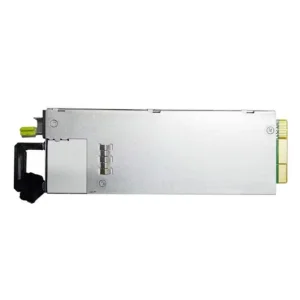
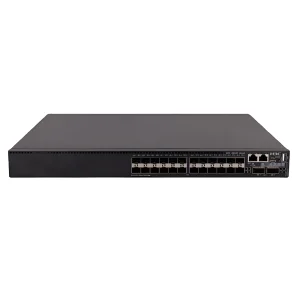
Complete your software-defined cluster with high-speed optical switches, enterprise power modules, and specialized GPU compute units.