Klyvora
Klyvora
Klyvora
Premium 1U and 2U rack server modules engineered for rapid scale-out applications across Victoria's enterprise networks.


Melbourne has rapidly emerged as a critical technological hub in the Southern Hemisphere. Major data center corridors located in Melbourne's western suburbs (such as Derrimut and Truganina) and the southeastern tech clusters are expanding at an unprecedented rate. This growth is driven by local cloud migration policies, financial services demands, and advanced AI research conducted at world-class institutions like the University of Melbourne and Monash University.
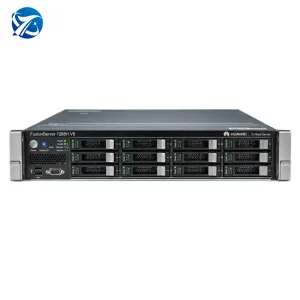
To sustain these high-density workloads, infrastructure architects are increasingly relying on V5 Rack Server Architectures. These units serve as the backbone for scalable hyper-converged systems, allowing local businesses to leverage outstanding storage throughput, memory density, and low-latency network interface options. The dual-socket configuration of V5 processors bridges the gap between traditional enterprise virtualization and highly parallelized AI training pipelines.
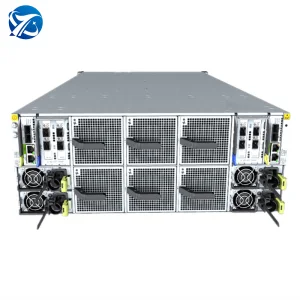
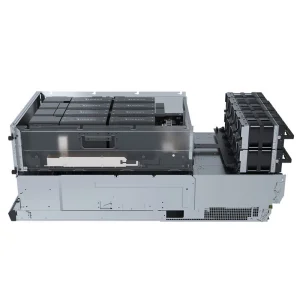
The FusionServer and xFusion V5 lineages represent a milestone in hardware density. With configurations supporting up to 24 DDR4 DIMM slots, flexible SAS/SATA/NVMe storage options, and redundant Platinum-efficiency power supplies, these platforms optimize computing operations. The server architectures are engineered to support intensive analytical databases, enterprise-level ERP solutions, and remote VDI deployments without thermal throttling, even in Melbourne’s hot summer peak temperatures.
Klyvora Node Technologies Ltd. (Est. 2016) delivers scalable compute systems and AI-accelerated high-performance hardware globally.
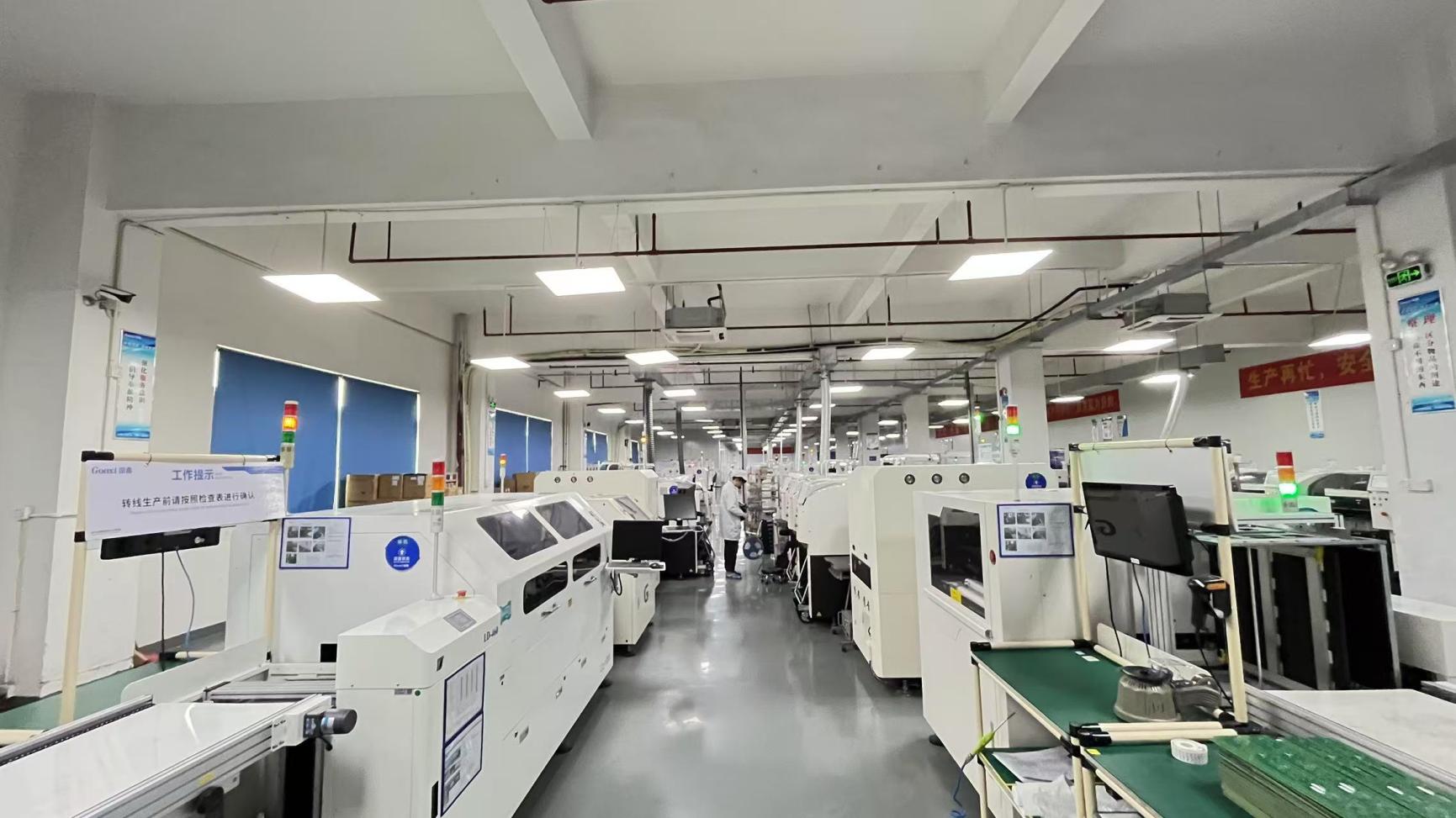
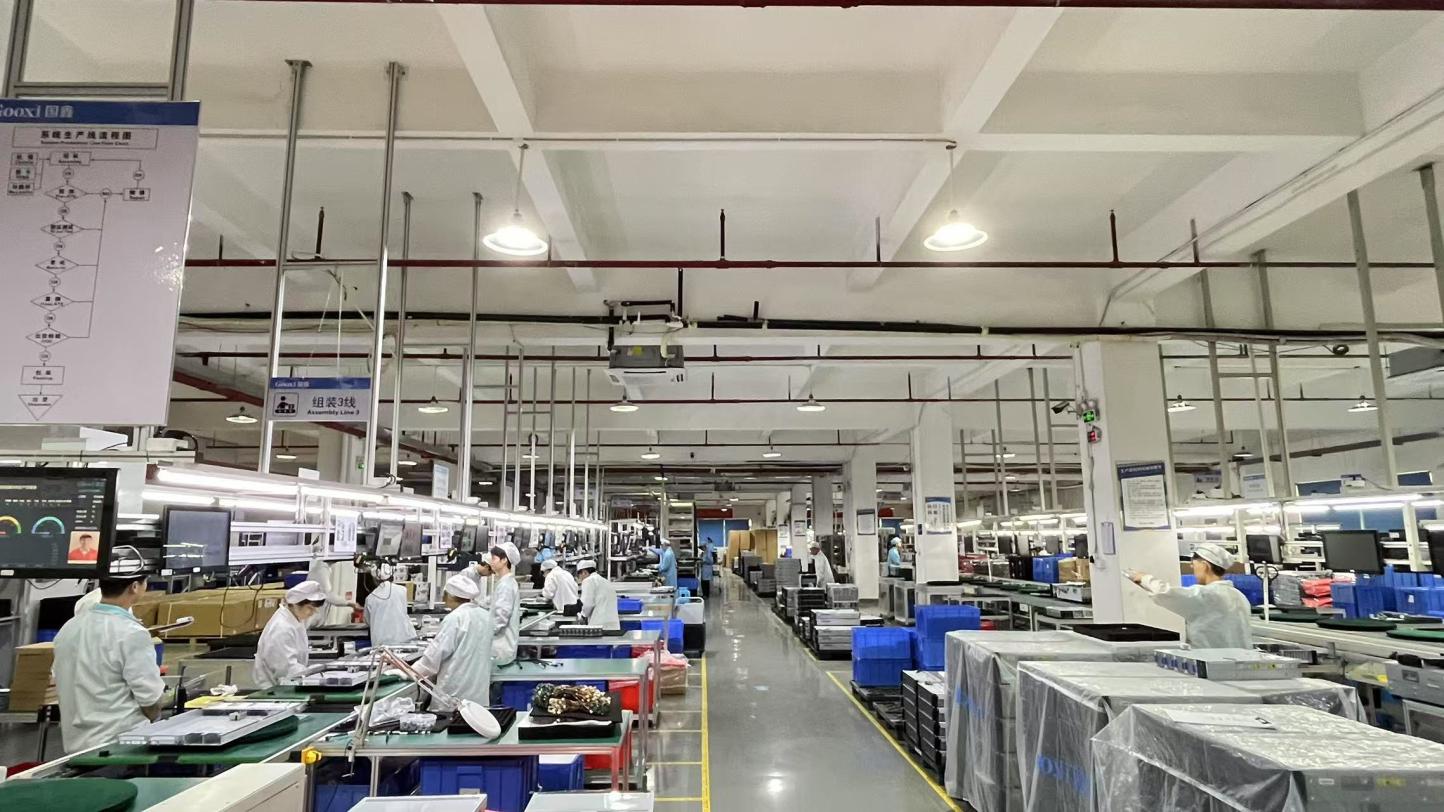
Klyvora Node Technologies Ltd. is a high-performance computing infrastructure manufacturer specializing in AI GPU server systems, scalable compute clusters, and enterprise-grade data center solutions. Established in 2016, the company operates a modern production facility with a total building area of approximately 320㎡, supporting integrated R&D, assembly, testing, and quality control operations.
The company reports annual export revenue ranging between USD 8 million and USD 22 million, with over 6 years of export experience and 11 years of accumulated industry expertise in advanced computing hardware and system integration. Klyvora maintains a strong international trade background and serves major markets including North America, Europe, the Middle East, and Southeast Asia.
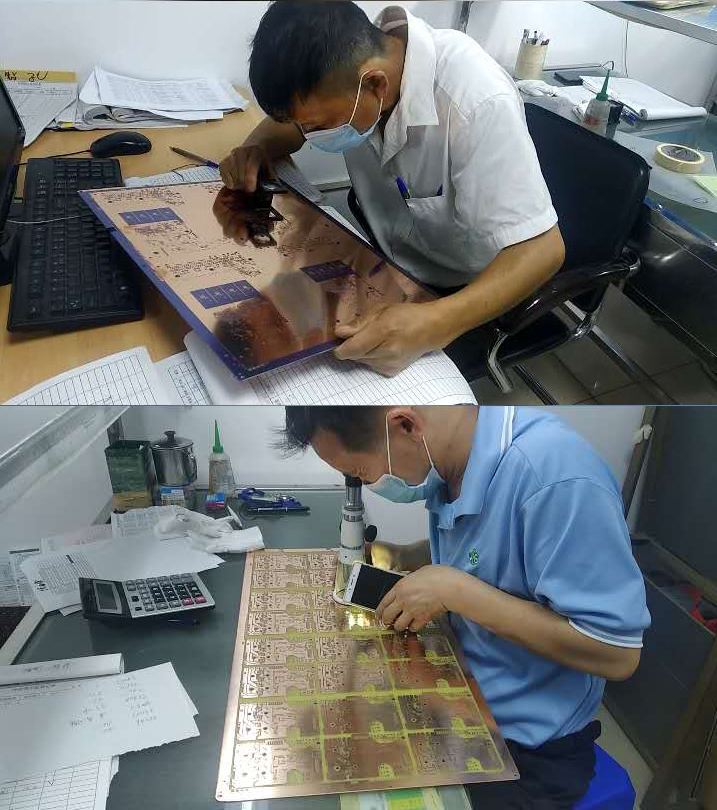
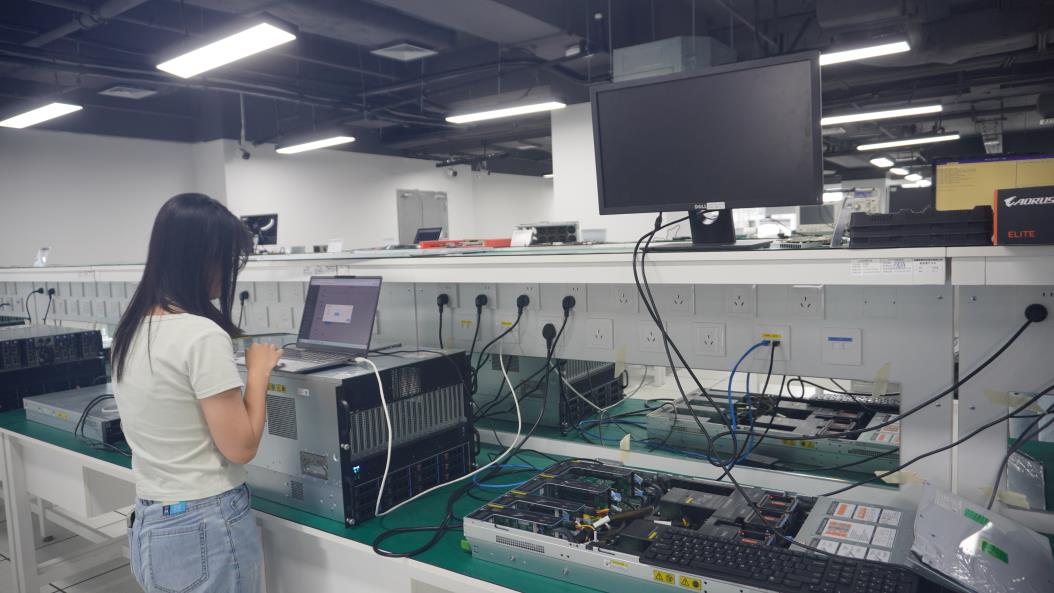
Klyvora Node Technologies employs a structured quality assurance system, combining automated testing methods, burn-in stress testing, and full-system validation procedures. Product inspection methods include thermal performance testing, hardware stress diagnostics, and multi-stage functional verification. The quality control team consists of approximately 42 dedicated professionals ensuring strict compliance with international manufacturing standards.
Operating computational nodes in Melbourne requires compliance with strict Australasian electrical and safety parameters.
All exported V5 nodes are tested to meet the Regulatory Compliance Mark (RCM) criteria. This includes electromagnetic compatibility (EMC) regulations matching AS/NZS CISPR 32 standards to safeguard surrounding networking equipment.
Victoria's energy transition places high importance on power efficiency. The V5 servers utilize dynamic energy management technologies (DEMT), lowering idle power footprint and maintaining low PUE values in local data farms.
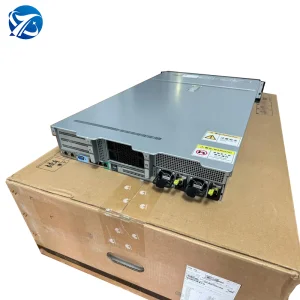
Through our localized logistics channel networks in Melbourne, clients can request optional next-business-day (NBD) spare parts delivery. This guarantees replacement of hot-swap PSUs and storage options without workflow disruption.
Scalable, dual and quad-socket servers custom-tailored for high-density computing clusters and enterprise database workloads.
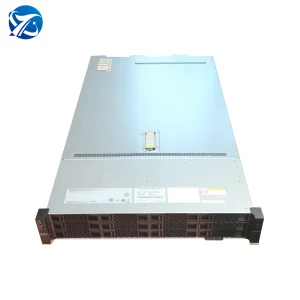
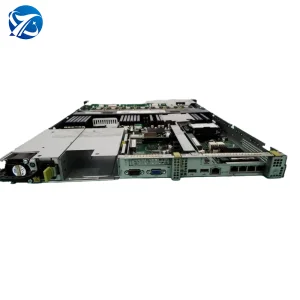
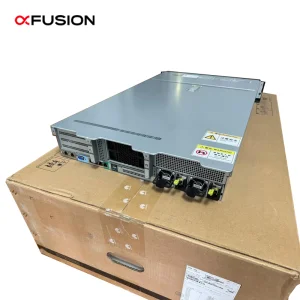
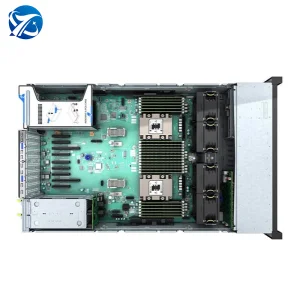
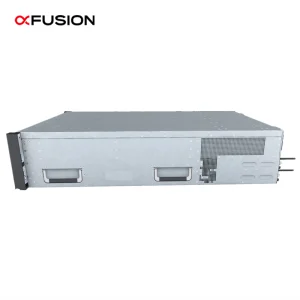
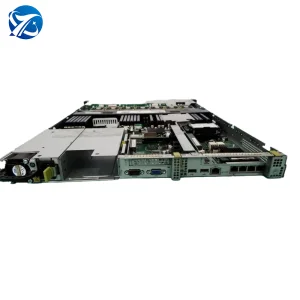
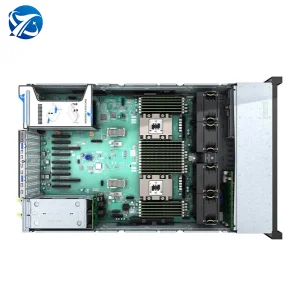
Further computing options including 4-socket processing power, specific database architectures, and next-generation storage servers.
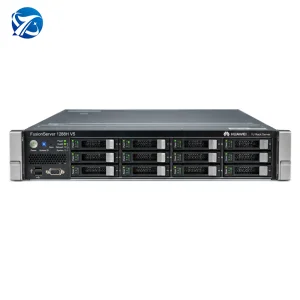
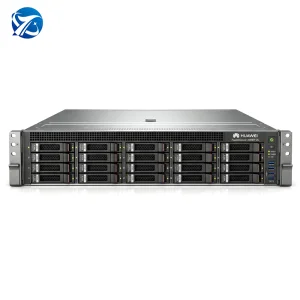
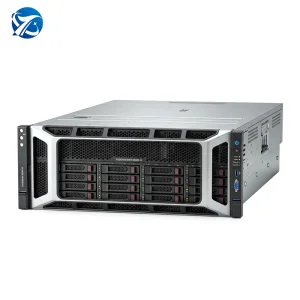
As computational models evolve, workloads like DeepSeek, GPT architectures, and smart-city video pipelines require massive floating-point operations. The physical transition from classical V5 platforms to next-generation systems like the FusionServer V7 represents a paradigm shift in performance density.
The core difference lies in the introduction of PCIe Gen 5 integration, high-bandwidth compute networks (such as InfiniBand HDR/NDR), and Direct-to-Chip Liquid Cooling technology. This roadmap ensures that high-power GPUs can run constantly without thermal degradation, lowering energy draw and supporting Melbourne data centers to meet the strict carbon-neutral targets defined by the Victorian Government.
In-depth technical answers regarding engineering layouts, customization choices, and Melbourne regional shipping logistics.