Klyvora
Klyvora
Klyvora
Premium server builds and ultra-fast high-density storage drives deployed in local Osaka high-frequency trading (HFT) and cloud infrastructure architectures.
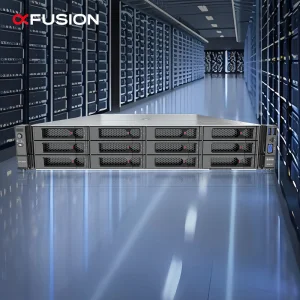
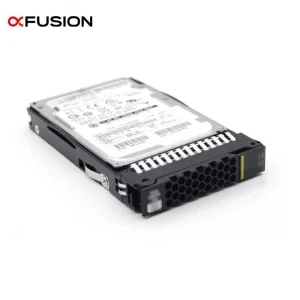
The Osaka metropolitan region, particularly the Keihanshin metropolitan area, is rapidly establishing itself as the primary alternative datacenter cluster in East Asia. As enterprises seek geo-redundancy away from Tokyo’s seismic fault lines, Osaka Bay and the Namba tech hubs have observed a massive migration of cloud nodes, high-frequency trading (HFT) platforms, and AI inference engines. Consequently, the demand for enterprise-grade, low-latency, and high-reliability Server RAM (including DDR4 and DDR5 ECC RDIMMs) has reached unprecedented levels.
For modern datacenters, memory architecture is not merely a component; it defines total performance capability and systems integrity. High-density RAM configures directly affect machine VM densities, AI computational throughput, and processing latencies. Our analysis highlights that while Japan hosts some of the world's most sophisticated tech integration firms, the cost-effective global manufacturing center remains heavily anchored in advanced Chinese semiconductor hubs. Bridging the gap between China’s agile manufacturing infrastructure and Japan’s strict quality assurance standards is key to maintaining system reliability without experiencing prohibitive cost inflation.
Procuring server-grade memory directly from high-reliability manufacturing partners in China enables substantial TCO (Total Cost of Ownership) optimization. Chinese factories integrate raw DRAM die component validation directly with automated, multi-tiered testing loops, maintaining a margin-efficient pipeline that reduces costs by 30-40% compared to local distributor chains inside Japan.
The architectural requirements of enterprise server rooms in the Kansai area are transitioning rapidly. In standard configurations (such as standard xFusion FusionServer and Dell PowerEdge installations), memory throughput determines the overall computational performance of Intel Xeon Scalable or AMD EPYC architectures.
As a global high-performance computing manufacturer, Klyvora Node Technologies Ltd. coordinates this production pipeline. Through a modern 320㎡ facility, Klyvora specializes in high-density computer system builds, offering high-efficiency memory configurations and GPU rack platforms designed to align with strict hardware parameters.
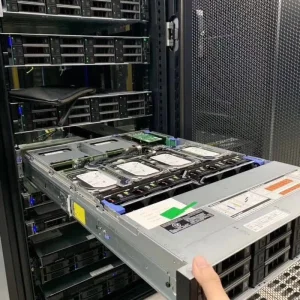
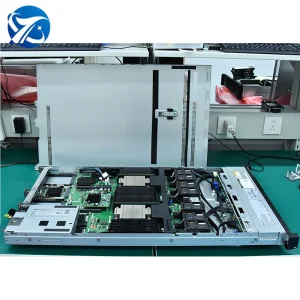
Klyvora supports system engineering operations by utilizing advanced diagnostic arrays. Before any module is bundled into server nodes (such as the HPE DL360 Gen11 or xFusion V7 chassis configurations), it undergoes intense validation processes. These procedures include elevated-temperature burn-in testing, signal margin diagnostics, and complete motherboard compatibility testing, ensuring that hardware delivered to the Japanese market satisfies the standard requirements of local enterprise customers.
Take a look inside Klyvora's advanced computing integration and memory validation operations, showing our dedication to zero-defect manufacturing standards.
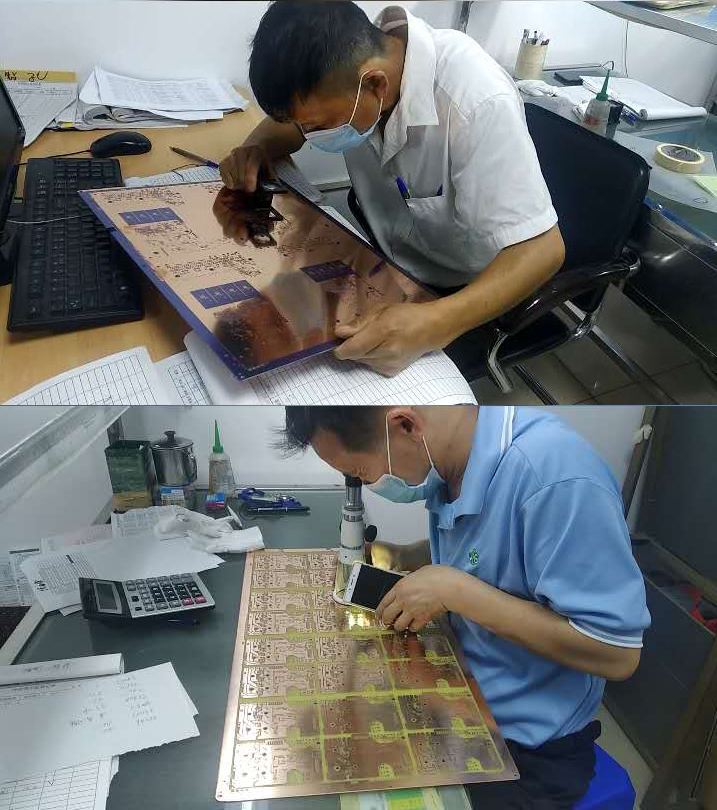
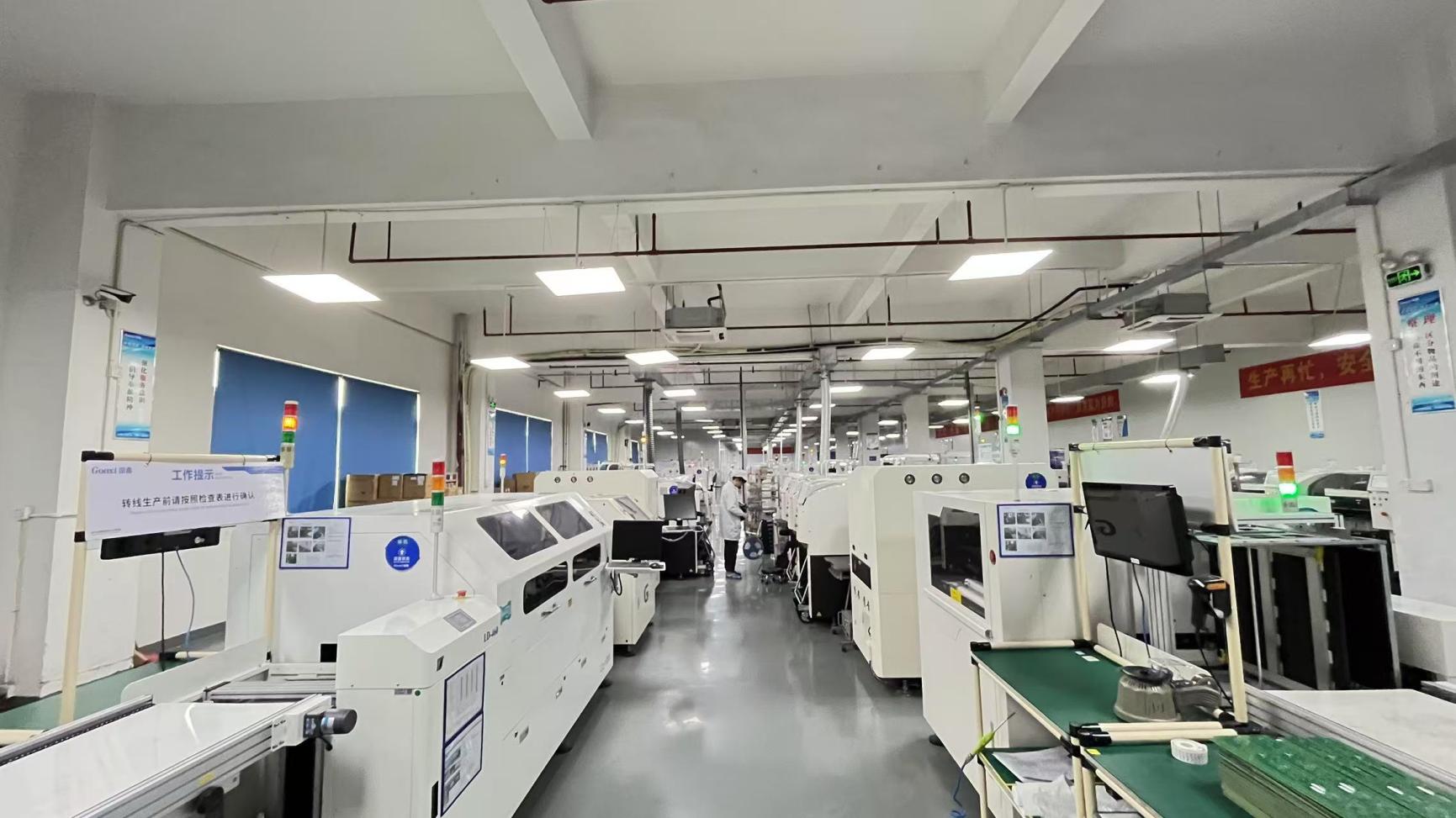
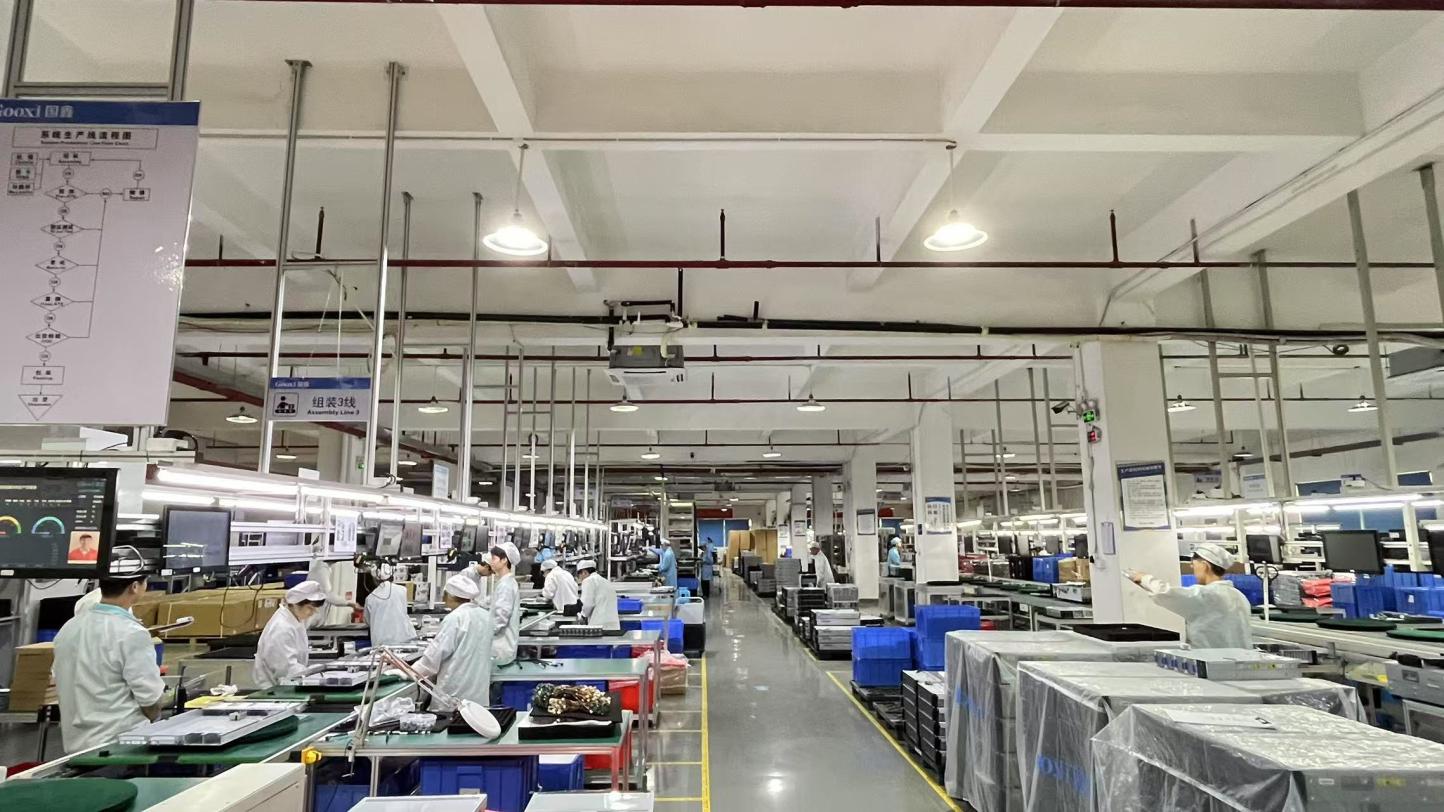
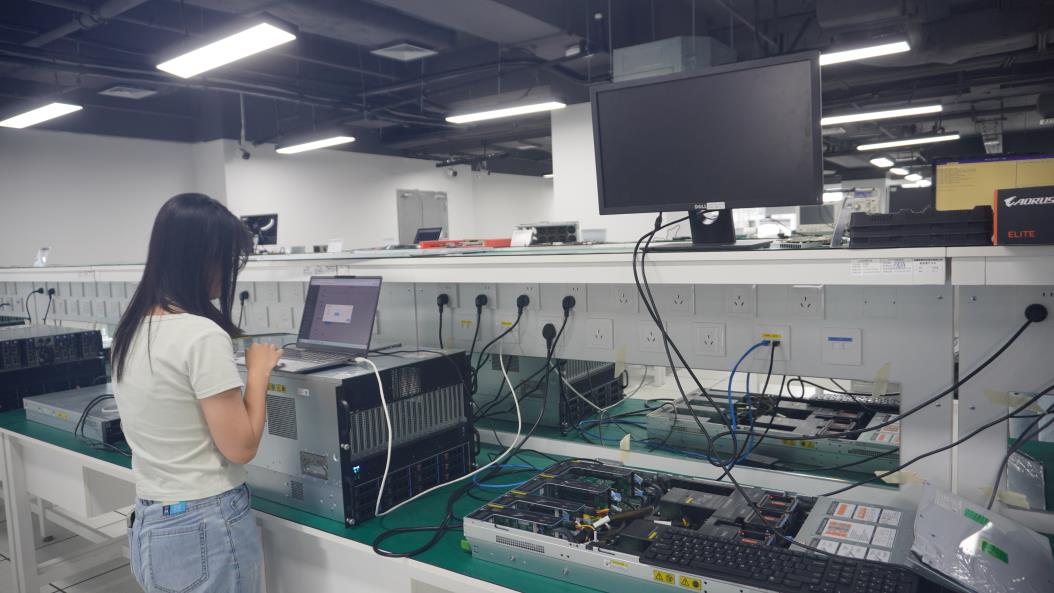
Empirical proof of our global supply capability, manufacturing scale, and engineering commitment to advanced computer server technologies.
Developing customized compute and high-density RAM architectures aligned with standard enterprise applications in Western Japan.
Providing ultra-low latency RAM configurations tailored for financial enterprises near the Osaka Exchange (OSE), featuring custom JEDEC profiles for improved transaction execution speeds.
Co-designing dense server layouts using multi-channel DDR5 layouts to prevent performance bottlenecks on GPU-to-CPU system pipelines during complex DeepSeek and AI training operations.
Configuring high-density systems utilizing registered DIMMs to scale VM execution performance across enterprise cloud environments in the Sakishima and Osaka Bay hub zones.
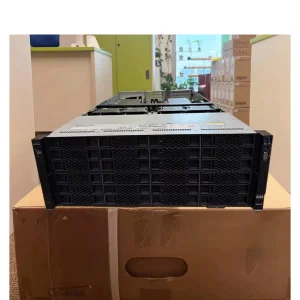
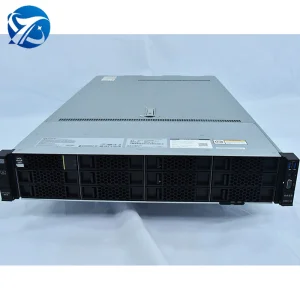
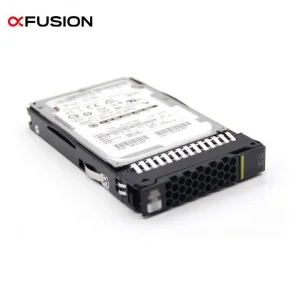
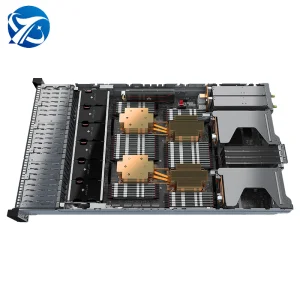
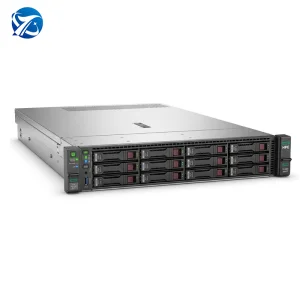
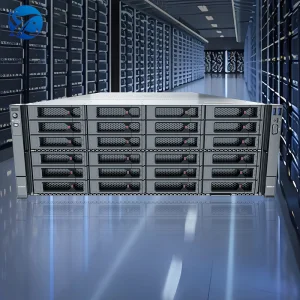
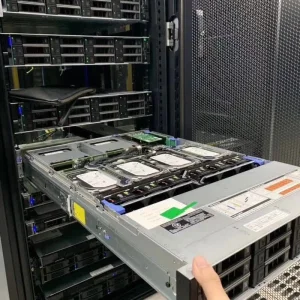
Premium server systems, solid-state storage configurations, and computing rack systems optimized for reliable deployment within global data networks.

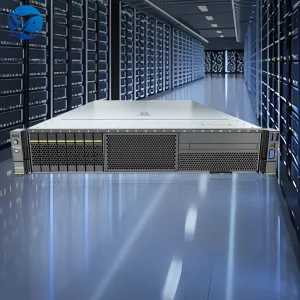
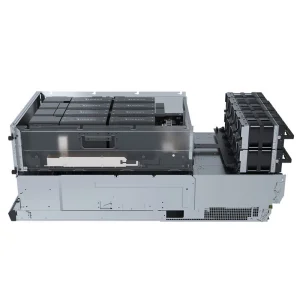
Answers to common B2B technical queries regarding server-grade memory sourcing and integration for the Japanese datacenter market.