Klyvora
Klyvora
Klyvora
Featuring custom architectures engineered for low latency, dense VM environments, and Germany-compliant enterprise standard profiles.
Mapping out the requirements of Germany's data centers, from strict energy regulations to low-latency edge deployments.
Germany represents Europe’s largest digital infrastructure hub, anchored by the massive density of Frankfurt’s carrier-neutral campuses and the world's leading Internet Exchange, DE-CIX. The demand for server RAM factories to supply high-reliability modules (LRDIMMs and RDIMMs) has accelerated due to regionalized cloud zones in Frankfurt, Munich, Berlin, and Hamburg.
German industrial systems (such as automotive automation and Smart Factory IoT nodes) rely heavily on server configurations featuring fault-tolerant ECC memory. As regional data centers expand to support Industry 4.0, hardware providers must guarantee low memory-channel failure rates to secure continuous high-availability service agreements.
The implementation of Germany's recent Energieeffizienzgesetz (EnEfG) sets stringent standards on power usage effectiveness (PUE) and energy consumption targets for data centers. In response, local system integrators are actively transitioning from legacy DDR4 platforms running at 1.2V to energy-efficient DDR5 architectures, operating at a base voltage of 1.1V.
By utilizing high-performance server configurations equipped with JEDEC-compliant low-power modules, datacenter operators can achieve significant reductions in parasitic thermal dissipation. This design choice directly decreases cooling overhead, aligning infrastructure with strict national carbon neutrality pathways.
From JEDEC DDR5 specifications to Compute Express Link (CXL) configurations—a deep dive into performance metrics.
With the transition of CPU architectures to platforms like AMD EPYC Genoa/Bergamo and Intel Sapphire Rapids/Emerald Rapids, Server RAM technology has progressed fundamentally. Unlike DDR4, which delegates power management to the motherboard, DDR5 implements an on-module Power Management Integrated Circuit (PMIC). This allows for precise voltage control, minimizing noise and improving signal integrity at speeds above 4800 MT/s.
Furthermore, DDR5 divides a single 64-bit data bus into two independent 32-bit sub-channels, resulting in higher command-address efficiency. Combined with system architectures that integrate multiple memory channels (up to 12 channels per CPU socket), memory throughput is boosted for dense virtualization, SAP HANA databases, and massive AI pipeline datasets.
Beyond traditional DIMM formats, Compute Express Link (CXL) represents the future roadmap for German enterprise setups. CXL allows servers to access pooled external memory resources over PCIe Gen 5 lanes with minimal latency. This technology effectively resolves "memory strangulation" in HPC configurations by decoupling compute power from physical DIMM slots.
To secure sensitive enterprise datasets, our solutions support integrated physical layer security, including AMD's Secure Memory Encryption (SME) and Intel's Total Memory Encryption (TME). These protocols defend against hardware-level cold-boot attacks in multi-tenant cloud setups.
Engineered to support the digital workflows of Germany’s leading economic sectors.
For cloud providers in Frankfurt, we deliver high-density computing platforms configured with maximum RDIMM memory capacities. This enables higher virtual machine (VM) consolidation ratios per node, lowering physical footprint costs while maintaining structural performance margins under sudden traffic spikes.
Germany’s automotive manufacturers rely heavily on large-scale CFD (Computational Fluid Dynamics) and crash-test simulations. Our GPU compute servers and matched memory profiles support high memory bandwidth configurations, accelerating complex simulation routines and reducing engineering design cycles.
For low-latency trading and analytics applications near Frankfurt's exchanges, we provide tailored hardware platforms featuring optimized memory registers. These systems are designed to minimize latency variability, ensuring predictable execution speeds during peak market volumes.
Strict alignment with European industrial norms, trade directives, and ESG mandates.
All computing hardware and memory elements exported to Germany carry official CE markings and conform to the RoHS Directive. This restricts hazardous materials in electrical components, ensuring safe integration and recycling paths.
We align with Germany's ElektroG (implementation of WEEE directive). We provide structured end-of-life options for server hardware, ensuring decommissioned memory arrays and servers are recycled responsibly.
We support our German customers’ compliance with the Lieferkettensorgfaltspflichtengesetz (LkSG). Our manufacturing workflows guarantee human rights compliance, environmental protection, and raw-material traceability.
Procuring hardware internationally requires predictable and fast logistics pipelines. To support Germany's industrial systems, we offer customized replacement plans and localized logistics services.
Inside Klyvora Node Technologies Ltd.’s advanced manufacturing facilities, supporting high-integrity enterprise exports.
Established in 2016, Klyvora Node Technologies Ltd. is an engineering-driven infrastructure manufacturer specializing in AI GPU server systems, scalable compute clusters, and enterprise-grade data center memory integration. Operating out of a specialized technical R&D facility with approximately 320㎡ of dedicated assembly and testing spaces, we focus on producing reliable high-performance hardware.
With annual export revenue ranging between USD 8 million and USD 22 million, we possess more than 6 years of direct export experience and 11 years of industry experience. This background ensures a deep understanding of European import logistics and customs requirements.
Our design approach is backed by an engineering team of approximately 180 specialists. This team focuses on GPU server architectures, liquid cooling integration, and system-level thermal profiling. We partner with over 860 global supply chain partners, enabling stable procurement of Tier-1 ICs, controller components, and bare PCBs, ensuring consistent supply even during chip shortages.
Our quality management workflow employs 42 dedicated quality assurance professionals who monitor every stage of production. To meet the high reliability requirements of German buyers, all server systems and components undergo a multi-level testing process:
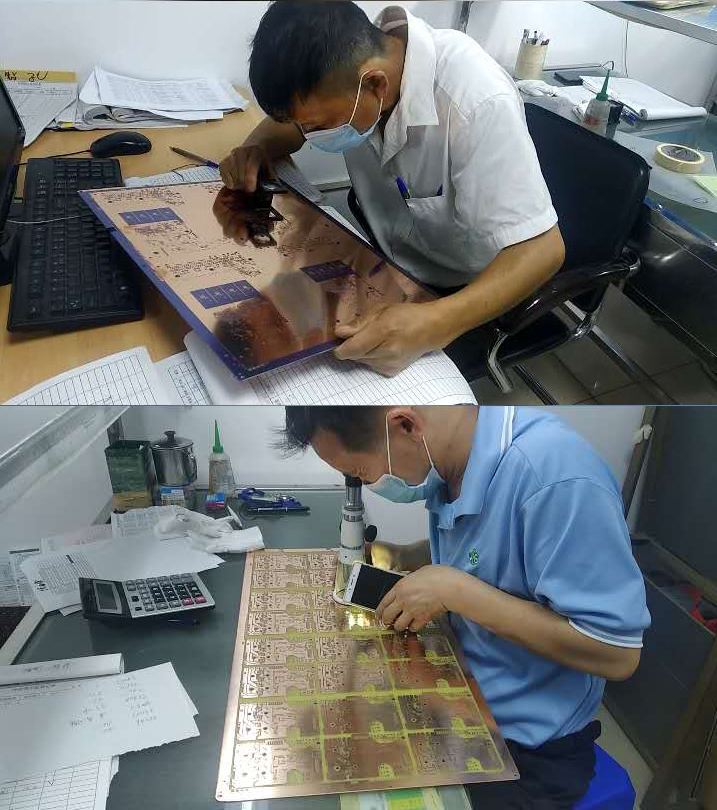
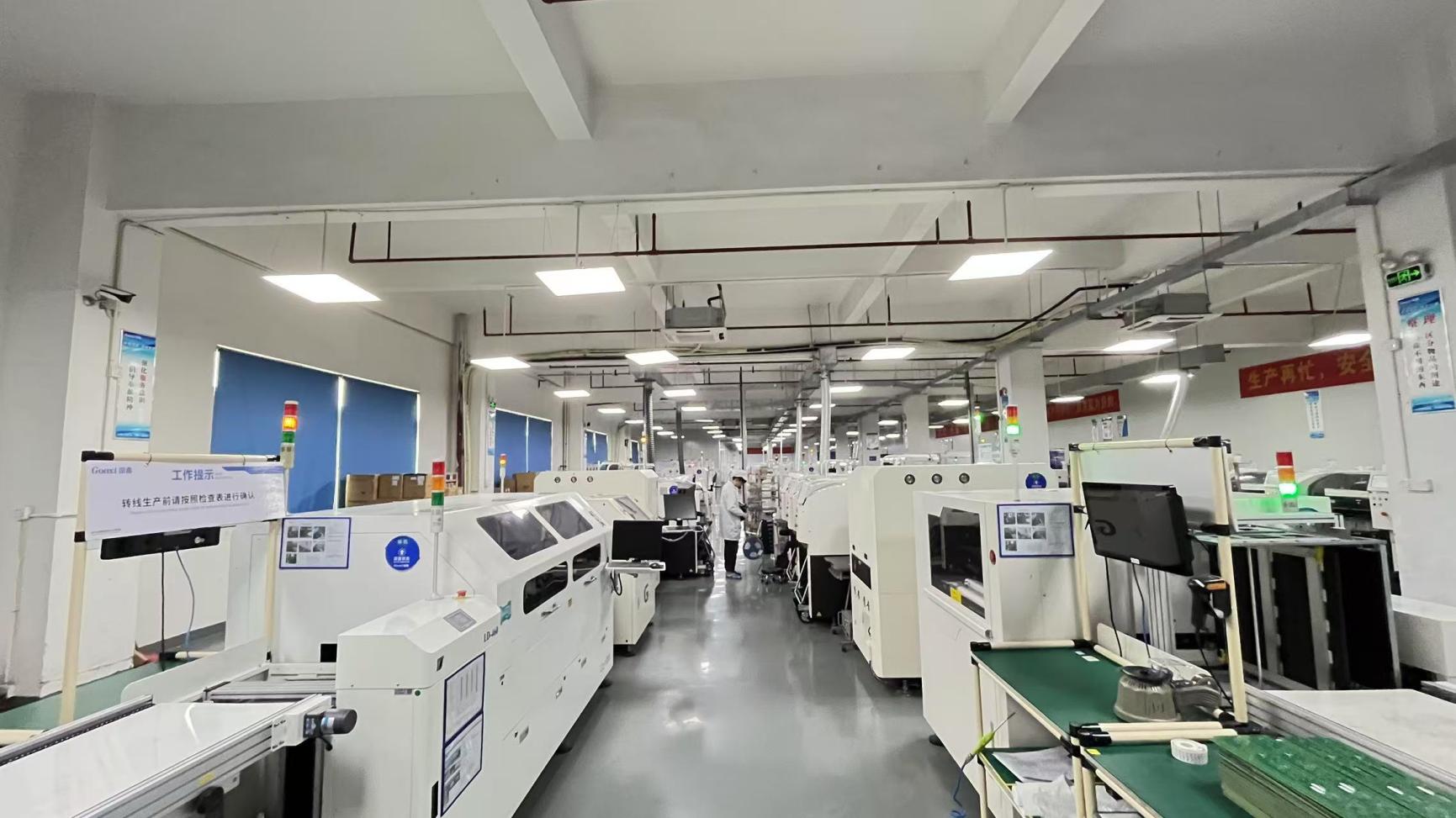
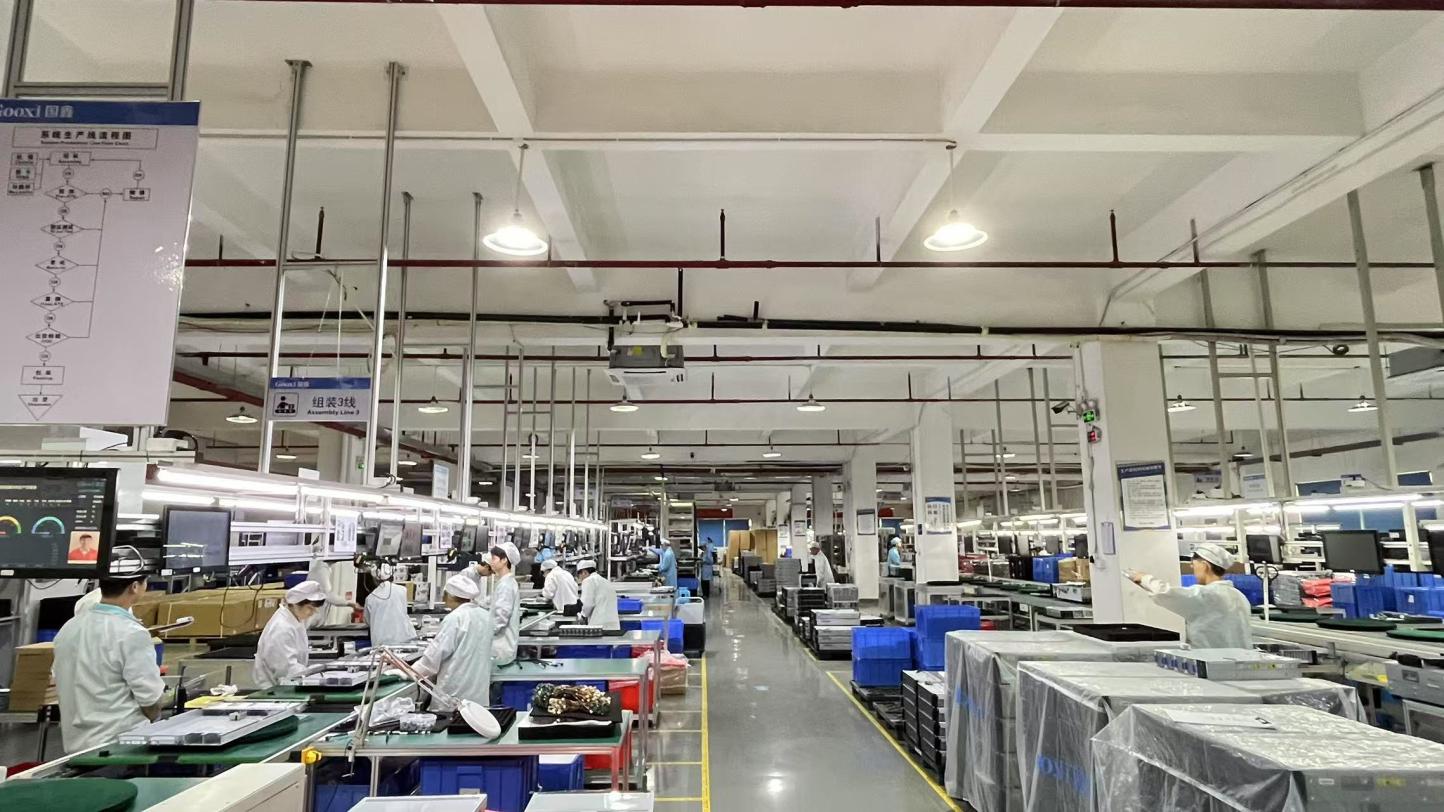
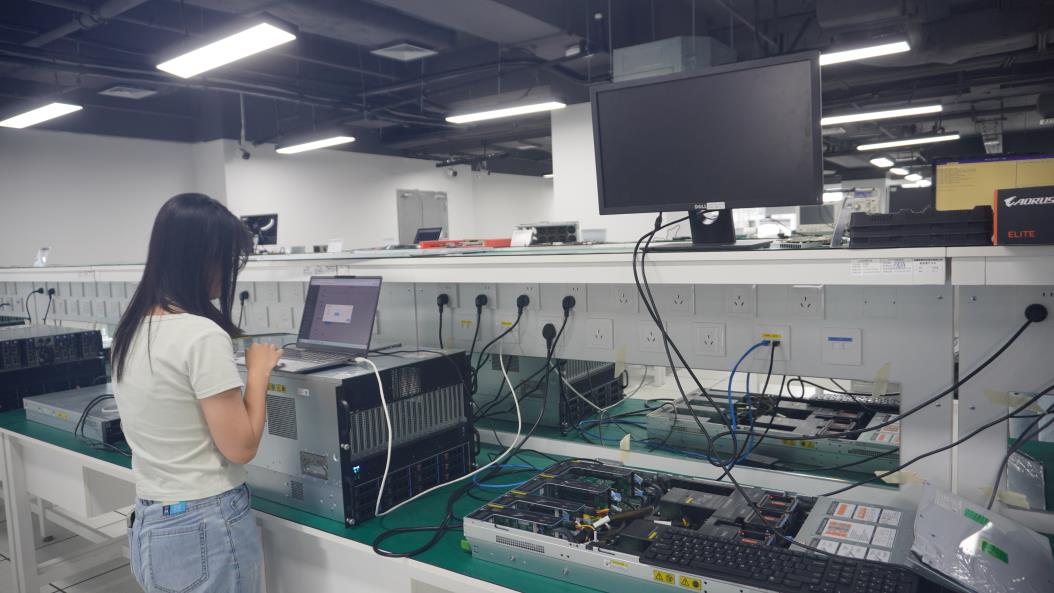
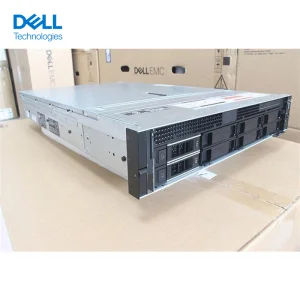
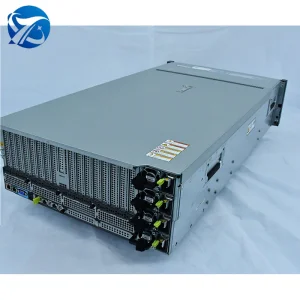
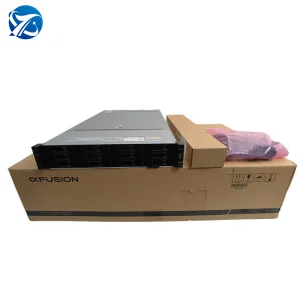
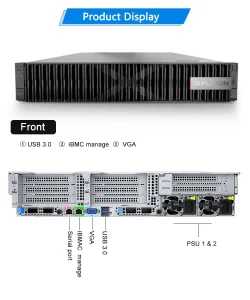
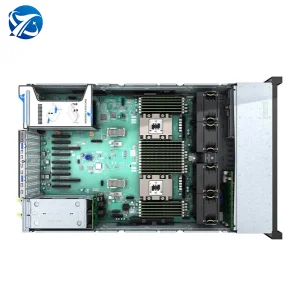
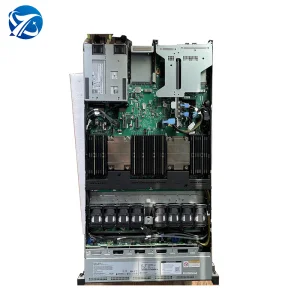
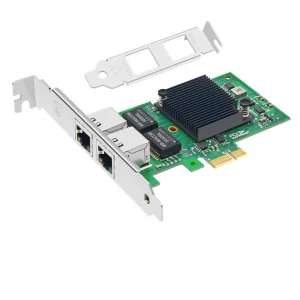
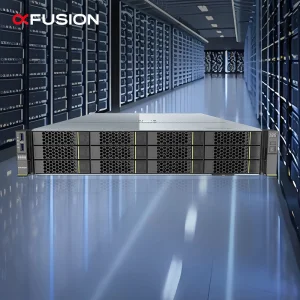
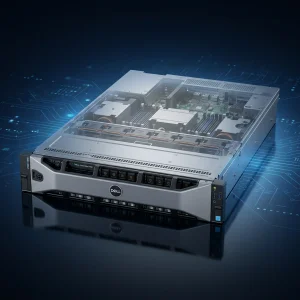
High-density platforms, acceleration units, and matched array controllers optimized for German enterprise standards.
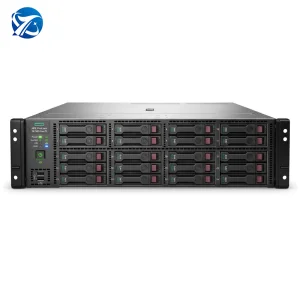
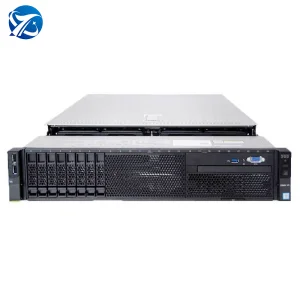
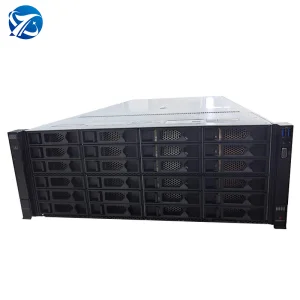
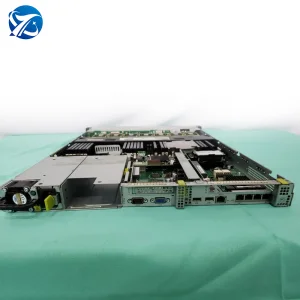
Detailed guidance on procurement, validation, and standard compliance for German system integrators.
Our RAM components are manufactured using DRAM chips sourced from Tier-1 silicon manufacturers (Samsung, SK Hynix, Micron). They are programmed with SPD (Serial Presence Detect) parameters that comply with JEDEC specifications. Each memory batch is verified against the targeted server BIOS profiles to ensure stable boot-up and full speed configuration across multichannel setups without compatibility warnings.
On-Die ECC is a standard feature of DDR5 chips that corrects single-bit errors within the memory IC itself, improving internal yields and scaling reliability at higher densities. Side-band ECC (System ECC) uses extra data lines on the module to correct errors during transmission between the memory and the CPU. Combining both technologies provides double protection, minimizing system crashes and bit-flip errors in mission-critical applications.
We maintain active certifications for all hardware exports. RoHS compliance guarantees that our products do not contain heavy metals or hazardous chemicals. WEEE registrations ensure appropriate recycling pathways. All import documentation is pre-verified through Germany's ATLAS system to prevent delivery delays at customs.
Yes. Backed by our engineering team of 180 specialists, we provide OEM/ODM customization services. This includes optimizing memory layouts for custom blade architectures, designing low-profile thermal spreaders for 1U servers, and modifying BIOS/firmware configurations to meet specific workload needs.
Through our network of 860 partners, we secure bulk components in advance. Standard orders are assembled, tested, and shipped within 2 to 4 weeks. For contracted customers in Germany, we support buffer stock agreements to protect against supply disruptions and ensure steady component delivery.