Klyvora
Klyvora
Klyvora
High-throughput host bus adapters, resilient RAID arrays, and robust SATA storage architectures certified for immediate deployment in Tokyo, Osaka, and regional Japanese private cloud ecosystems.
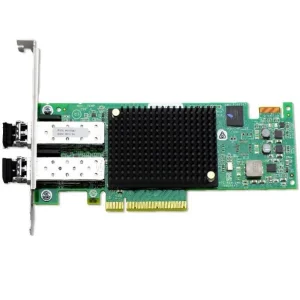
As Japan moves forward with its Society 5.0 strategic mandate, the demand for enterprise computing has expanded beyond traditional hosting configurations. Japan is now one of the primary hubs in East Asia for dense artificial intelligence model scaling, real-time advanced telematics processing, and massive hyper-converged database architectures. Modern hyperscalers located within the Chiba, Kanagawa, and Osaka Prefectures must now address critical operational realities: spatial density constraints, strict thermal management, and reliable components.
Our research indicates that the Japanese market demands a specific subset of characteristics when choosing server hardware accessories:
To meet these rigorous localized constraints, Klyvora Node Technologies exports fully certified PCIe Gen 4.0 and Gen 5.0 server peripherals. These components enable seamless scaling, ensuring minimal latency penalty and long mean time between failures (MTBF).
Request Localized Compliance Sheet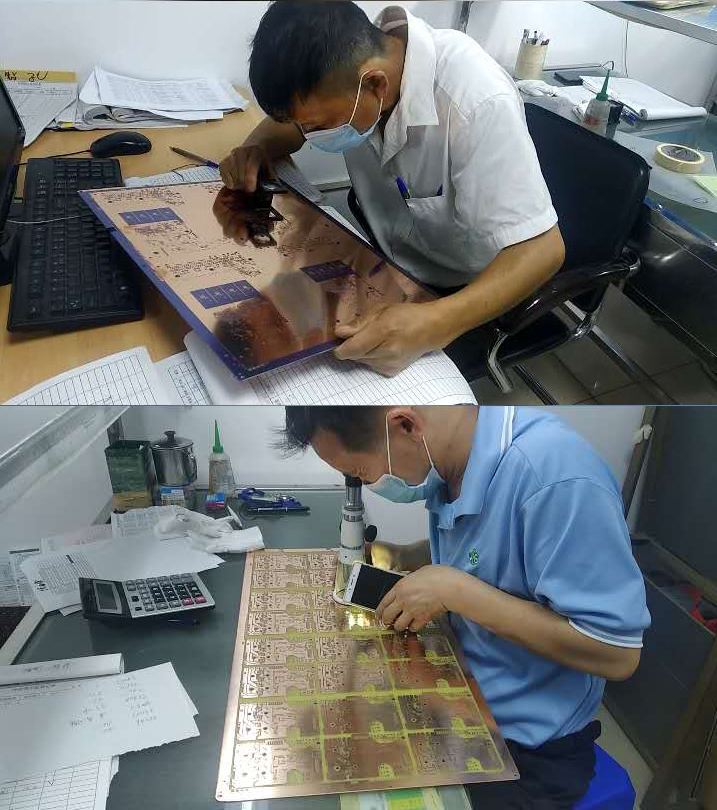
How we build bridges between global chip manufacturers and Japanese systems integrators, ensuring seamless localized support and strict environmental compliance.
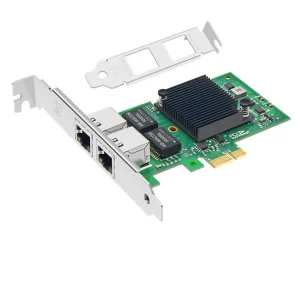
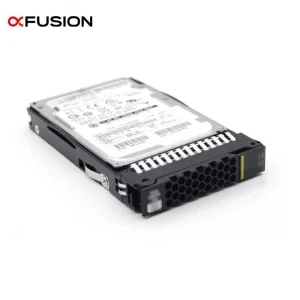
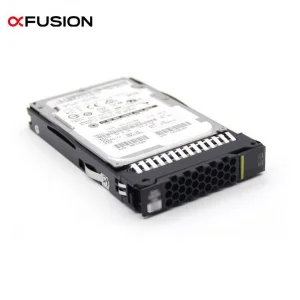
Our solutions adapt to the physical design of Japanese data centers. We prioritize space-saving form factors (low-profile PCIe cards, M.2 boot drives, and high-density 2.5" SFF enclosures) without compromising processing capacity or bandwidth.
All imported units are engineered to comply with Japanese regulatory frameworks. We maintain compliance with VCCI Class A electromagnetic susceptibility guidelines and meet METI and PSE safety testing standards for electrical components.
We work with trusted logistics hubs in Tokyo and Osaka to ensure reliable supply chain delivery. We provide custom integration support, firmware flashing, and technical setup services to resolve any system compatibility issues quickly.

Established in 2016, Klyvora Node Technologies Ltd. operates a high-performance computing infrastructure assembly, test, and optimization facility. Specializing in AI GPU server systems, scalable compute clusters, and enterprise-grade data center solutions, our modern plant supports integrated research and development (R&D), hardware configuration, burn-in validation, and strict quality control operations.
With annual export revenues ranging between USD 8 million and USD 22 million and over 6 years of direct global exporting experience, we are positioned to support Japanese enterprise data center transitions. Our manufacturing pipelines and component sourcing strategies integrate directly with local technology hubs to assure minimal supply disruption.
Our quality verification system is built on modern benchmarking and functional tests:
1. Thermal Stress Testing: Testing performance limits in thermal chambers to verify reliability under high-load conditions.
2. Hardware Diagnostics: Testing multi-stage read/write cycles, memory page registers, and controller command execution.
3. Full System Validation: Performing real-world burn-in verification on high-speed target servers (including Hyper XFusion and compatible server chassis) before shipment.
Our server components are engineered to perform reliably across key high-density, mission-critical infrastructure applications throughout Japan.
AI research requires dense hardware processing setups that can generate high thermal loads. By utilizing our PCIe Gen 4.0 Tri-Mode RAID controllers and high-speed QSFP+ direct-attach cabling assemblies, laboratories in Tsukuba deploy reliable, high-speed storage channels. These setups maintain throughput for deep learning models and ensure system reliability during intensive computing runs.
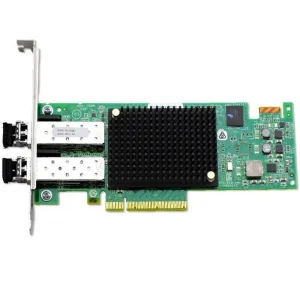
High-frequency trading architectures demand consistent, low-latency performance. Emulex 32Gb/s Fibre Channel HBA cards help Japanese financial institutions establish stable links to primary SAN networks. This ensures efficient data transfer, minimizes transaction queues, and provides high failover resistance during peak volume periods.
Select from our range of power systems, multi-mode cabling, and array controllers to build high-performance, compliant systems for Japanese private and public clouds.
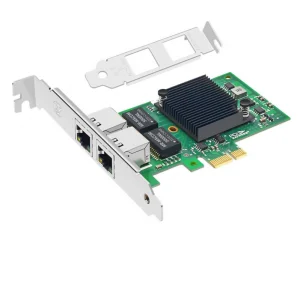
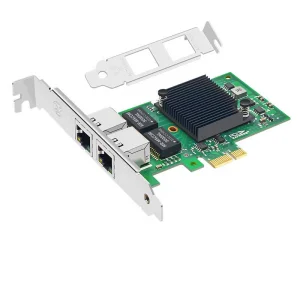
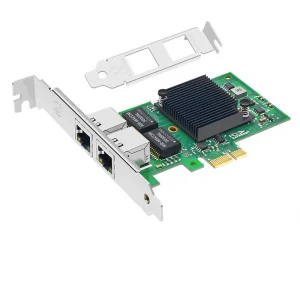
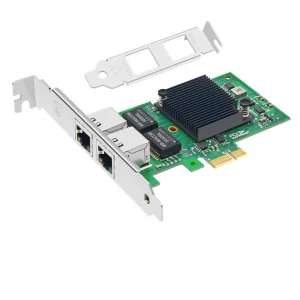
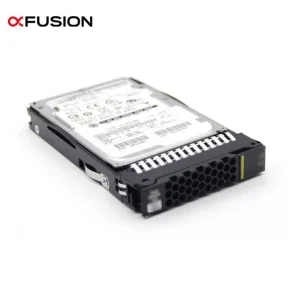
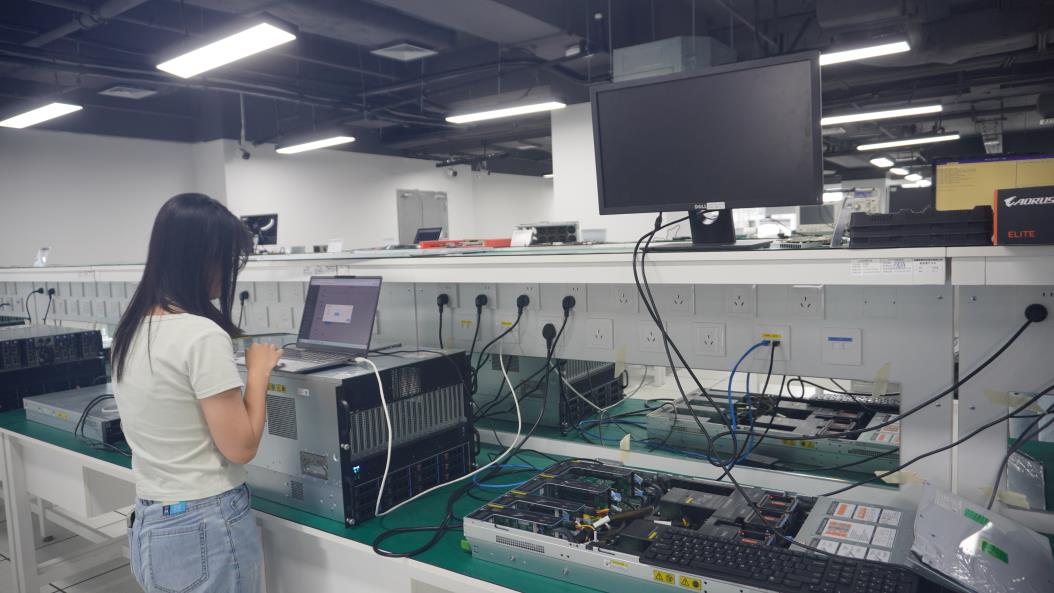
Through strict assembly processes, state-of-the-art testing stations, and a modern facility footprint of 320㎡, we deliver reliable performance for global deployments.

As data storage requirements expand, we continue to develop new components to keep pace with changing data center architectures.
Our upcoming product lines support PCIe Gen 5.0 and PCIe Gen 6.0 interfaces, helping data systems prepare for high-bandwidth NVMe and SAS4 requirements. This prepares systems to handle growing AI data needs without transmission bottlenecks.
To help data facilities lower PUE (Power Usage Effectiveness) in line with Tokyo Metropolitan Government environmental standards, we design our structural components and brackets to work with liquid cooling setups, ensuring stable air and fluid flow.
We are incorporating hardware-level root of trust (RoT) security into our boot cards and RAID controllers to protect system startup processes, helping clients meet strict digital security standards in financial and public sectors.
Get answers to common technical, logistics, and compliance questions about deploying server accessories in Japan.
Yes, our PCIe 4.0 storage and network expansion cards (like the 9540-8i and LSI 9560 series) are backward-compatible with PCIe 3.0 systems. They adapt automatically to the motherboards configuration, though maximum data rates will scale with the PCIe generation slot speed.
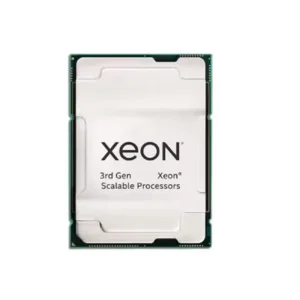
We maintain dedicated test benches with multiple server boards in our facility. Peripherals such as the XC170-M-8i SAS RAID Cable Card and Xeon CPUs undergo compatibility and performance tests to ensure they function reliably with mainstream servers and proprietary vendor platforms.
We work with global express shippers and reliable air freight networks to send components directly to Narita, Haneda, or Kansai International Airports. We prepare all necessary shipping paperwork, including HS code descriptions, component lists, and compliance documents, to help clear customs smoothly.
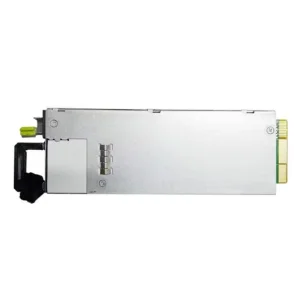
Our Platinum 900W, 1500W, and 2000W AC PSUs are built to meet 80 Plus Platinum efficiency requirements. They maintain high power conversion efficiency (up to 94% at typical system loads), reducing power waste and supporting energy conservation efforts.
Yes. Our engineering team can configure firmware settings, customize RAID profiles, or pre-flash specific IT/IR firmware modes before shipping to match your system setups.
Connect with our engineering and export team for custom component designs, bulk quotes, and advice on local compatibility and compliance requirements.
Send Inquiry Now