Klyvora
Klyvora
Klyvora
As Nepal accelerates its national ICT initiatives, the demand for enterprise-grade networking solutions is experiencing unprecedented growth. Guided by the Digital Nepal Framework, public sectors, telecom operations, financial institutions, and rapid hydro-infrastructure installations are migrating to unified IP fabrics. The local topography, characterized by complex mountain corridors and varying humidity zones, presents unique hardware challenges that off-the-shelf equipment cannot withstand.
From local ISPs in Kathmandu scaling their metropolitan fiber loops to hydro-electric power plants in remote Himalayan valleys requiring ruggedized industrial control networks, the selection of core network switches and compute resources directly dictates system stability. In this environment, low latency, Layer 3 routing, and reliable high-density server configurations are crucial for preventing packet loss and ensuring continuous operation.
Hardware engineered to resist voltage fluctuations and high humidity, minimizing localized system downs.
Advanced OSPF, BGP, and VRRP protocols for robust multi-branch cross-border networks.
Urban hubs such as Pokhara, Lalitpur, and Biratnagar are experiencing rapid growth in FTTH (Fiber-to-the-Home) networks. This development requires Layer 2/3 distribution switches capable of managing high-bandwidth connections without bottlenecks.
Surge protection (6kV+) built into switches prevents lightning-induced damages common in monsoon periods.
Streamlined customs and transport protocols via Kerung and Tatopani routes directly from adjacent Chinese high-tech zones.
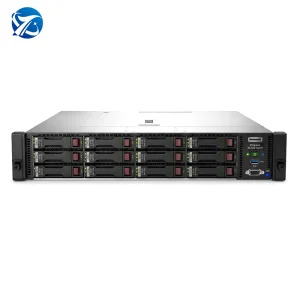
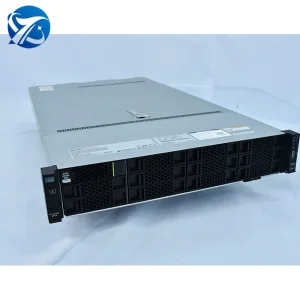
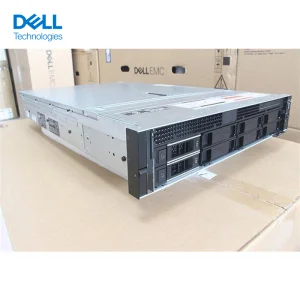
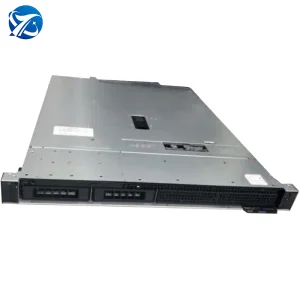
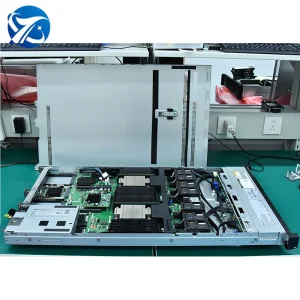
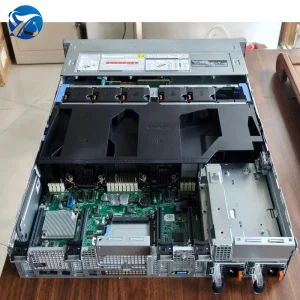
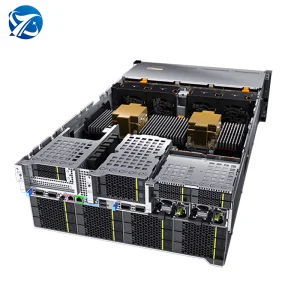
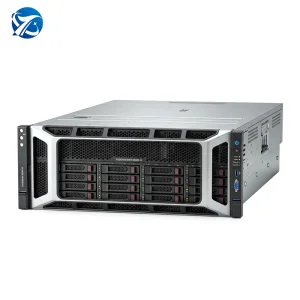
To complement core switching infrastructures, enterprise data facilities in Nepal leverage these high-efficiency server configurations for virtualization, hosting, and institutional databases.
Klyvora Node Technologies Ltd. is a high-performance computing infrastructure manufacturer specializing in AI GPU server systems, scalable compute clusters, and enterprise-grade data center solutions. Established in 2016, the company operates a modern production facility with a total building area of approximately 320㎡, supporting integrated R&D, assembly, testing, and quality control operations.
The company reports annual export revenue ranging between USD 8 million and USD 22 million, with over 6 years of export experience and 11 years of accumulated industry expertise in advanced computing hardware and system integration. Klyvora maintains a strong international trade background and serves major markets including North America, Europe, the Middle East, and Southeast Asia.
In the past year, Klyvora has launched approximately 86 new products, reflecting its continuous innovation in high-density computing systems and next-generation AI infrastructure solutions.
Our structured quality assurance system combines automated testing methods, burn-in stress testing, and full-system validation procedures. Product inspection methods include thermal performance testing, hardware stress diagnostics, and multi-stage functional verification. Our quality control team consists of approximately 42 dedicated professionals ensuring strict compliance with international manufacturing standards.
Collaborating with a global supply chain network of over 860 partners, Klyvora enables stable sourcing of high-grade components such as GPUs, server-grade motherboards, power systems, and cooling solutions. Our primary customer base includes AI research institutions, cloud service providers, enterprise data centers, and HPC solution integrators.
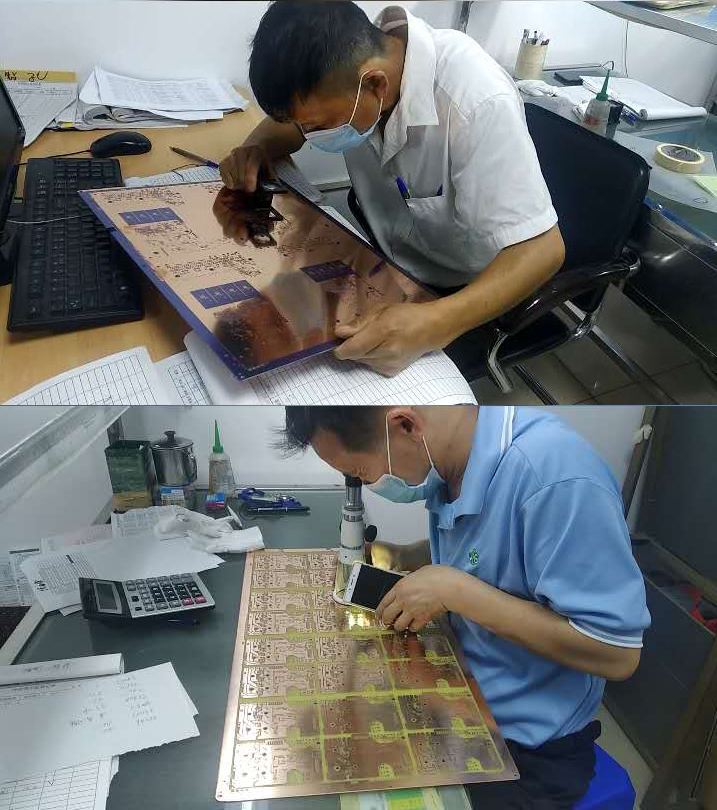
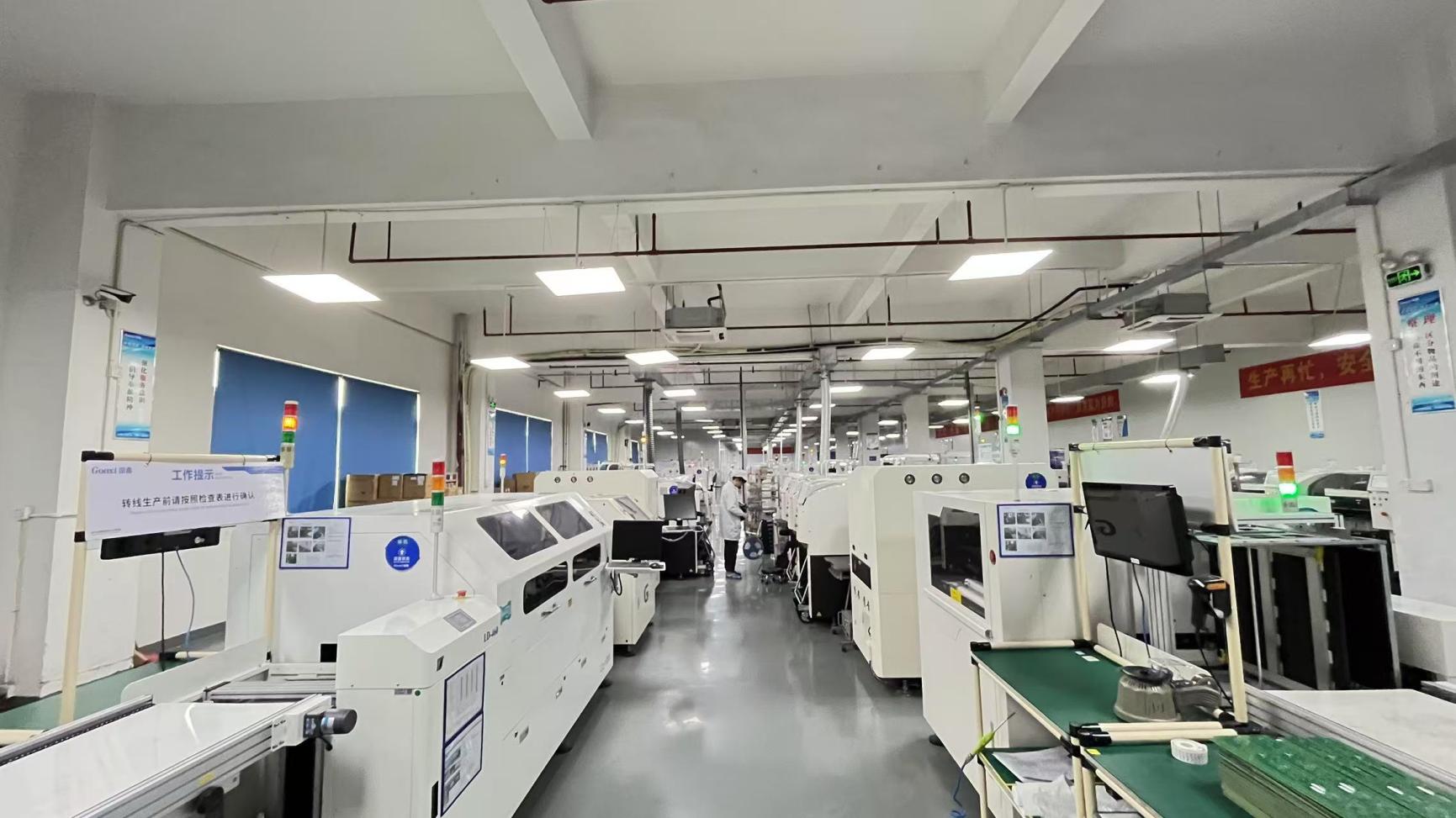
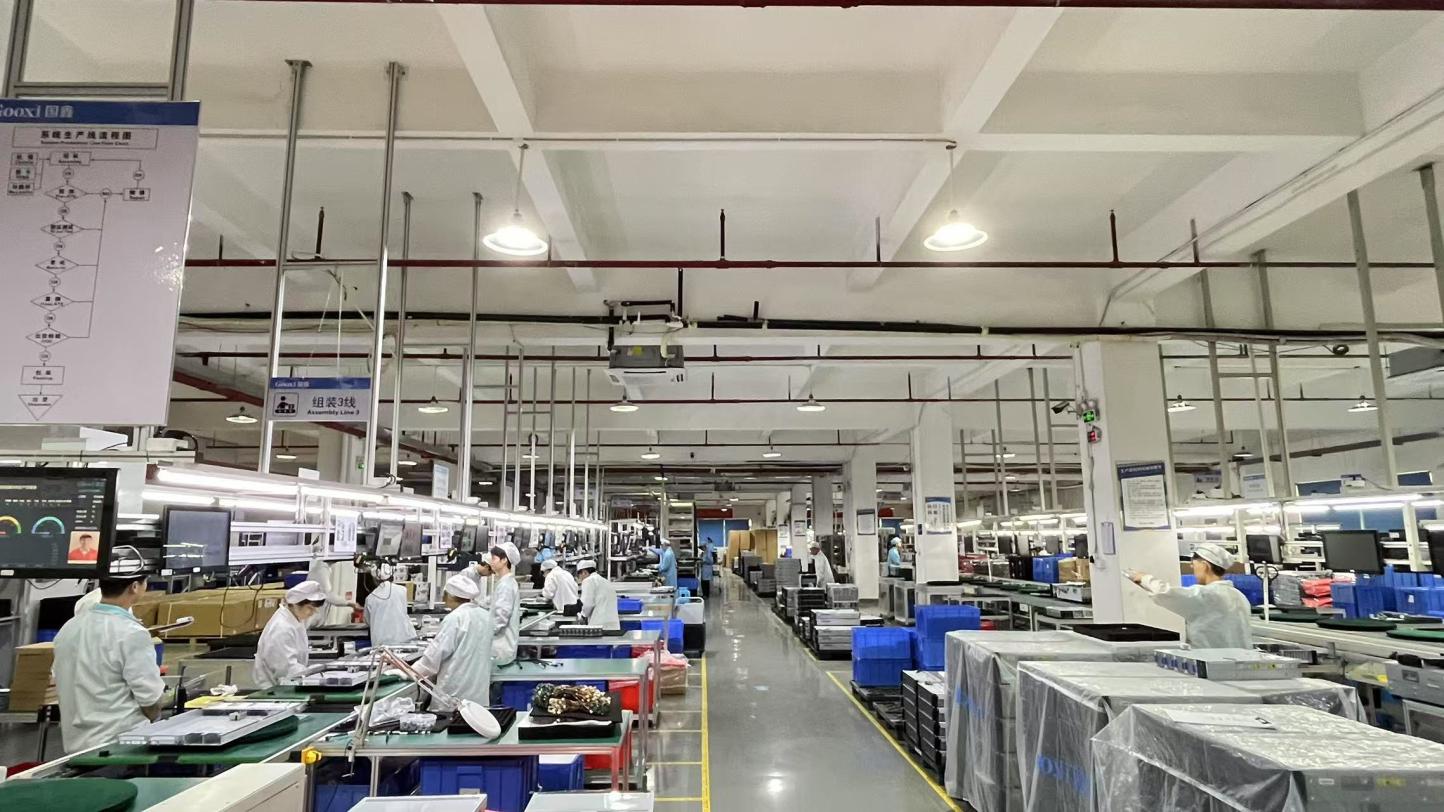
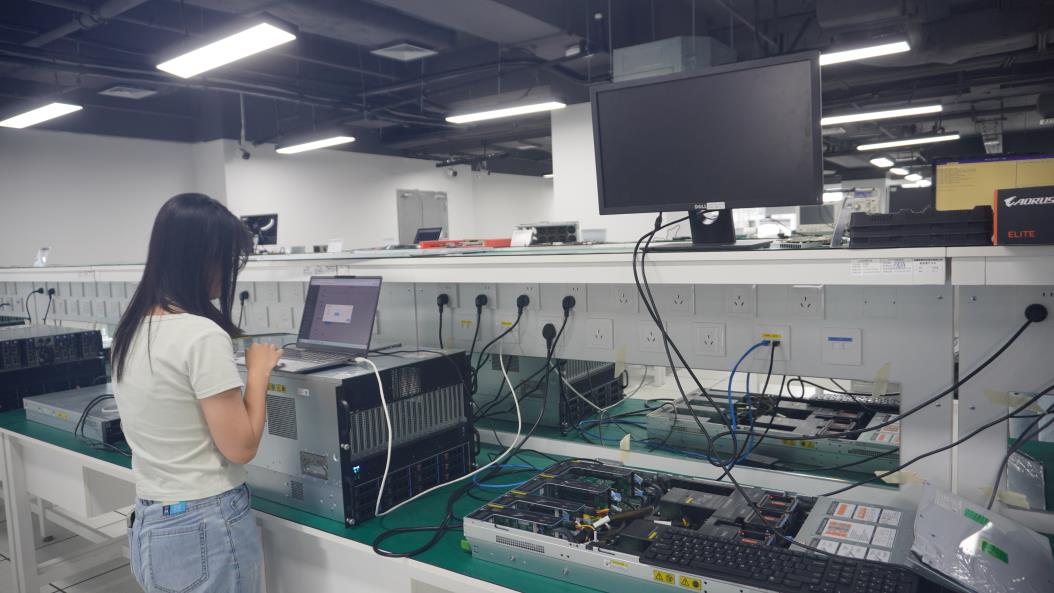
Purchasing network switches and enterprise server hardware from China's smart manufacturing facilities provides distinct cost and operational advantages for Nepalese firms. The implementation of Industry 4.0 practices integration—characterized by robotic precision soldering, automated optical inspection (AOI), and AI-driven thermal cabinet profiling—ensures that every L2/L3 switch meets stringent international standards.
For Nepalese importers, geographic proximity combined with optimized cross-border land routes via Gyirong/Rasuwagadhi or Tatopani ports allows for shorter lead times compared to shipping from European or American hubs. By cutting out middle distributors and coordinating directly with factory-exporters like Klyvora Node Technologies, businesses secure robust hardware customization (e.g., specific PSU redundancy and customized ASIC firmware) while optimizing procurement budgets.
"Custom hardware profiling, such as configuring dual-redundant hot-swappable power supplies to mitigate frequent power drops, is standard under Industry 4.0 manufacturing pipelines. This approach guarantees that deployed networks remain online in demanding climates."
Understanding local deployment requirements helps optimize network design and equipment selection:
Financial hubs in Nepal require core switching setups with zero packet loss, high-capacity VLAN segmentation, and sub-50ms failover mechanisms using VRRP. Incorporating managed L3 switches alongside high-speed database nodes ensures compliance with regulatory requirements and provides defense against security threats.
Hydropower installations situated along river corridors require industrial-grade switches that operate reliably across wide temperature fluctuations and handle high physical vibration. Using fiber optic uplinks helps protect signals from electromagnetic interference (EMI) near large turbine systems.
Deploying high-power PoE+ switches in municipal hubs allows city networks to supply power and transmit high-definition data to outdoor IP cameras. This helps simplify local topologies and lowers maintenance costs.
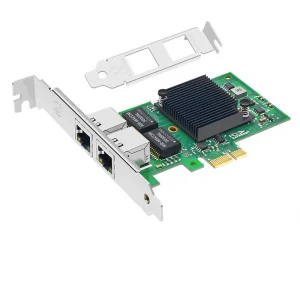
Explore our selection of enterprise switches, storage controller expansions, and AI-optimized processing servers designed for deep cloud architectures and digital infrastructures.
Enterprise switches and hardware are primarily transported via overland freight corridors such as the Lhasa-Shigatse-Gyirong (Rasuwagadhi) route or the Tatopani border crossing. This transit approach reduces cargo shipping times down to 10-15 days. Importers need standard Nepalese customs clearance documentation, including proforma invoices, L/C (Letters of Credit), and telecommunication import licenses issued by the Nepal Telecommunications Authority (NTA).
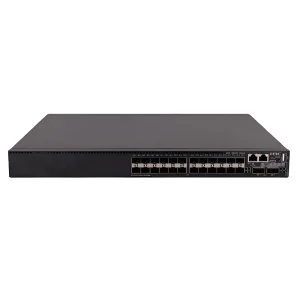
Layer 3 switches, like the H3C S6520X-30QC-EI, integrate routing functionality directly into the hardware switching engine, allowing line-rate IP forwarding. In metropolitan regions like Kathmandu, Layer 3 capabilities allow ISPs to configure localized OSPF or BGP routing tables directly on distribution nodes, localizing traffic routing and reducing processing load on core upstream systems.
High-performance network switches sourced from specialized factories feature built-in 6kV to 10kV surge protection circuits on all Ethernet copper ports. To safeguard infrastructure from voltage fluctuations and lightning damage common during monsoons, deployments should include double-conversion online UPS systems, dedicated grounding lines, and isolated optical fiber connections for all inter-building uplinks.
Yes. Klyvora maintains structured R&D divisions with approximately 180 engineers. We support customized configurations including custom chassis dimensions, redundant high-density cooling options, and firmware variations optimized for specialized local applications such as hydropower telemetry and private cloud infrastructure.
Consult with our engineering and procurement team today. Get tailor-made technical designs, customs advice for cross-border routes, and wholesale manufacturing pricing.
Send Inquiry Now