Klyvora
Klyvora
Klyvora
Deploy advanced deep learning clusters and high-density virtualization setups with our select system portfolio configured specifically for South American power and thermal profiles.
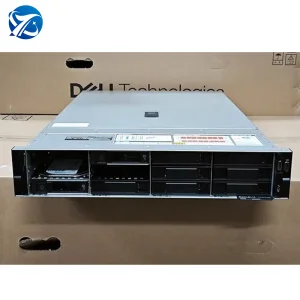
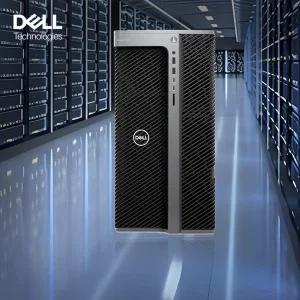
Analyzing the commercial dynamics, currency compliance structures, and deployment pipelines driving AI implementation across the Southern Cone.
Argentina’s modern tech infrastructure faces distinct structural constraints. Due to historical foreign exchange fluctuations and evolving customs architectures—such as the transition from the older SIRA (Sistema de Importaciones de la República Argentina) to the updated, streamlined SEDI import licensing framework—procuring brand-new, whole-unit server assemblies can often result in long lead times. Consequently, enterprise data centers in Buenos Aires, Córdoba, and Santa Fe are shifting to custom performance enhancement pipelines.
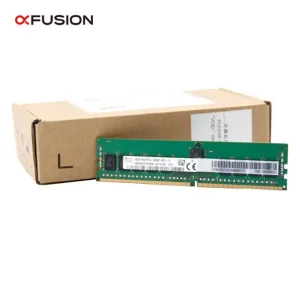
Upgrading existing server chassis with high-density DDR5 ECC RDIMMs and performance-grade DDR4 modules has emerged as a crucial strategy for local IT directors. By maximizing memory density per channel, local operators can easily scale hyper-converged virtualization environments and containerized cloud setups without needing to acquire new chassis. This extends hardware lifecycles and significantly improves computational yield per watt, helping mitigate budget pressures.
Importing high-performance compute hardware into Argentina requires navigating a complex compliance landscape. Hardware must conform to RAM-related electrical certifications and local safety approvals under IRAM (Instituto Argentino de Normalización y Certificación). Additionally, items entering Argentina are subject to MERCOSUR's Common External Tariff (Tarifa Externa Común - AEC), where computing equipment sits under specific NCM (Nomenclátor Común del MERCOSUR) tariff codes.
At Klyvora Node Technologies, we streamline these logistics by partnering with local importers (Impostadores de Registro) and providing comprehensive compliance documentation. This includes certified HS codes, COO (Certificate of Origin) documents, and factory compliance declarations. By handling these details proactively, we minimize delays at terminal customs, helping our Argentine partners avoid costly warehousing fees.
The compute demands in Argentina are highly focused on sector-specific applications. Key drivers include:
How Klyvora Node Technologies guarantees performance, reliability, and cost-competitiveness through advanced manufacturing and end-to-end supply chain integration.
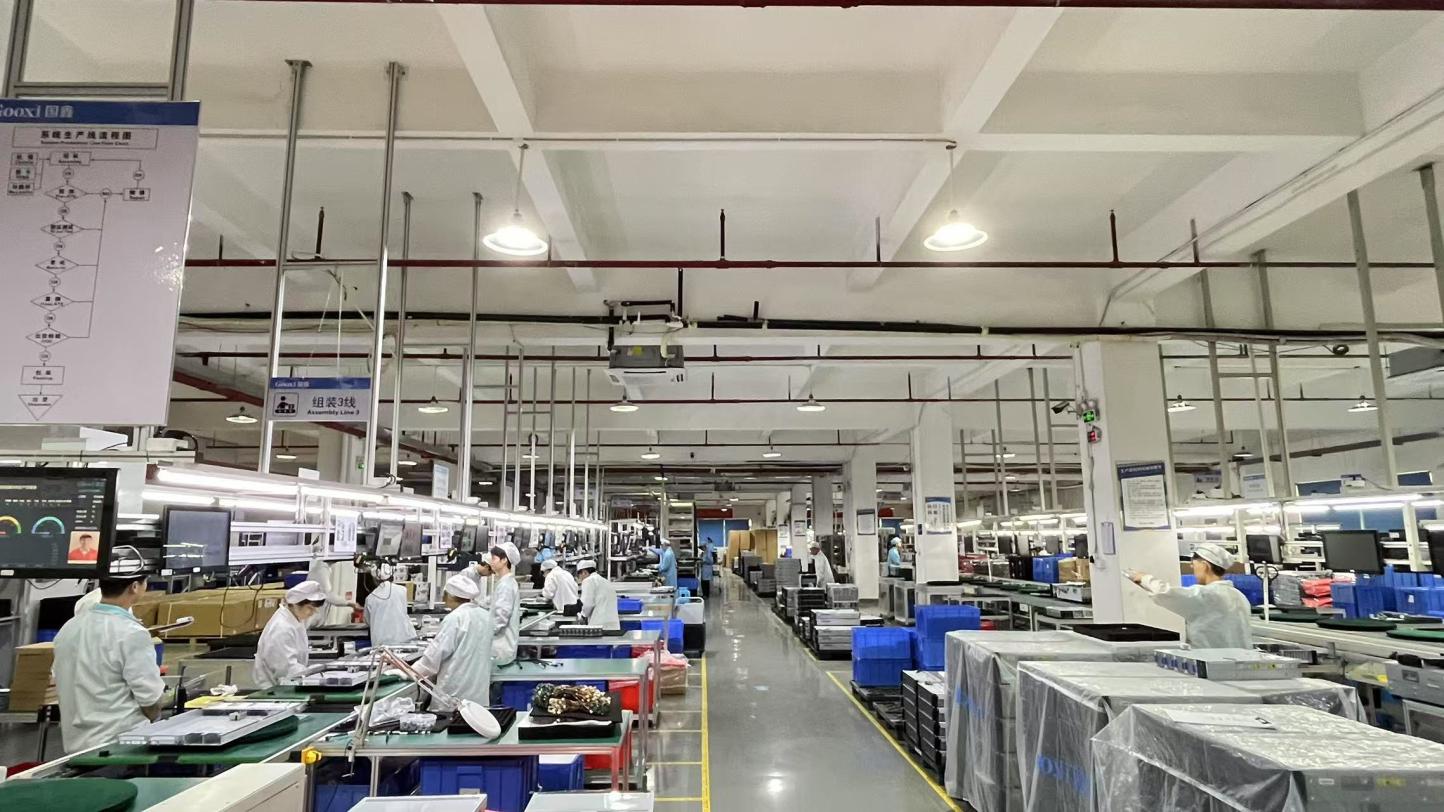
Established in 2016, Klyvora Node Technologies Ltd. is a high-performance computing infrastructure manufacturer specializing in AI GPU server systems, scalable compute clusters, and enterprise-grade data center solutions. We operate a highly specialized production facility with a total building area of approximately 320㎡, dedicated to integrated R&D, high-precision assembly, burn-in testing, and multi-stage quality control operations.
Our company reports annual export revenues between USD 8 million and USD 22 million. We back our systems with over 6 years of focused export experience and 11 years of deep, hands-on industry expertise in advanced computing hardware.
By leveraging our strategic location within China's premier technology hardware ecosystems, we collaborate with a robust supply chain network of over 860 partners. This secures stable access to high-grade components, including specialized GPUs, high-speed networking adapters, and redundant power systems, even during tight global supply windows.
Our engineering division consists of around 180 engineers focused on optimizing GPU server architectures, developing liquid-cooling designs, and tuning workloads for AI frameworks. Klyvora supports comprehensive hardware customization, including customized GPU density configurations, tailored firmware adjustments, and complex rack integrations.
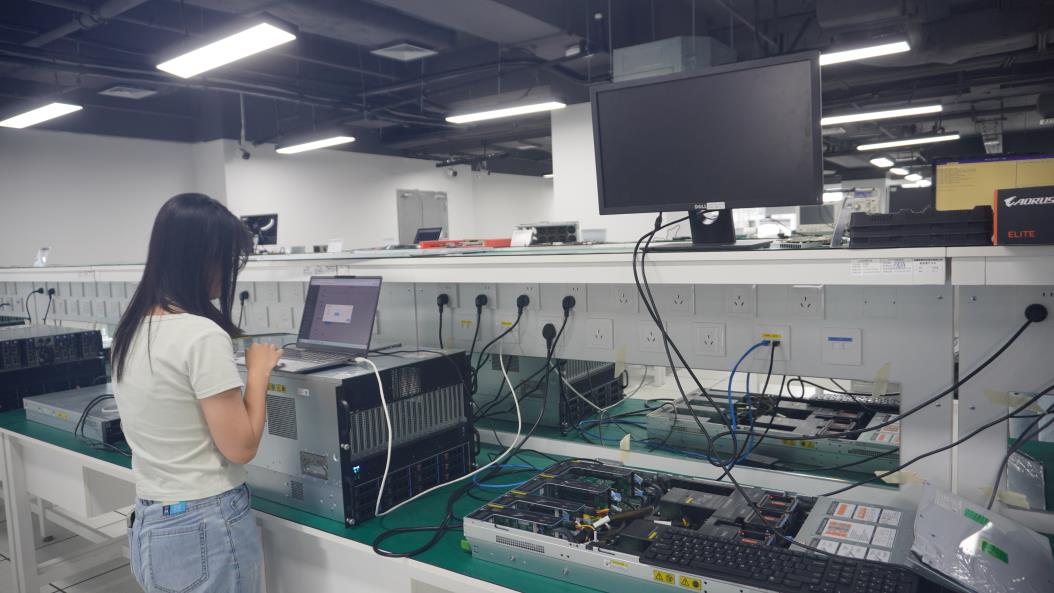
We maintain strict quality control through a dedicated team of approximately 42 QC professionals. Our quality assurance framework blends automated validation tools with hands-on stress testing. Every server undergoes multi-day high-temperature burn-in tests, signal diagnostics, and memory validation testing before being approved for export.
Additionally, we introduced approximately 86 new products last year alone. This rapid product cycle ensures our customers always have access to the latest developments in high-density computing and server-grade memory.
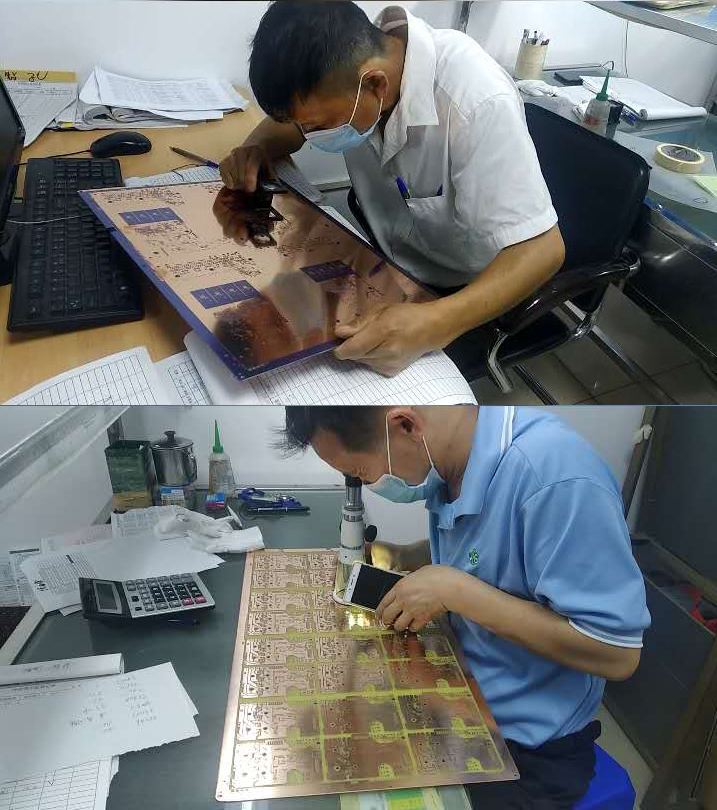
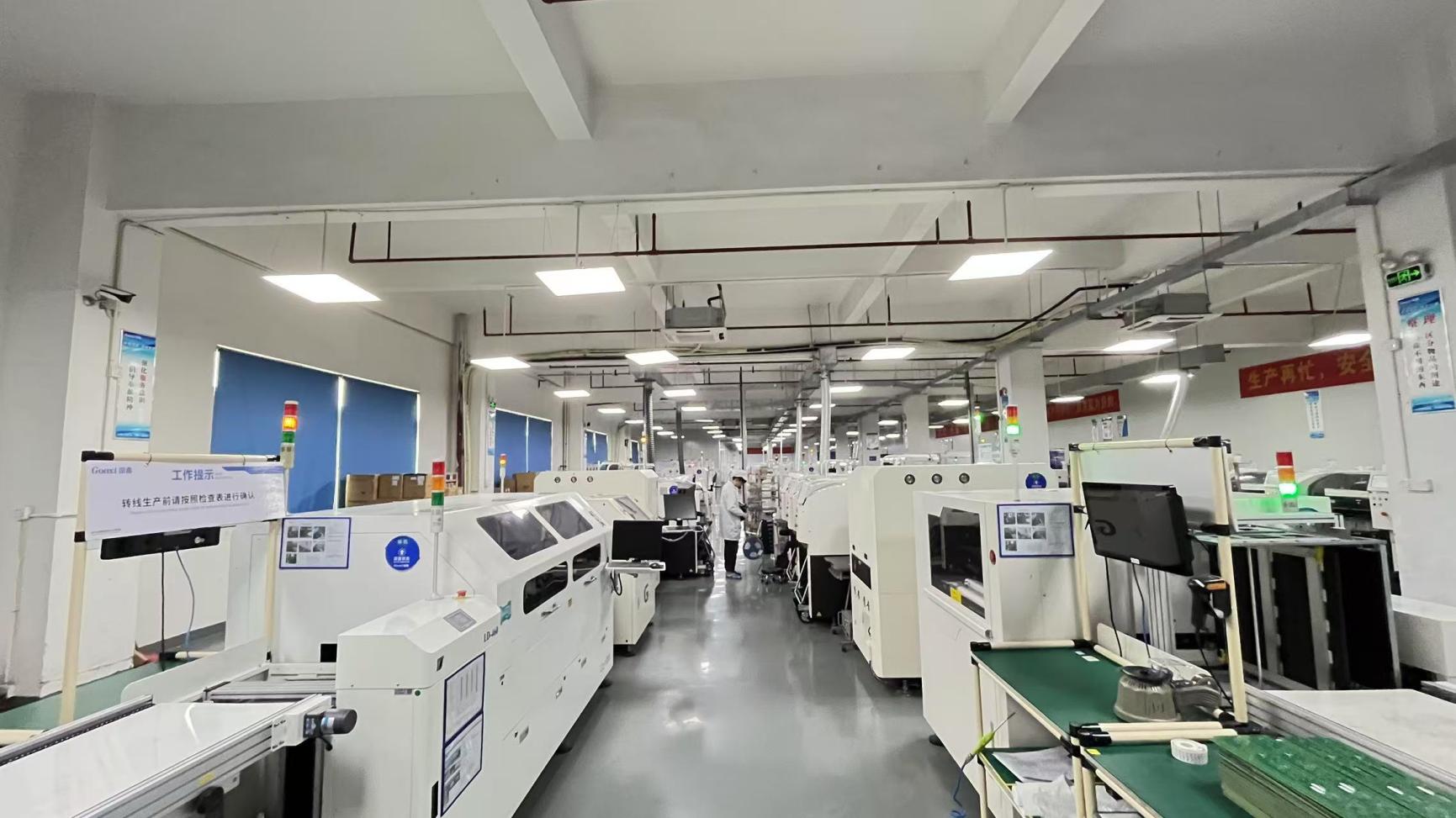
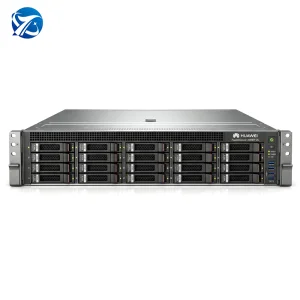
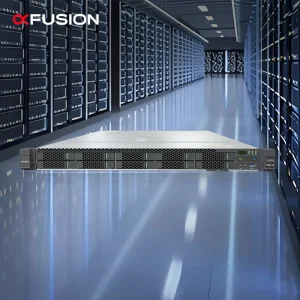
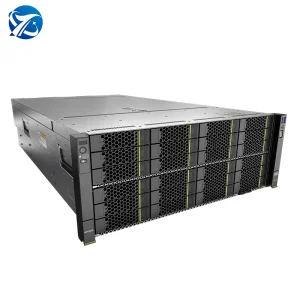
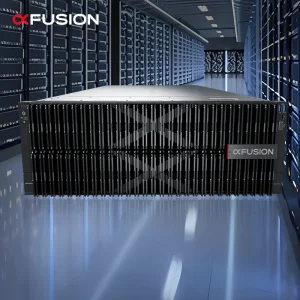
Explore our collection of 2U and 4U multi-socket computing nodes, built for high uptime in virtualization and large-scale enterprise analytics.
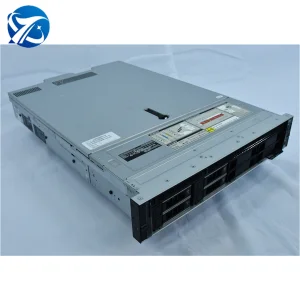
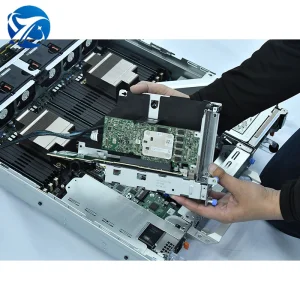
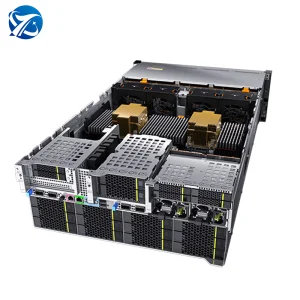
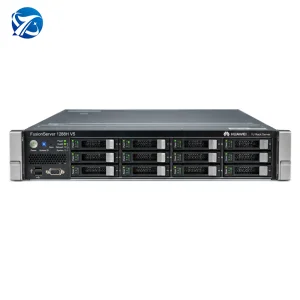

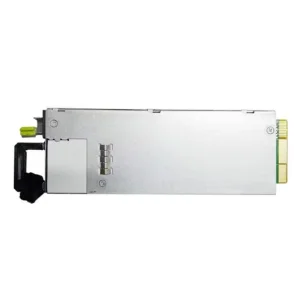
Minimize shipping lead times and bypass complex full-rack customs by upgrading memory density and swapping power supplies on site.
Addressing key design requirements for deep learning clusters: heat management, power efficiency, and data transfer speeds.
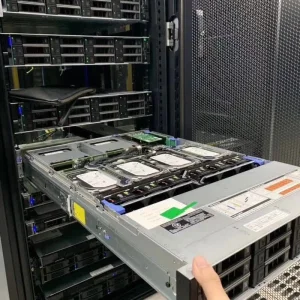
High-density AI servers equipped with modern GPUs, such as NVIDIA HGX or PCIe modules, generate substantial heat. Under sustained workloads like training deep neural networks or processing complex analytics, managing thermal output is essential to prevent thermal throttling.
To address this, our chassis designs incorporate advanced airflow pathways, high-RPM hot-swappable fan banks, and optimized heat sink geometries. For environments with high ambient temperatures, we also design custom liquid-cooling loops. This helps ensure consistent system performance, minimizes fan energy draw, and extends the lifespan of components in local datacenters.
Modern AI workloads require very high throughput between system RAM, CPUs, and the GPU cluster. The introduction of PCIe Gen 5 architectures doubles the data transfer rates compared to PCIe Gen 4, providing up to 128 GB/s of bidirectional bandwidth on a standard x16 slot.
Our systems utilize advanced layout topologies to minimize signal interference across high-speed bus lines. By combining these layouts with high-speed DDR5 memory, we help prevent data bottlenecks during large-scale training runs. This allows local systems to run large datasets efficiently and reduces idle time for expensive GPU components.
Important details on shipping logistics, customs compliance, power configurations, and technical support for importing servers into Argentina.
We work closely with registered Argentine customs brokers (Despachantes de Aduana) to ensure all imports comply with current SEDI rules. We provide complete documentation, including detailed commercial invoices, packing lists, and Certificates of Origin. We also ensure that computing equipment and server-grade memory are classified under correct NCM (Mercosur Common Nomenclature) codes to help avoid processing delays.
Yes. Argentina uses a 220V/50Hz grid, typically with Type I plugs. We equip our servers with high-efficiency (80 Plus Platinum or Titanium certified) hot-swappable power supplies that operate across a wide input range (typically 100V to 240V AC). This ensures stable operation under local grid conditions.
Every GPU system undergoes comprehensive pre-shipment testing. Our quality control team runs diagnostic suites including multi-hour memory verification, processor stress testing, PCIe lane checks, and thermal load testing. This process ensures hardware stability and helps minimize the need for post-delivery troubleshooting.
For standard rack configurations, production and testing typically take 2 to 3 weeks. Shipping via air freight to Ministro Pistarini International Airport (Ezeiza) generally takes 7 to 10 days, while ocean freight to the Port of Buenos Aires usually takes 35 to 45 days. We also provide trackable shipping options to keep you updated throughout the transit process.
Yes. If you prefer to source GPUs or memory locally in Argentina due to import restrictions, we can export partially assembled barebones chassis. These systems include the chassis, motherboard, cooling system, and power supplies, all fully tested and ready for local component installation.