Klyvora
Klyvora
Klyvora
Explore our leading catalog of redundant, fail-safe servers designed to prevent downtime in critical workloads.

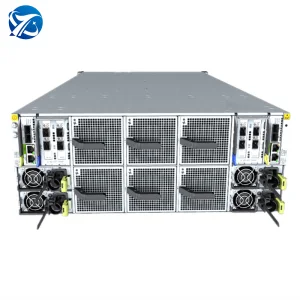
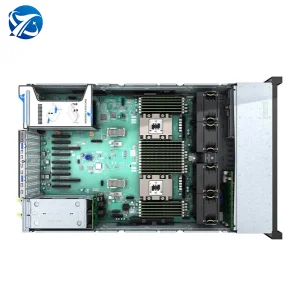
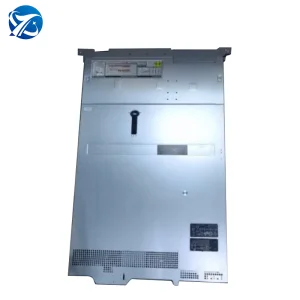

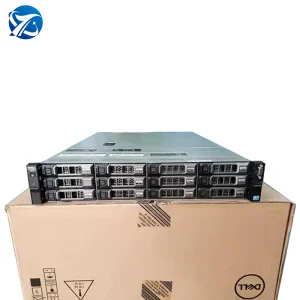

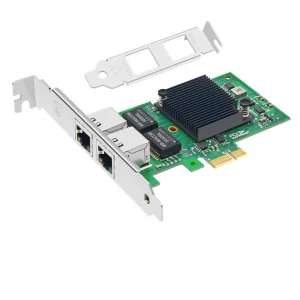
In the contemporary digital economy, data center downtime is measured not in hours, but in thousands of dollars per second. True High Availability (HA) goes beyond basic hardware assembly; it demands structural, components-level, and network-level redundancy that eliminates single points of failure (SPOF). As a leading exporter of computational systems, we optimize hardware architectures specifically to achieve up to 99.999% uptime ("five nines"). This implies a total unscheduled outage duration of less than 5.26 minutes per calendar year.
Achieving this caliber of reliability requires an integrated technical philosophy. We design architectures integrating hot-swappable enterprise component systems, multi-path input/output (MPIO) network topology, dynamic load balancing, and active-active clustering. From AI deep learning nodes to scale-out Network Attached Storage (NAS), our high availability platforms safeguard structural integrity, keeping mission-critical computations online even during partial hardware failures or live maintenance windows.
"High availability is not a product feature; it is an architectural discipline. By matching redundant server topologies with resilient power and software-defined failover layers, we ensure continuity for operations spanning sovereign cloud centers, edge industrial nodes, and massive financial clearinghouses."
Different industries face distinct fault-tolerance requirements. Our hardware systems are pre-configured to adapt to complex industrial and commercial profiles:
R&D Engineers
Global Supply Chain Partners
Max Annual Export Revenue
New Products Launched Annually
Adapting compute infrastructure to modern scale-out challenges, edge deployments, and complex cloud topologies.
Eliminating dedicated SAN hardware by virtualizing compute and storage across distributed clusters. Virtual disks replicate in real-time across multiple bare-metal nodes, safeguarding data integrity in case a node drops offline.
In massive Deep Learning models (like DeepSeek or LLama training pipelines), node failure can ruin weeks of progress. Our AI systems utilize NVMe-over-Fabrics storage arrays for ultra-fast model state checkpointing and recovery.
Meeting global mandates such as GDPR, HIPAA, and industry-specific regulations. All server firmware supports cryptographic TPM 2.0 modules, secure boot options, and remote out-of-band IPMI telemetry auditing.
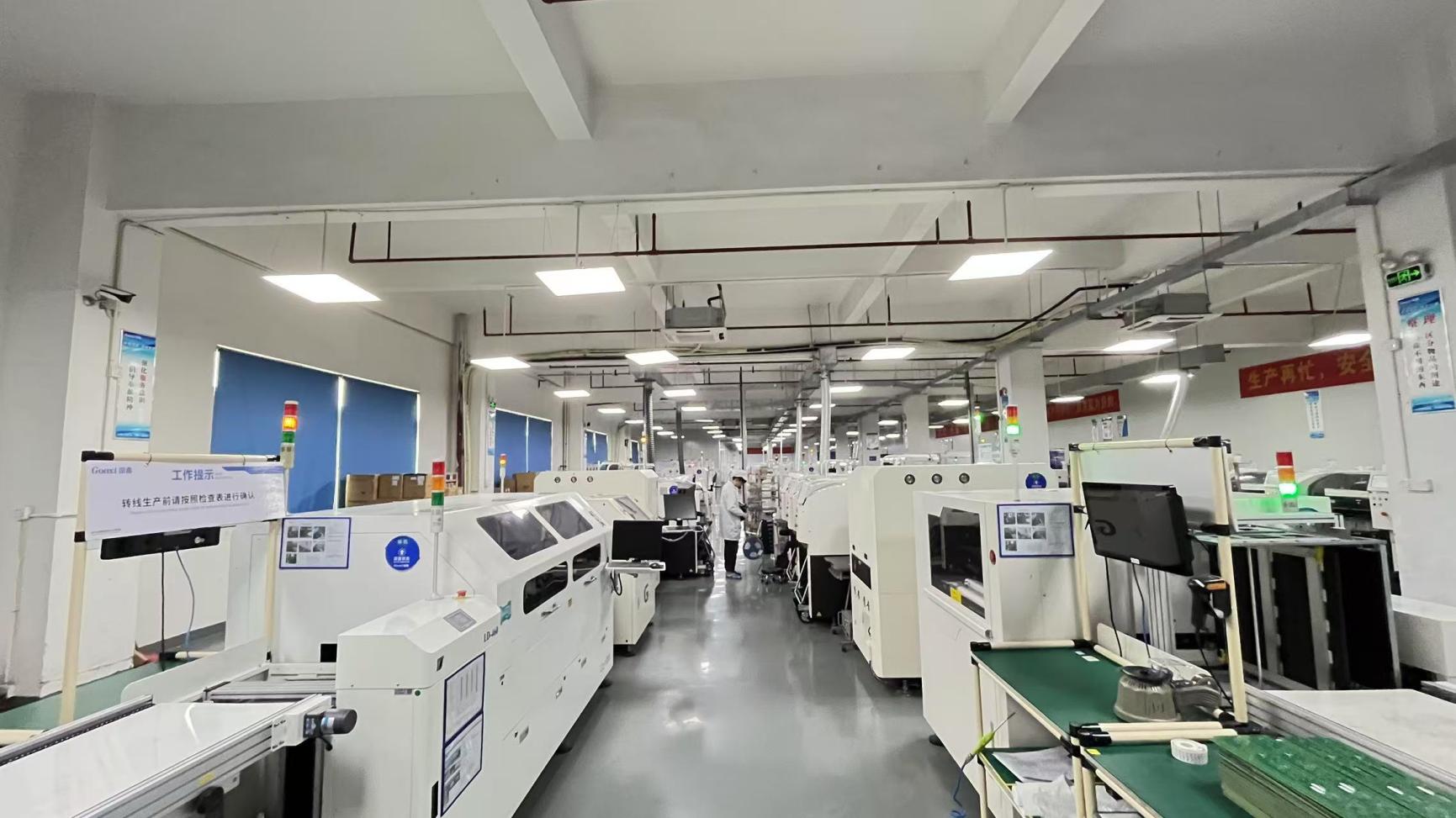
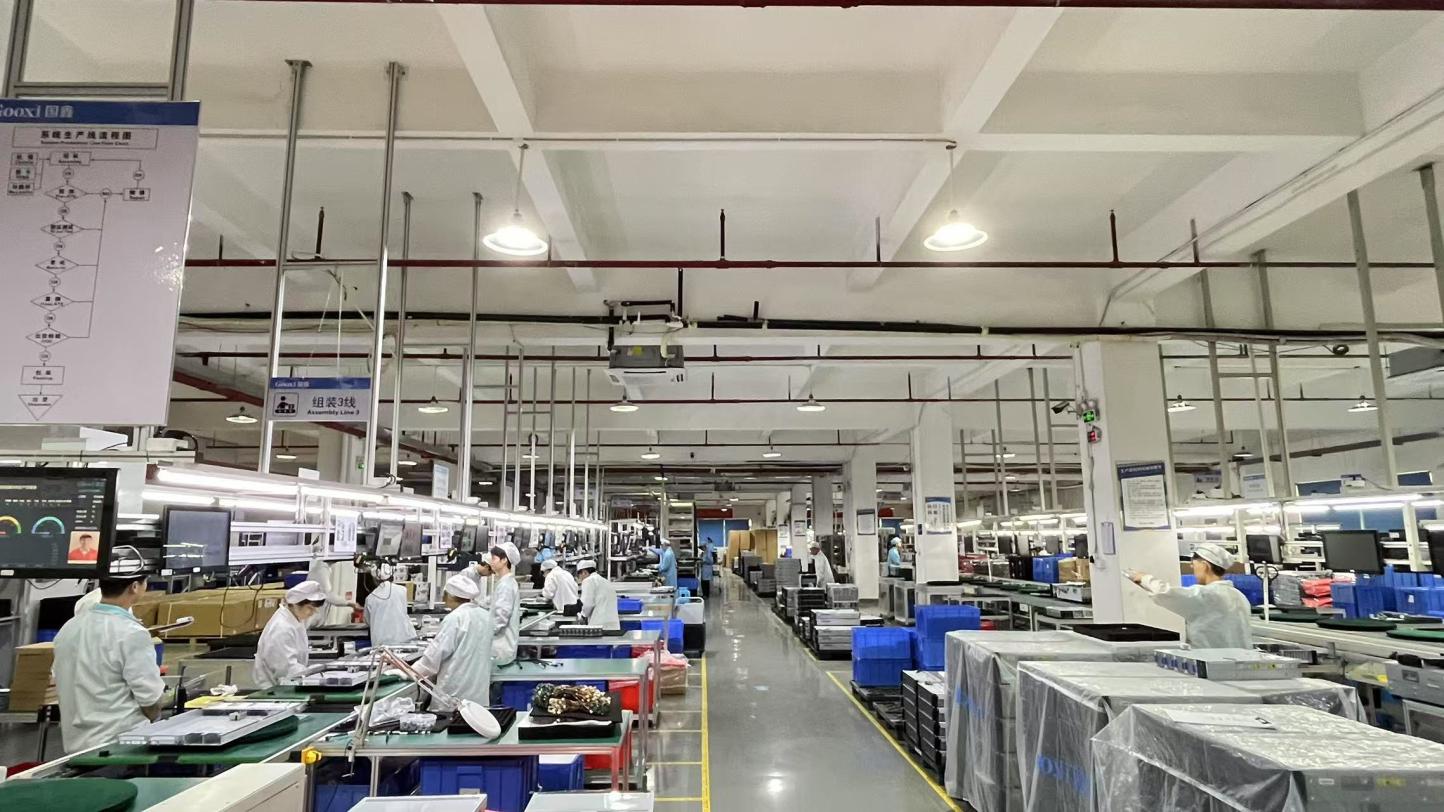
Established in 2016, Klyvora Node Technologies Ltd. is a high-performance computing infrastructure manufacturer specializing in AI GPU server systems, scalable compute clusters, and enterprise-grade data center solutions. Operating a modern production facility with a total building area of approximately 320㎡, we support integrated R&D, assembly, testing, and quality control operations under one roof.
With an annual export revenue ranging between USD 8 million and USD 22 million, over 6 years of export experience, and 11 years of accumulated industry expertise in advanced computing hardware, Klyvora maintains a strong international trade background. We serve major markets including North America, Europe, the Middle East, and Southeast Asia, adapting configurations to regional voltage, climate, and data compliance standards.
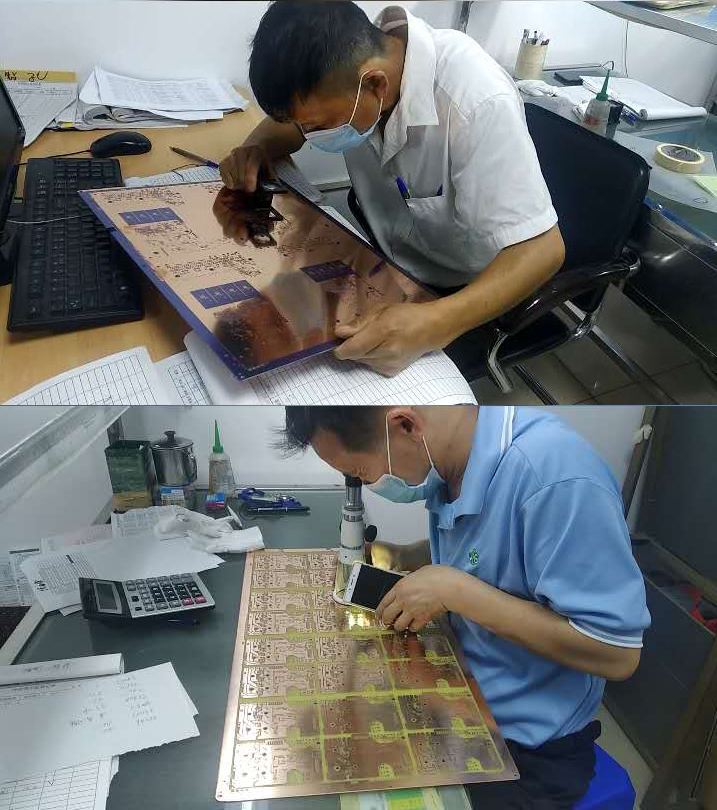
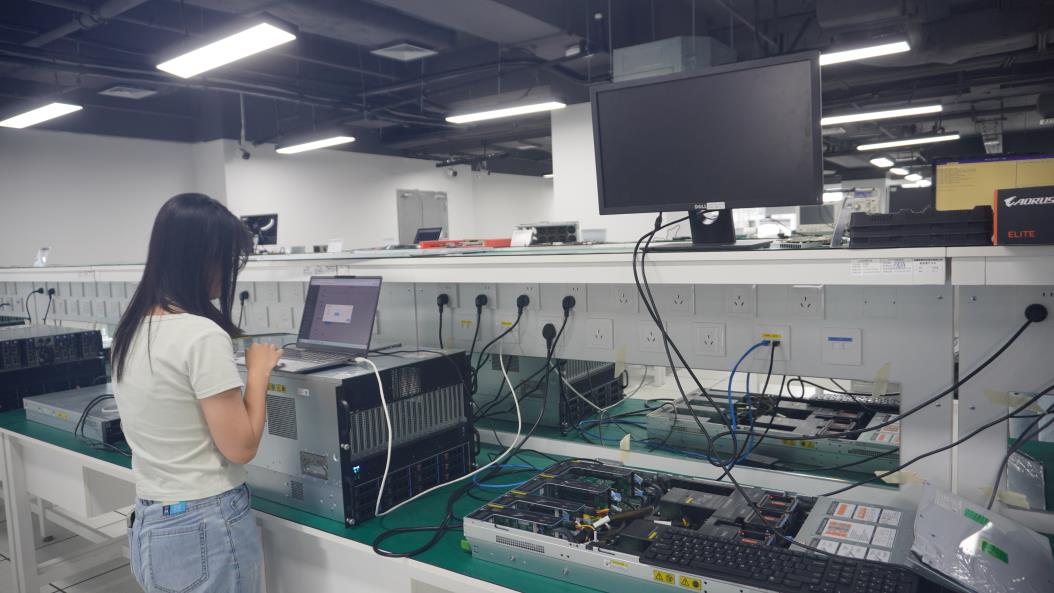
Klyvora Node Technologies employs a structured quality assurance system, combining automated testing methods, burn-in stress testing, and full-system validation procedures. Product inspection methods include thermal performance testing, hardware stress diagnostics, and multi-stage functional verification. Our quality control team consists of approximately 42 dedicated professionals ensuring strict compliance with international manufacturing standards.
Our operation collaborates with a global supply chain network of over 860 partners, enabling stable, priority sourcing of high-grade components such as GPUs, server-grade motherboards, redundant power systems, and advanced cooling solutions. Its primary customer base includes AI research institutions, cloud service providers, enterprise data centers, and HPC solution integrators.
We maintain strong R&D capabilities with a team of around 180 engineers focused on GPU server architecture optimization, liquid cooling innovation, and AI workload acceleration. The company supports a wide range of customization options (OEM/ODM), including customized chassis designs, thermal channel optimization, GPU density optimization, and firmware-level system tuning. In the past year alone, Klyvora has launched approximately 86 new products, keeping pace with next-generation compute requirements.
Deploying High Availability solutions in challenging, real-world regional environments.
Offshore exploration platforms experience high physical vibrations and lack fast internet. We deploy ruggedized 1U servers with redundant SSD storage in RAID-6, allowing continuous local data parsing and analytics. Out-of-band management platforms allow regional IT teams to monitor system vitals via low-bandwidth satellite links.
City utility grids demand ultra-low latency failovers to balance electrical loads safely. Klyvora configured a 2U multi-node active-active cluster utilizing real-time memory mirroring over optical fiber connections. Under simulated node failures, workload redirection completed in under 12 milliseconds, preventing system instability.
During promotional peaks, database locking can freeze checkout systems. We integrated server nodes with high-speed PCIe Gen5 NVMe caches and custom-tailored RAID array cards. High-bandwidth connections distribute the cache layer across three physical server nodes, ensuring zero order dropouts during sudden hardware resets.
The roadmap toward zero-intervention self-healing hardware configurations.
Deploying on-board AI telemetry microchips inside the IPMI controller. By tracking subtle temperature fluctuations, voltage ripples, and memory read error rates, our systems predict fan and DIMM failures up to 72 hours before they occur, triggering automated hot-spare migrations.
As CPU and GPU thermal designs exceed 500W-700W per chip, air cooling reaches its thermodynamic limit. We are integrating pre-configured direct-to-chip liquid loop solutions. This minimizes thermal throttling, which is a major contributor to microcode crashes and unexpected OS reboots.
Future server designs will decouple processor cores from specific RAM slots. By utilizing CXL 3.0 technology, a cluster of servers will access a shared, low-latency pool of physical memory. If a main motherboard fails, a companion server immediately takes over processing without losing the system state resident in RAM.
Get answers to common technical queries concerning high availability hardware exports.
Select from our complete range of specialized server hardware configured for AI workloads, virtualization, and enterprise storage.