Klyvora
Klyvora
Klyvora
High-performance edge compute nodes, enterprise storage, and low-latency network interface cards built for modern Content Delivery Networks.
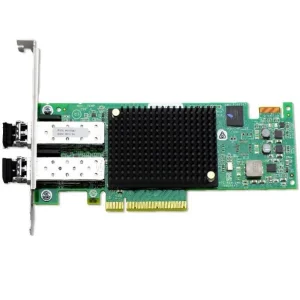
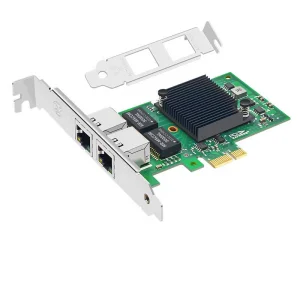
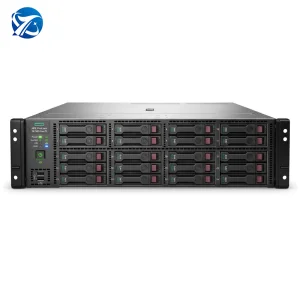
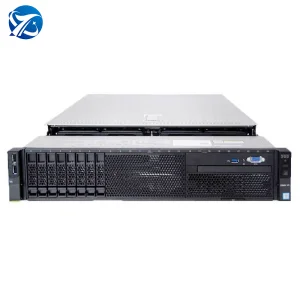
Modern Content Delivery Networks (CDNs) have evolved beyond simple static file caching servers located at regional internet exchange points (IXPs). In the era of real-time 8K video streaming, high-concurrency microservices, edge AI inference (such as DeepSeek LLM routing), and sub-millisecond API responses, the bottleneck of CDN performance has shifted dramatically from network bandwidth alone to **hardware-level I/O throughput, server compute density, and thermal endurance**.
As a premier Content Delivery Network manufacturer and hardware infrastructure supplier, **Klyvora Node Technologies Ltd.** engineers purpose-built enterprise server hardware, high-density edge compute racks, and NVMe-over-Fabrics (NVMe-oF) caching arrays designed specifically for carrier-grade cloud service providers and global CDN networks.
Traditional edge nodes rely heavily on legacy SATA/SAS spinning disks or entry-level SSDs, creating massive TCP latency spikes when hit with concurrent cache invalidation commands or live dynamic content processing. By deploying PCIe 4.0/5.0 NVMe cache tiers coupled with 32GFC Fibre Channel HBAs (such as Emulex LPe35002-M2) and dedicated hardware RAID accelerators (LSI 9560-16i), modern CDN PoPs (Points of Presence) reduce cache-miss origin fetch delays by up to **84%** while delivering 99.999% uptime under extreme DDOS traffic surges.
Modern edge nodes do not merely serve static HTML, JPEG, or MP4 files; they execute complex serverless code, WebAssembly routines, dynamic image optimization, and real-time video transcoding (H.265/AV1). This necessitates enterprise multi-socket server platforms equipped with scalable processors like the Intel Xeon 6th Generation and AMD EPYC families, paired with high-frequency DDR5/6400MT/s RAM.
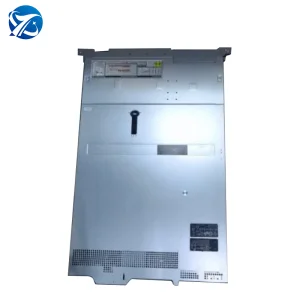
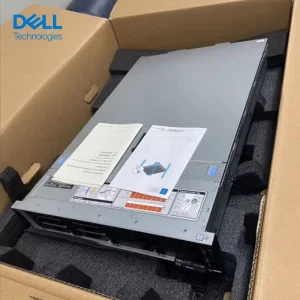
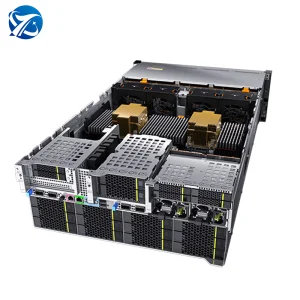
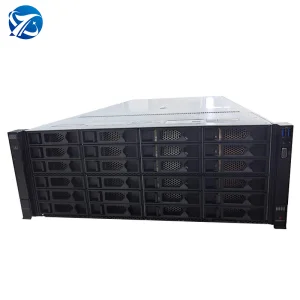
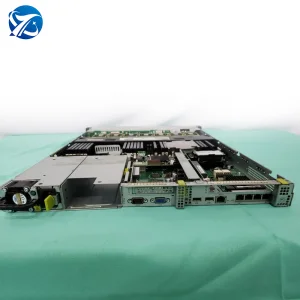
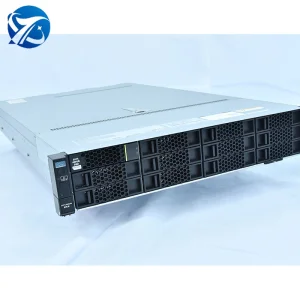
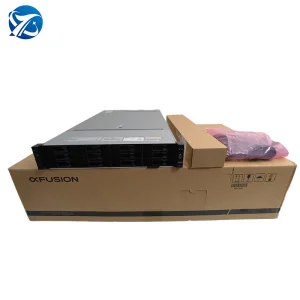
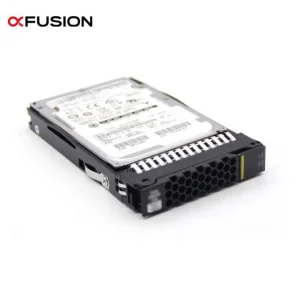
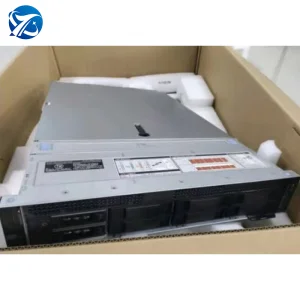
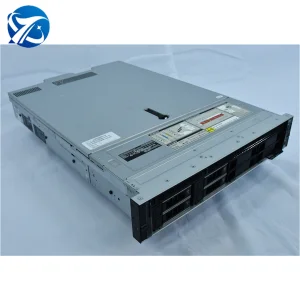
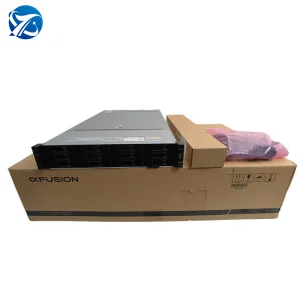
Systems like the **Dell PowerEdge R760XS** and **xFusion FusionServer 2288H V6** provide the thermal headroom and expansion capabilities necessary to run tens of thousands of isolated Docker containers at edge PoPs globally without suffering from thermal throttling or packet dropping during peak load events.
To sustain multi-terabit edge throughput, edge node storage must be architected in distinct operational tiers:
Klyvora Node Technologies Ltd. - Leading the global hardware supply chain for high-performance computing, AI clusters, and CDN infrastructure.
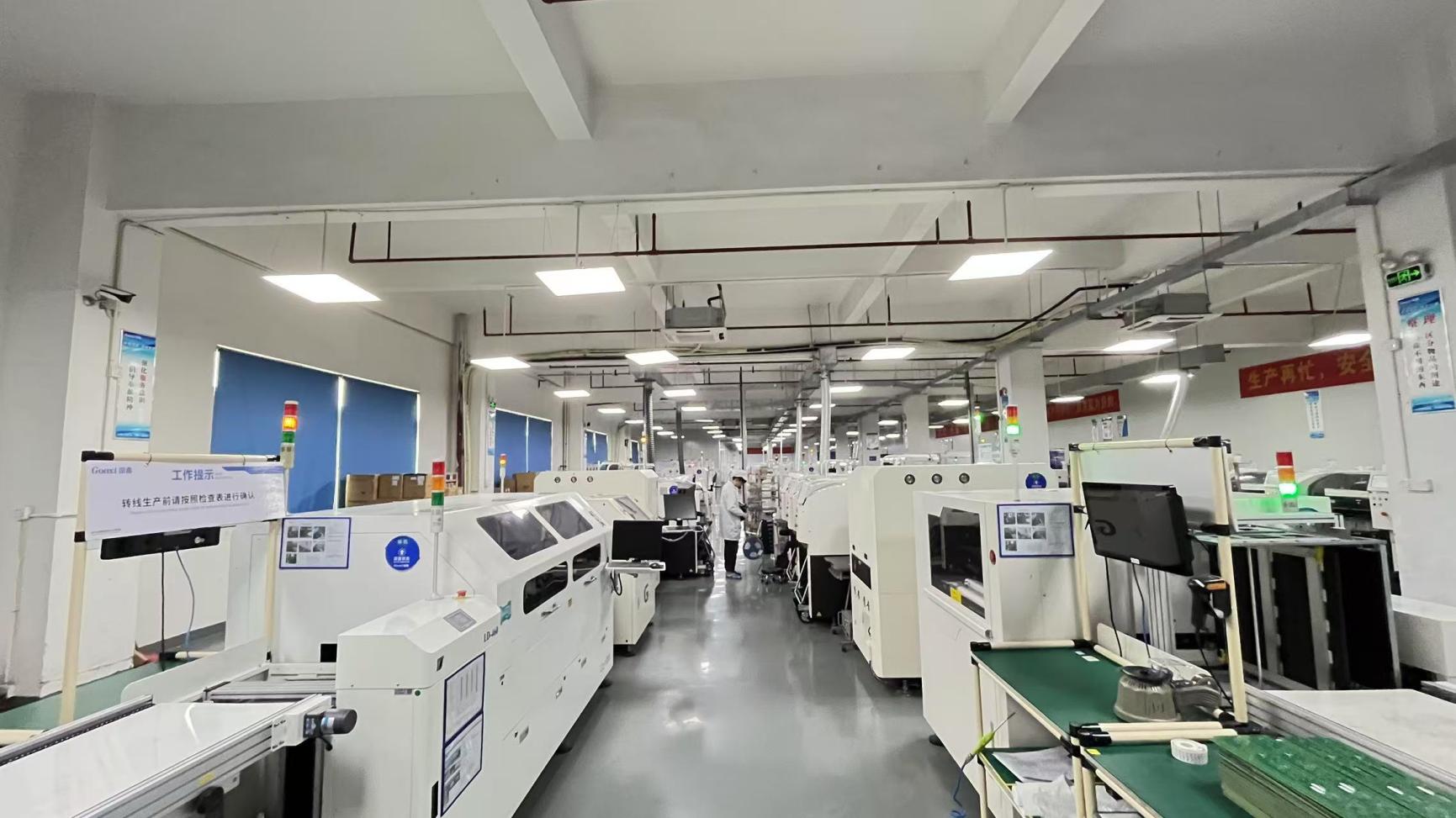
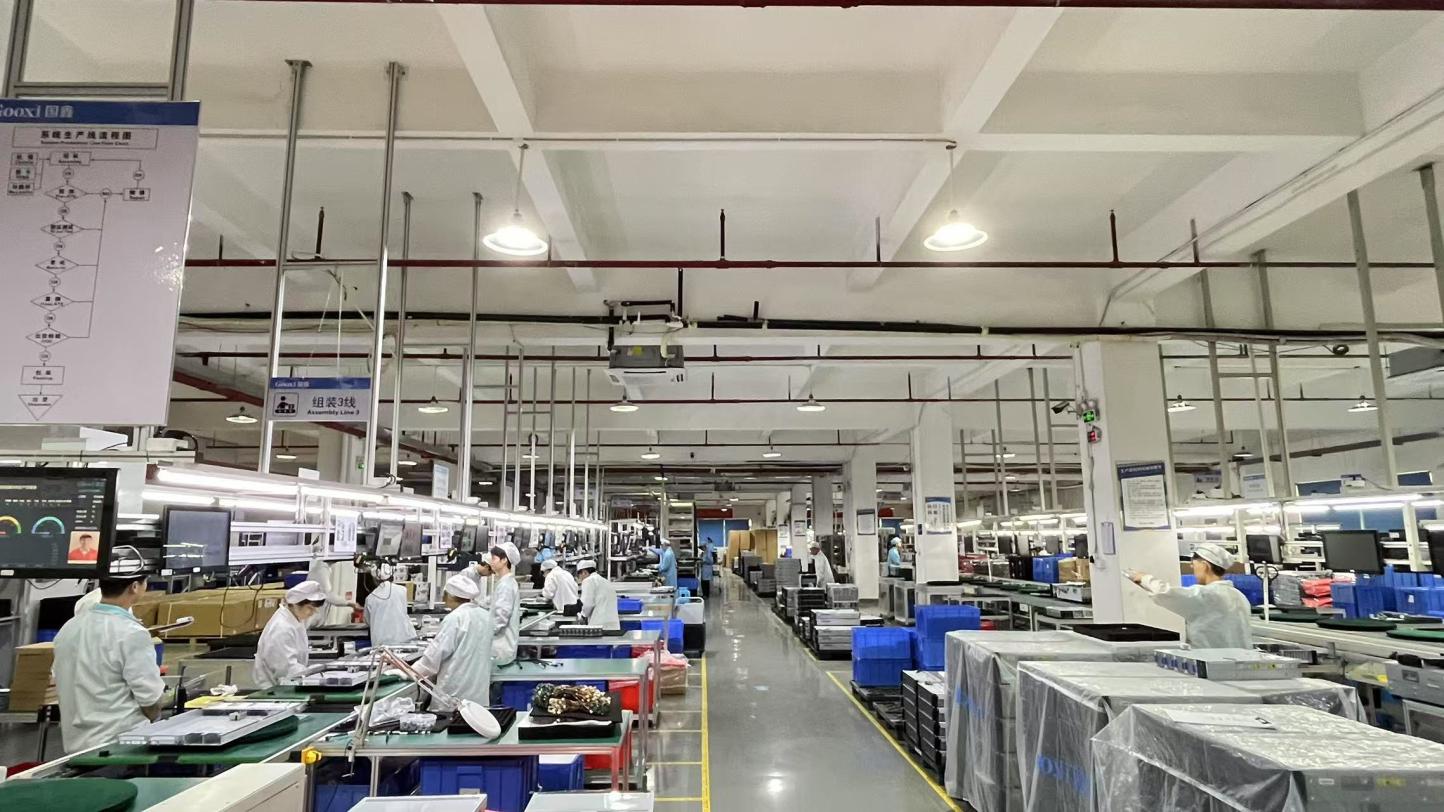
Klyvora Node Technologies Ltd. is a high-performance computing infrastructure manufacturer specializing in AI GPU server systems, scalable compute clusters, and enterprise-grade data center solutions. Established in 2016, the company operates a modern production facility with a total building area of approximately 320㎡, supporting integrated R&D, assembly, testing, and quality control operations.
The company reports annual export revenue ranging between USD 8 million and USD 22 million, with over 6 years of export experience and 11 years of accumulated industry expertise in advanced computing hardware and system integration. Klyvora maintains a strong international trade background and serves major markets including North America, Europe, the Middle East, and Southeast Asia.
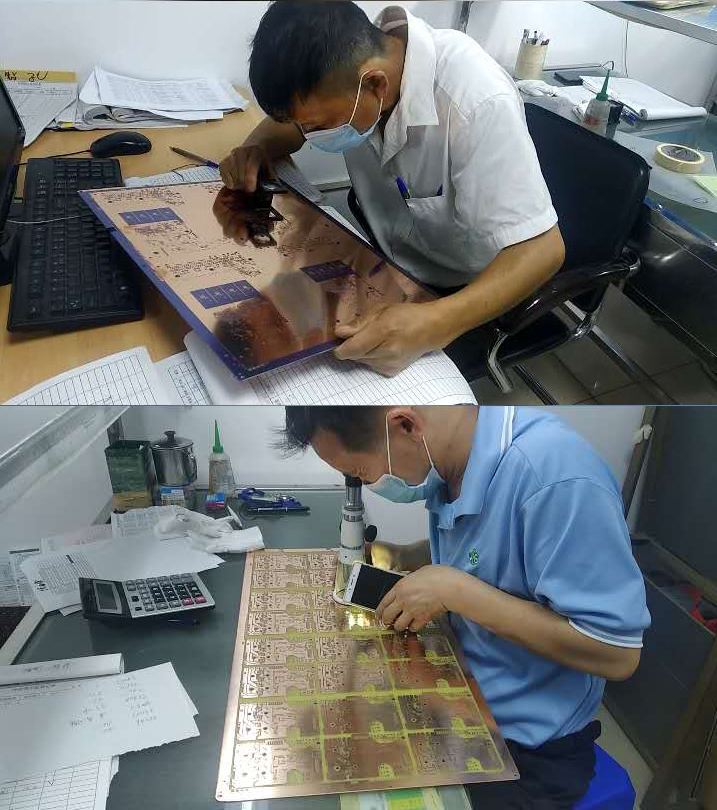
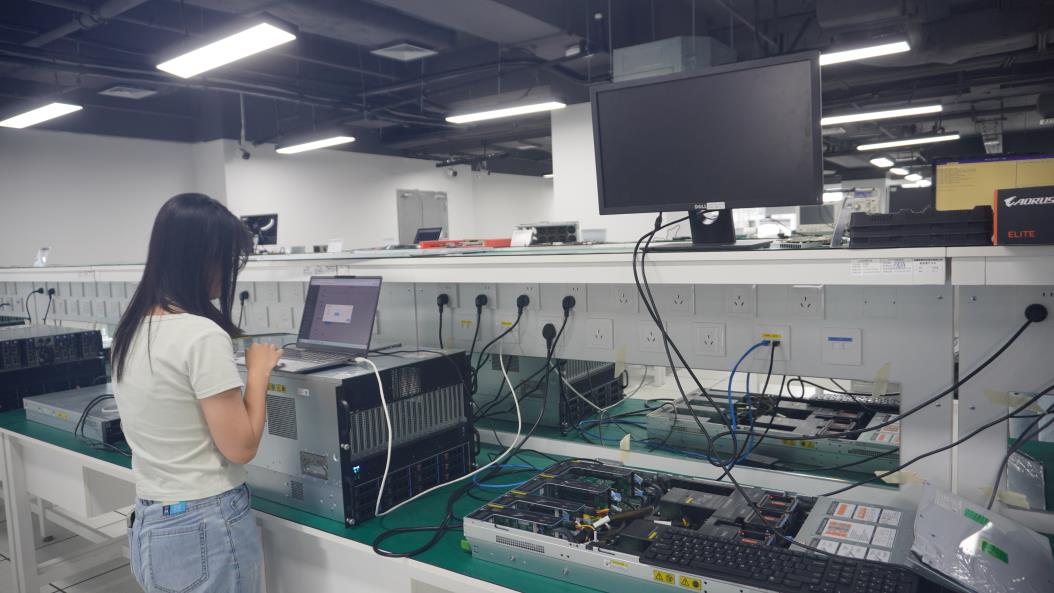
Klyvora Node Technologies employs a structured quality assurance system, combining automated testing methods, burn-in stress testing, and full-system validation procedures. Product inspection methods include thermal performance testing, hardware stress diagnostics, and multi-stage functional verification. The quality control team consists of approximately 42 dedicated professionals ensuring strict compliance with international manufacturing standards.
The company collaborates with a global supply chain network of over 860 partners, enabling stable sourcing of high-grade components such as GPUs, server-grade motherboards, power systems, and cooling solutions. Its primary customer base includes AI research institutions, cloud service providers, enterprise data centers, and HPC solution integrators.
Klyvora maintains strong R&D capabilities with a team of around 180 engineers focused on GPU server architecture optimization, liquid cooling innovation, and AI workload acceleration. The company supports a wide range of customization options, including chassis design, thermal configuration, GPU density optimization, and firmware-level system tuning. In the past year, Klyvora has launched approximately 86 new products, reflecting its continuous innovation in high-density computing systems and next-generation AI infrastructure solutions.
Discover how custom hardware configurations power global cloud architectures across mission-critical enterprise environments.
Deploying HPE ProLiant DL380 Gen11 and xFusion 2288H V6 servers at edge PoPs enables real-time 4K/8K video packet processing, WebRTC streaming, and instant AV1/HEVC transcoding with sub-second buffering times.
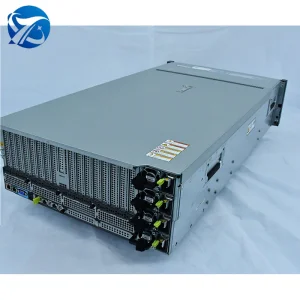
Utilizing high-density GPU nodes like the xFusion 2258 V7 and FusionServer G5500 V6 allows CDN operators to cache LLM inference token outputs directly at edge nodes, dramatically decreasing API round-trip times for global AI applications.
Handling massive transactional spikes during cyber events requires multi-socket Dell PowerEdge servers with high-speed memory modules, guaranteeing 100% database response delivery with zero dynamic page degradation.
The global hardware procurement market for CDN infrastructure, cloud compute clusters, and edge nodes is undergoing a structural transformation. Tier-1 telecommunications carriers, Over-The-Top (OTT) media providers, and sovereign cloud operators are moving away from monolithic vendor lock-in toward customized OEM/ODM modular hardware.
| Regional Market | Primary CDN Hardware Demands | Key Architectural Requirements | Klyvora Compliance & Supply Assurance |
|---|---|---|---|
| North America | AI Edge Acceleration, High-Density 2U GPU Racks | PCIe 5.0, 400G SmartNICs, NVMe-oF Caching Tiers | FCC, UL, RoHS, Direct Logistics Channels |
| Europe (EU) | Data Sovereignty CDN PoPs, Green Data Center Compute | Direct Liquid Cooling (DLC), GDPR-compliant HSM modules | CE, ErP Lot 9 Power Efficiency Compliant |
| Middle East | High-Ambient Temperature Resilient Rack Nodes | Extended Thermal Envelope, Dual Power Redundancy | Custom Chassis Dust Filtration & Burn-in Validation |
| Southeast Asia | Scalable Cost-Optimized Edge Storage & Content Nodes | Hot-swappable 2.5"/3.5" SATA/SAS Arrays, Modular Motherboards | Rapid OEM Customization & Local Spare Parts Supply |
Operating a global Content Delivery Network requires meeting stringent regional security standards and localized technical support SLAs. Klyvora Node Technologies integrates enterprise security and regulatory readiness directly into the hardware manufacturing process.
All Klyvora edge nodes and customized motherboard configurations feature hardware-level Trusted Platform Module (TPM 2.0) chips and Secure Boot cryptographic signature validation. This guarantees that edge servers deployed in remote, unmanned Point of Presence (PoP) locations remain resilient against physical tamper attacks, rogue firmware injection, and unauthorized side-channel monitoring.
Our manufacturing workflows adhere strictly to international enterprise regulations including ISO 9001 (Quality Management), ISO 14001 (Environmental Standards), CE, FCC, RoHS, and WEEE. For healthcare and financial edge caching applications, our infrastructure supports full HIPAA and PCI-DSS hardware audit compliance.
As bandwidth demands scale exponentially toward 800G optical backbones and real-time AI agents become ubiquitous, CDN hardware architecture must adapt rapidly. Klyvora Node Technologies’ R&D team of 180+ engineers is pioneering three critical architectural transformations:
Transitioning high-density GPU edge nodes (up to 100kW per rack envelope) from traditional forced-air systems to closed-loop liquid cooling, reducing Power Usage Effectiveness (PUE) to under 1.15.
Leveraging Compute Express Link (CXL) 3.0 technology to disaggregate DDR5 memory pools across rack nodes, allowing edge servers to share latency-critical cache tables instantly without network hop overhead.
Integrating programmable SmartNICs directly onto server PCIe risers to offload TLS decryption, packet filtering, and BGP routing algorithms entirely from CPU core cycles.
Technical and procurement answers for enterprise IT directors, cloud architects, and hardware procurement managers.
Explore additional rack servers, storage platforms, and GPU nodes for enterprise CDN deployments.