Klyvora
Klyvora
Klyvora
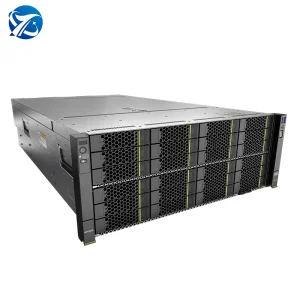
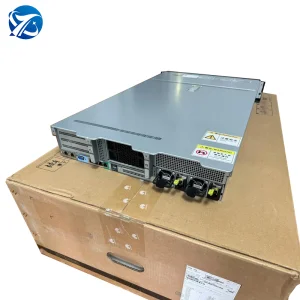
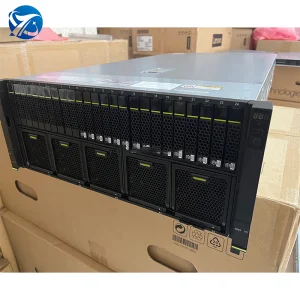
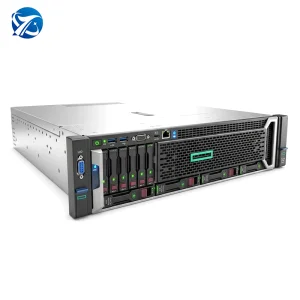
Pre-configured hyperconverged nodes, high-density NVMe solid-state storage, and advanced deep learning GPU servers deployed by top global enterprises.
Analyzing the transition from public cloud architectures to self-managed, bare-metal clusters under absolute data sovereignty.
For more than a decade, enterprise IT strategy was dominated by public cloud solutions. However, in 2024 and 2025, global enterprises are undergoing a significant cloud repatriation movement. This transition is motivated by unpredictable egress fees, lack of granular control over processing hardware, and strict regulatory standards regarding digital boundaries. Modern companies are looking to deploy workloads in local micro-datacenters or private facilities where performance can be optimized for specific applications.
The primary driver behind this architectural redirection is the emergence of generative AI and Large Language Models (LLMs) such as DeepSeek-R1. Running large models in public multi-tenant clouds leads to continuous high usage costs and data privacy concerns. By shifting workloads to private bare-metal configurations, organizations can run tasks locally while maintaining strict data governance. Selecting the right hardware components and manufacturers in China ensures scalable performance and controlled total cost of ownership (TCO).
A breakdown of high-performance compute elements, memory bus bandwidths, and low-latency interconnects.
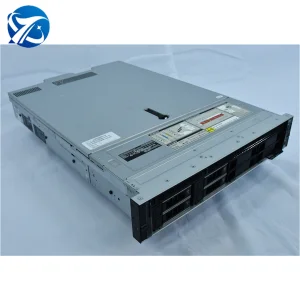
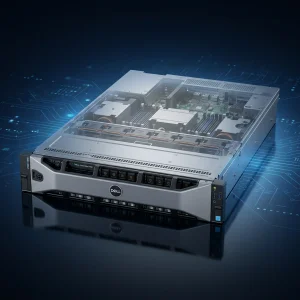
Modern private clouds are built on Hyperconverged Infrastructure (HCI), which integrates computing power, storage, and networking into single, scalable nodes. Selecting components requires matching core counts, PCIe lane layout, memory channels, and thermal capabilities with intended software requirements.
| Workload Type | Compute Architecture | Memory Requirements | Storage Interface | Network Topologies |
|---|---|---|---|---|
| Enterprise ERP & Web Databases | Dual-Socket Intel Xeon Scalable (e.g., Xeon 4410Y) | 128GB - 512GB DDR5 ECC | PCIe Gen4/Gen5 NVMe U.2 / SAS SSDs | 2x 10GE Base-T + 2x 25GE SFP28 |
| HCI Virtualization Pools | High Core Count AMD EPYC / Intel Xeon 5th/6th Gen | 512GB - 2TB DDR5 (Up to 5600 MT/s) | All-Flash NVMe SSDs (PM9A3 Series) | 4x 25GE SFP28 / 100GE RoCEv2 |
| AI Fine-Tuning & Inference | Multi-GPU Racks (OAM / PCIe GPU Host Servers) | 512GB - 4TB System RAM + HBM3 | Ultra-Dense PCIe Gen5 NVMe Array | 100G/200G InfiniBand or Dual 100G RoCEv2 |
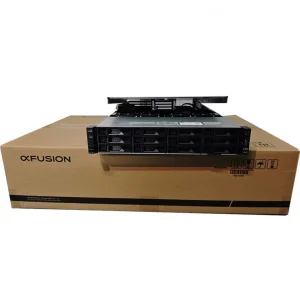
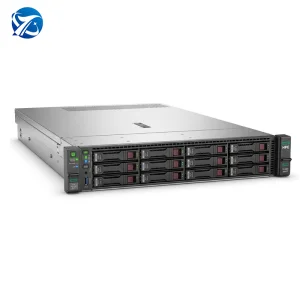
| Distributed Object Storage | Single/Dual-Socket Entry Core Density (High PCIe Lane Count) | 64GB - 256GB Server-Grade RAM | High-Density LFF Drive Arrays (12x 3.5") | 2x 10GE / 25GE Optical Links |
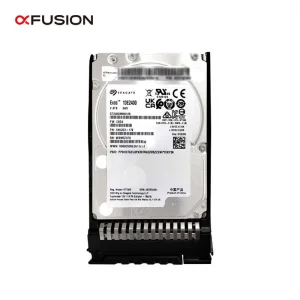
Understanding storage bottlenecks is key. Legacy SATA interfaces limit modern IOPS. Implementing PCIe Gen5 NVMe architectures, such as the PM9A3 series, allows enterprises to achieve over 7,000 MB/s per drive. This throughput prevents processor starvation during intensive database index operations and distributed training cycles.
Enterprise solutions tailored for finance, healthcare, and research computing environments.
Optimized for processing transactions, risk analysis, and ledger recording. Employs hardware-level encryption, Intel SGX (Software Guard Extensions), and redundant hot-swap storage arrays to secure sensitive records and meet regulatory requirements.
Designed for secure PACS medical imaging, diagnostic workloads, and HIPAA-compliant patient portals. Utilizes GPU-accelerated computing nodes to process complex datasets and train medical analysis models locally.
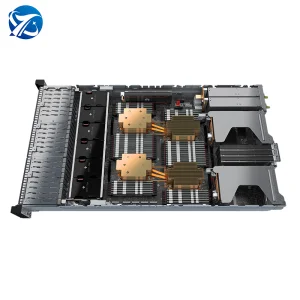
Optimized for processing large neural networks and training workloads locally. Combines liquid-to-air cooling options, high-density PCIe lanes, and unified software tooling to support high-utilization, low-latency applications.
The evolutionary trajectory of liquid-to-chip interfaces, hardware architectures, and AI cluster design.
As server processors run at higher temperatures, air cooling alone is becoming insufficient. High-density rack configurations are shifting to Direct-to-Chip (D2C) liquid cooling. This methodology permits dissipation of up to 1000W TDP per socket, maintaining silicon stability and preventing thermal throttling.
Additionally, modern systems are moving away from proprietary architectures toward open standards. Incorporating standardized Open Compute Project (OCP) layouts and Universal Baseboard standards allows for flexible multi-generation system scaling and simpler hardware maintenance cycle strategies.
Hardware optimization is only one aspect of a deployment; orchestrating hardware pools efficiently is just as critical. Integrated baseboard management controller (BMC) chips support standard Redfish APIs for managing virtualized storage, networking, and security. Enterprise deployments utilize container platforms, such as Kubernetes, running directly on bare-metal systems to maximize performance and improve hardware efficiency.
Examining Klyvora Node Technologies' modern facilities, supply chain integration, and custom configuration capabilities.
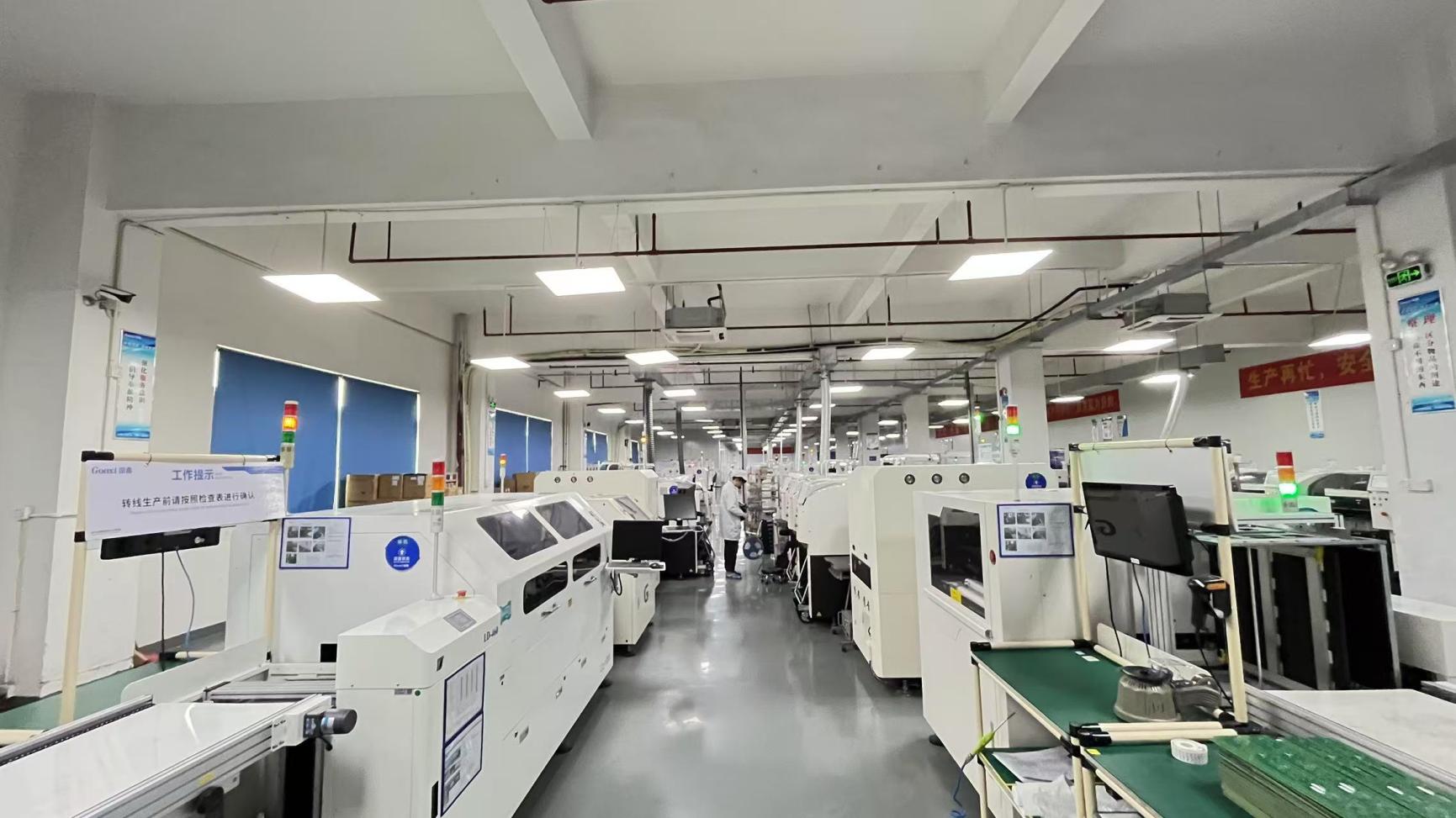
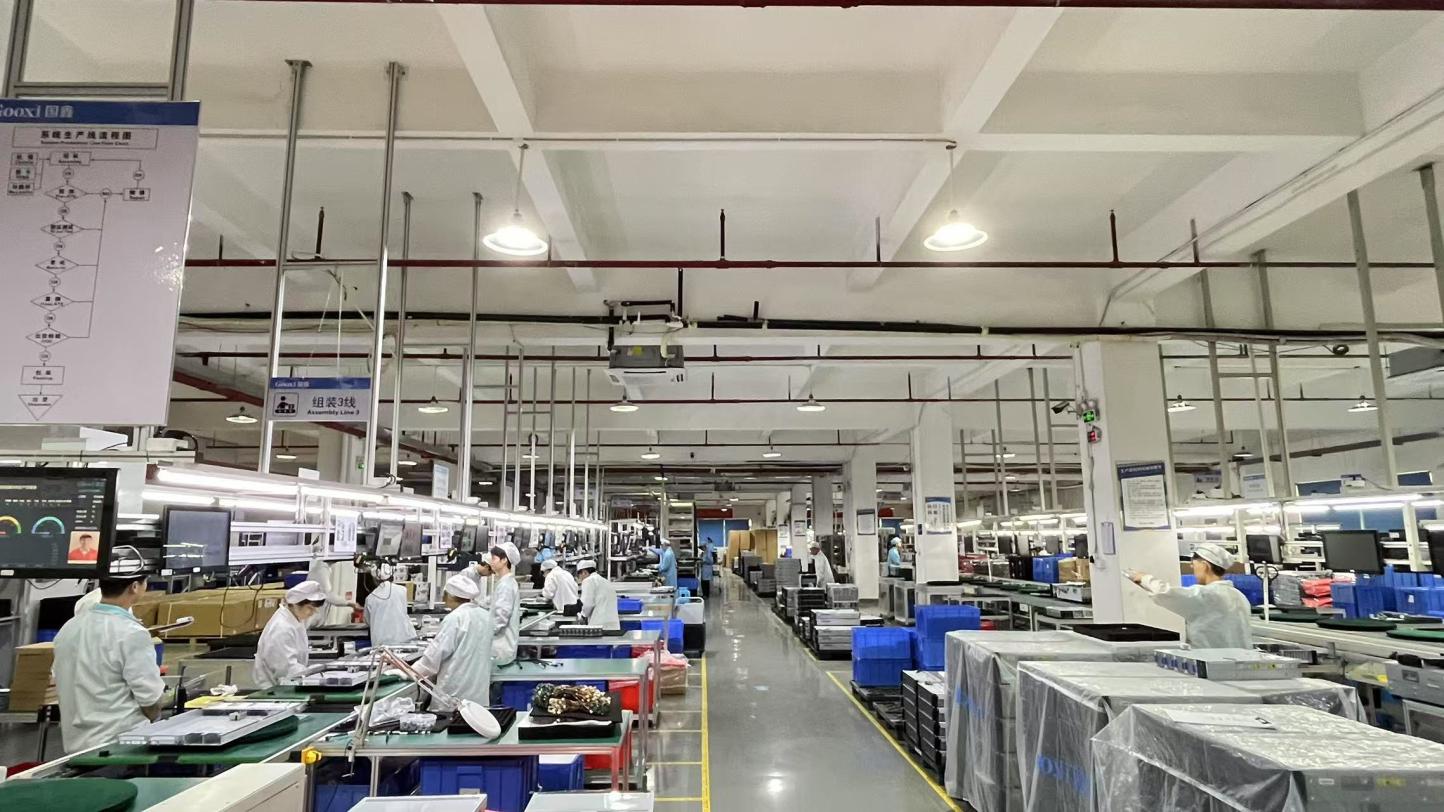
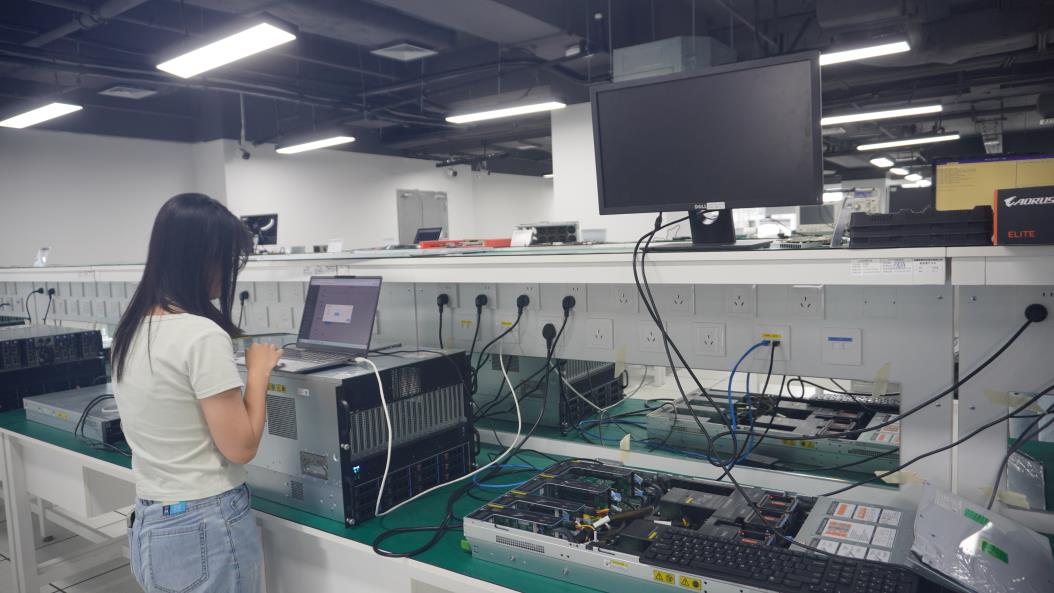
Klyvora Node Technologies Ltd. is a high-performance computing infrastructure manufacturer specializing in AI GPU server systems, scalable compute clusters, and enterprise-grade data center solutions. Established in 2016, the company operates a modern production facility with a total building area of approximately 320㎡, supporting integrated R&D, assembly, testing, and quality control operations. This specialized facility serves as an agile hub, allowing for rapid customization and prototyping before scaling orders through a broader component assembly pipeline.
To support global deployments, Klyvora maintains stable commercial relationships. The company reports annual export revenue ranging between USD 8 million and USD 22 million, with over 6 years of export experience and 11 years of accumulated industry expertise in advanced computing hardware and system integration. Klyvora maintains a strong international trade background and serves major markets including North America, Europe, the Middle East, and Southeast Asia.
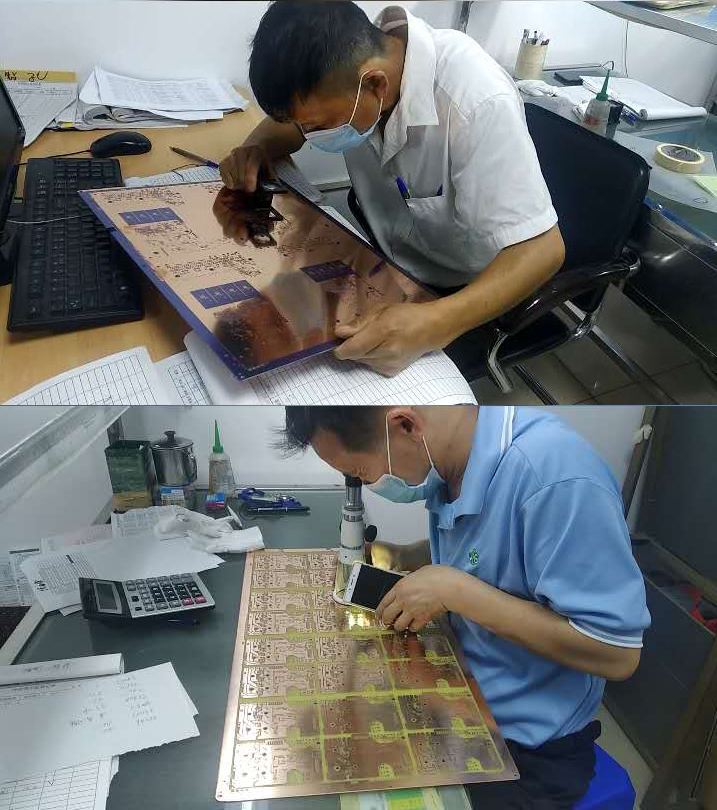
Klyvora Node Technologies employs a structured quality assurance system, combining automated testing methods, burn-in stress testing, and full-system validation procedures. Product inspection methods include thermal performance testing, hardware stress diagnostics, and multi-stage functional verification. The quality control team consists of approximately 42 dedicated professionals ensuring strict compliance with international manufacturing standards.
The company collaborates with a global supply chain network of over 860 partners, enabling stable sourcing of high-grade components such as GPUs, server-grade motherboards, power systems, and cooling solutions. Its primary customer base includes AI research institutions, cloud service providers, enterprise data centers, and HPC solution integrators.
The company maintains strong R&D capabilities with a team of around 180 engineers focused on GPU server architecture optimization, liquid cooling innovation, and AI workload acceleration. The company supports a wide range of customization options, including chassis design, thermal configuration, GPU density optimization, and firmware-level system tuning. In the past year, Klyvora has launched approximately 86 new products, reflecting its continuous innovation in high-density computing systems and next-generation AI infrastructure solutions.
Ensuring cross-border compliance, hardware security certification, and global support workflows.
Every motherboard, CPU, memory module, and storage interface is logged from production through deployment. This tracking ensures clear provenance and meets audit standards for enterprise security policies.
Manufacturing systems meet CE, FCC, and RoHS standards. Hardware designs incorporate TPM 2.0 security chips, ensuring firmware verification and protecting against physical data intrusion.
Global support agreements cover key regions including North America, Europe, and Southeast Asia. Partners provide access to replacement components and remote engineering support to ensure continuous operations.
Technical guidance and answers to common infrastructure integration questions.
A1: PCIe Gen5 NVMe storage doubles the data throughput compared to PCIe Gen4, which reduces data transfer wait times. In hyperconverged setups, this extra speed helps prevent storage performance issues when running multiple virtual machines concurrently on a single node.
A2: The 320㎡ facility is used for design engineering, initial testing, and prototyping. Scale production is managed through a supply network of over 860 partners, allowing the company to ramp up hardware assembly for large enterprise orders.
A3: Yes, Klyvora products are certified under CE, FCC, and RoHS standards. The company supports exports to North America, Europe, and the Middle East, with configuration profiles designed to meet local energy efficiency and safety regulations.
A4: Klyvora provides customization options for PCIe slot layouts, card pitch spacing, and power delivery setups. Systems can be configured with specialized power distribution units (PDUs) and cooling brackets to support heavy GPU cards running demanding models like DeepSeek-R1.
A5: Yes, they support common virtualization technologies including VMware ESXi, Proxmox VE, Microsoft Hyper-V, and OpenStack, allowing them to fit into existing enterprise data center setups.
Complete your hybrid deployment with rack-mount servers, high-density DDR5 architectures, and custom computing nodes.