Klyvora
Klyvora
Klyvora
High-efficiency PSUs, advanced multi-GPU storage servers, and high-performance server architectures configured to optimize operational PUE.
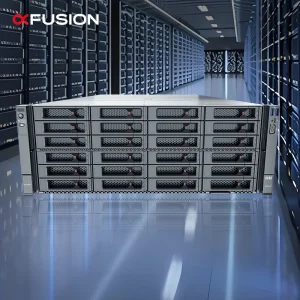
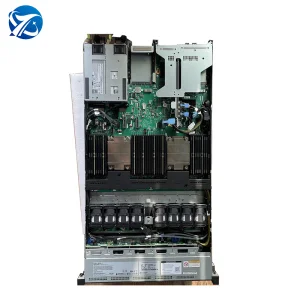
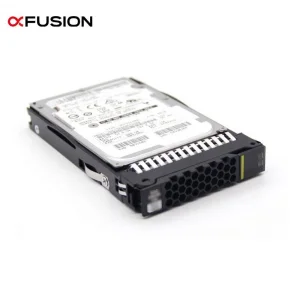
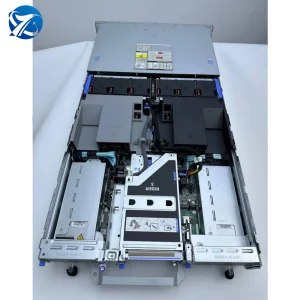
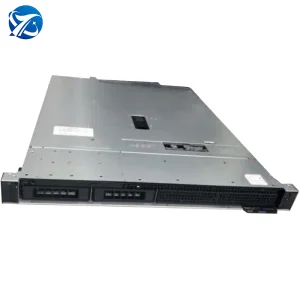
A technical perspective on modern computing hardware, AI orchestration capabilities, and our industrial footprints.
As global data requirements grow exponentially, enterprises face challenges balancing computational power with power usage effectiveness (PUE). Modern infrastructure must handle dense artificial intelligence, high-frequency storage, and heavy data transfers without sacrificing efficiency. Klyvora Node Technologies Ltd. designs and manufactures performance-focused computing infrastructure, supplying AI GPU systems, storage arrays, and custom data center hardware globally.
Established in 2016, Klyvora provides complex system integration, advanced thermal configurations, and robust component sourcing. With years of experience and export volume reaching between USD 8 million and USD 22 million annually, we support research organizations, hyperscalers, and enterprises across North America, Europe, the Middle East, and Southeast Asia.
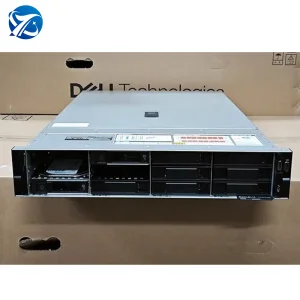
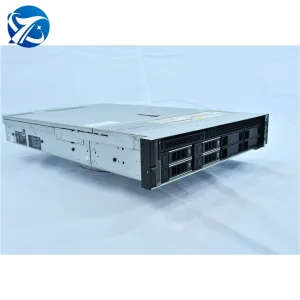
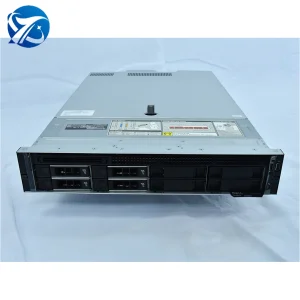
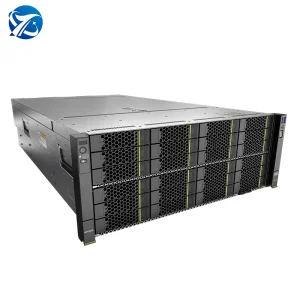
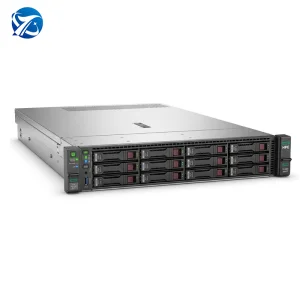
Selecting appropriate enterprise hardware involves matching compute workloads to thermal, energy, and chassis limitations. Whether you deploy FusionServer, Dell PowerEdge, or HPE ProLiant nodes, system efficiency relies on power supply calibration, network backplane integration, and quality control metrics.
How procurement teams evaluate hardware compatibility, cooling capacities, and TCO reduction strategies.
Enterprise environments require long-term hardware reliability. Every system component must run through multi-phase thermal and diagnostics tests, ensuring components like PM893 SSDs and Emulex Host Bus Adapters function securely under steady compute loads.
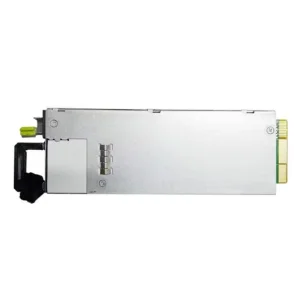
High-density installations require optimized power delivery. Utilizing Titanium and Platinum grade power supplies (900W to 2000W) minimizes current loss and heat buildup within the chassis, improving the site's overall Power Usage Effectiveness.
Organizations require flexible, tailored layouts. From sizing GPU workstations and rack density configs to modifying customized BIOS parameters, we build hardware aligned with specific workload requirements.
Combining automated diagnostic processes, component verification, and partnerships to keep hardware delivery times stable.
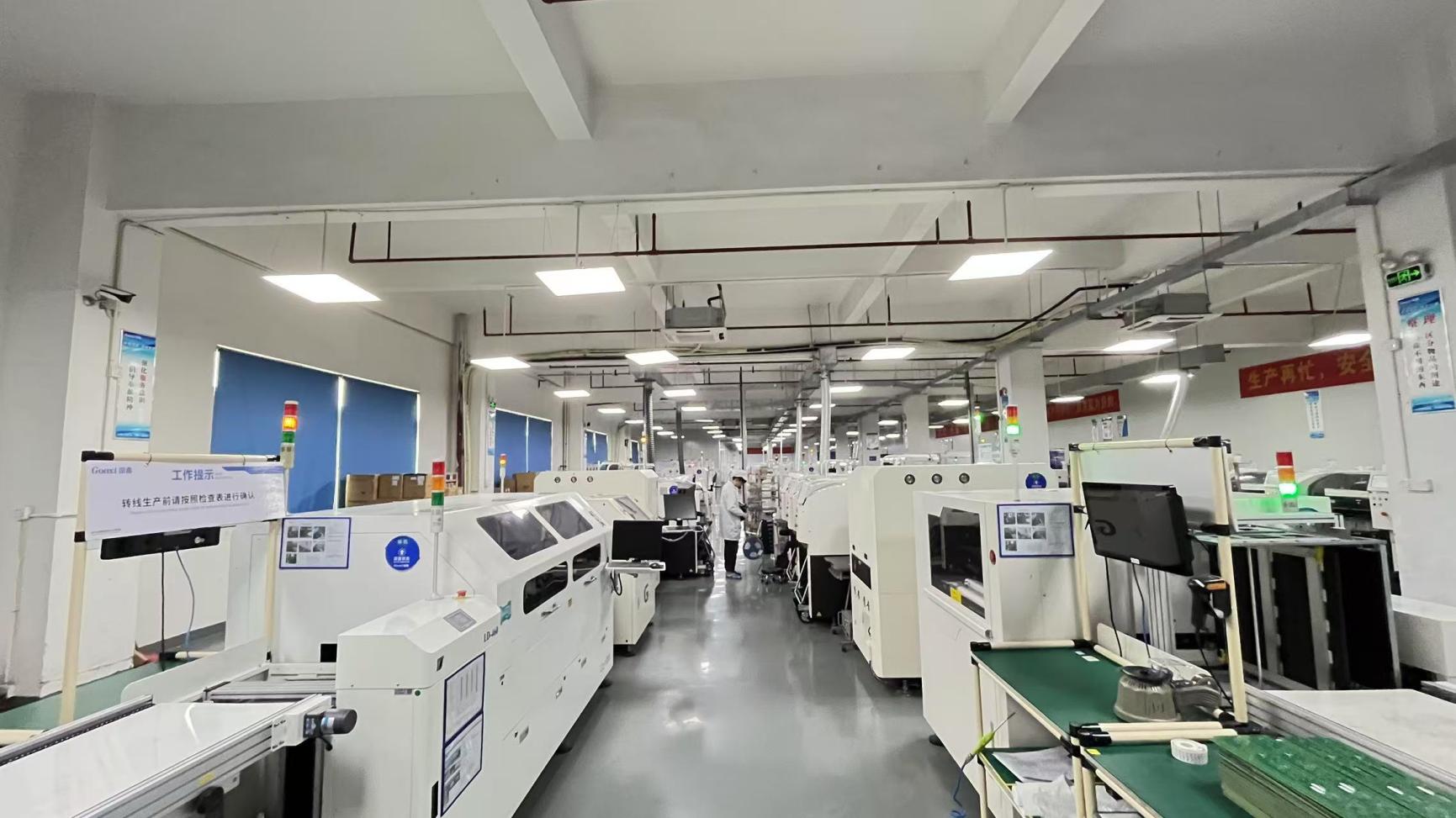
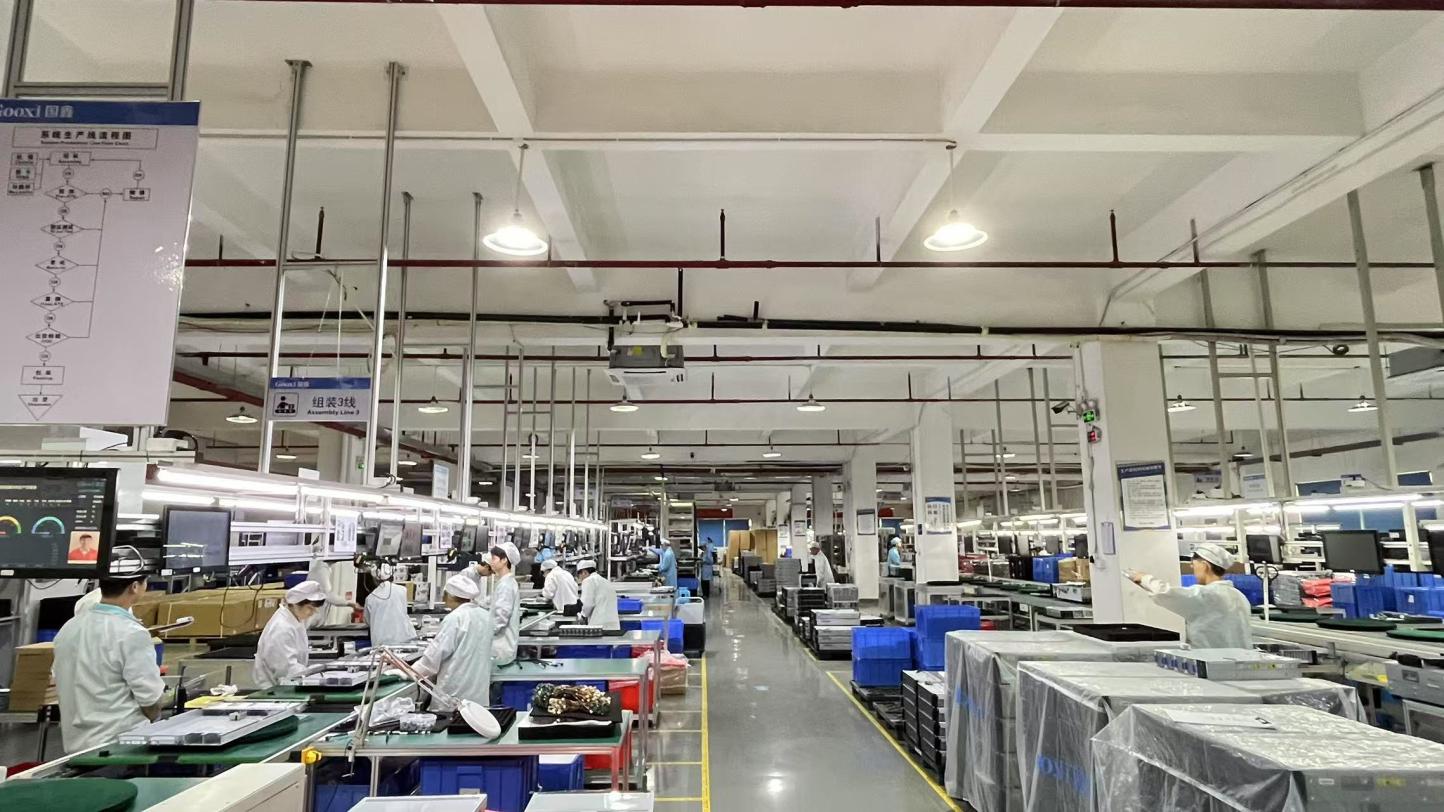
Our assembly facility features dedicated R&D workspaces and integrated testing labs. Although the physical integration layout operates inside a 320㎡ space, it is optimized for high-complexity, low-footprint custom assemblies. This focus allows us to coordinate assembly and quality validation loops effectively.
A network of over 860 upstream and downstream suppliers provides Klyvora with stable access to essential components, including processors, DRAM, PCIe cards, and dedicated GPUs. This network helps maintain stable production timelines despite global component shortages, giving purchasers predictability in planning node rollouts.
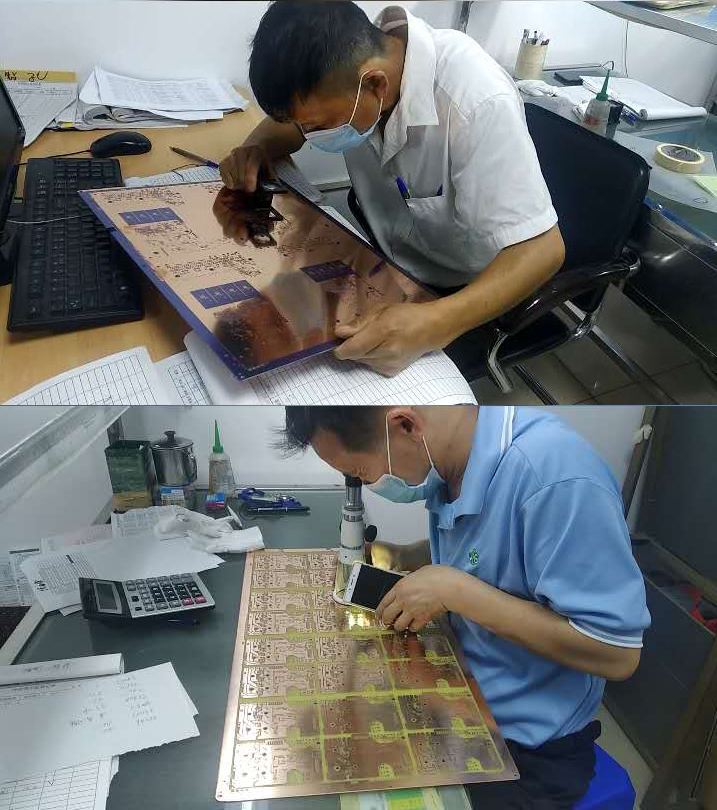
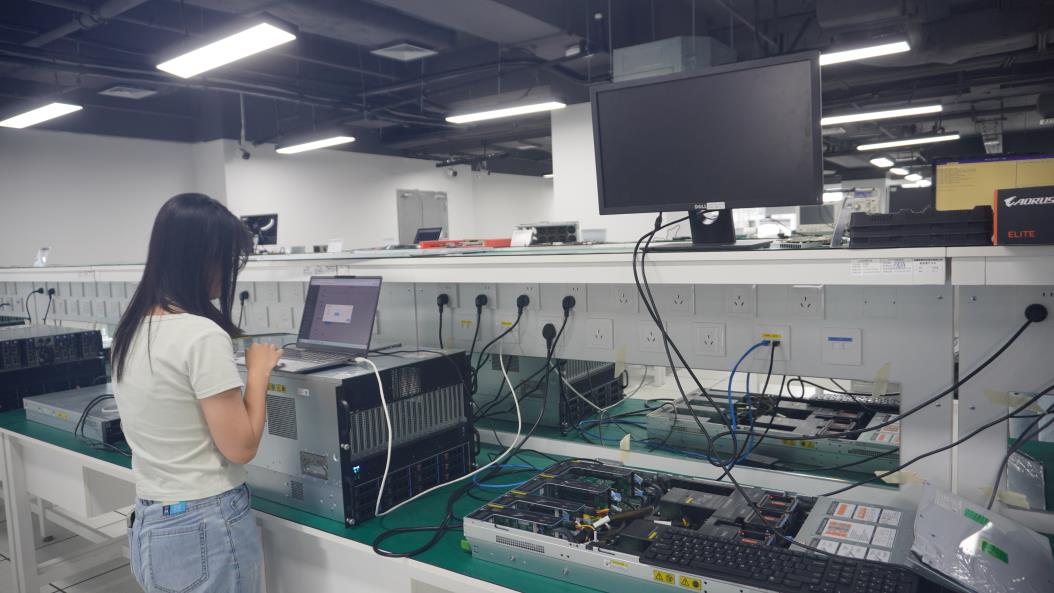
Additionally, Klyvora's 42 quality engineers implement standard test routines, such as high-temperature soak tests and data verification runs across each storage interface. This process limits DOA risks and ensures compatibility across various server environments.
Whether integrating high-end SSDs, host bus adapters, or dual-socket motherboard arrays, components undergo visual checkouts, electrical validation, and firmware alignment before final build.
Standard configurations engineered to optimize density and thermal dissipation across enterprise workloads.
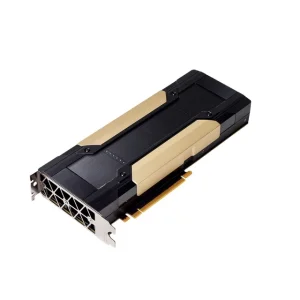
Deploying deep learning clusters requires high PCIe lane density and low latency interconnects. Multi-GPU servers are designed to handle models like DeepSeek, utilizing high-efficiency PSUs to keep workloads stable during compute spikes.
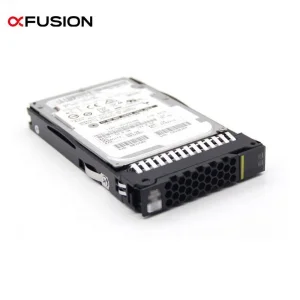
Enterprise storage nodes combine flash performance with SATA capacities. Implementing server SSDs like the PM893 Series provides sustained read-intensive performance with the latency consistency needed for database applications.
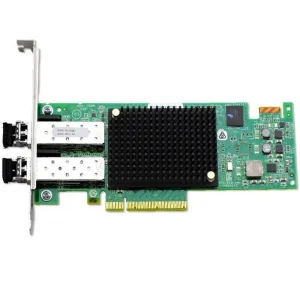
Connecting multiple nodes requires reliable host bus adapters. Using Emulex HBA 32Gb/s FC interfaces provides high throughput and low-latency data paths between compute servers and storage arrays.
How Klyvora plans to adapt to rising TDP requirements, PCIe Gen 6 standards, and hybrid liquid-air cooling.
Increasing chip capabilities push modern server TDP bounds past standard air cooling limits. Standard 1U and 2U rack enclosures struggle to dissipate heat using standard chassis fans. Klyvora's engineering roadmap prioritizes Direct-to-Chip (D2C) liquid cooling modules and closed-loop liquid cooling configurations. By routing liquid loops to hot spots on compute nodes, these systems can sustain performance without thermal throttling.
To prevent performance bottlenecks at the CPU-GPU boundary, we are refining our motherboard and riser cards to handle PCIe Gen 6 transmission speeds. Incorporating Compute Express Link (CXL) allows dynamic memory sharing between processors and accelerators, reducing latency in memory-heavy databases and distributed calculations.
Modern server power units must adapt to shifting computational demands. Under-provisioned power delivery can cause system resets or component damage. Our next-generation power systems feature digital PMBus telemetry, allowing dynamic monitoring of power consumption, input phase balancing, and system safety protections.
Aligning with RoHS and WEEE directives, we use lead-free soldering and low-emission assembly processes. This focus helps customers meet strict environmental compliance requirements while ensuring physical recycling is possible at product end-of-life.
Ensuring international operations meet local regulations, EMI standards, and diagnostic rules.
Exporting enterprise equipment requires meeting varied regulatory standards. Klyvora ensures shipments comply with local standards, including CE, FCC, RoHS, and CCC. This process limits import delays and ensures hardware fits standard data center environments globally.
Additionally, we supply comprehensive user manuals, detailed electrical drawings, and firmware updates to simplify integration. Standardizing system documentation helps local facility staff deploy and service nodes efficiently.
Hardware components and systems are tracked by serial number from initial manufacturing through final QA. This tracking system allows us to pinpoint component batches quickly if technical inquiries arise, providing rapid troubleshooting and component replacement support.
Our engineering team also offers remote diagnostic assistance, helping local operations teams verify and configure network fabrics and storage setups after initial system delivery.
Direct answers to common technical, design, and customization questions about our server products.
Our 900W, 1500W, and 2000W Platinum-grade power supplies utilize wide-range auto-switching input circuitry (typically 100V to 240V AC). This design allows compatibility with common data center power distributions, including 200-240V high-line setups, while optimizing power efficiency under heavy load conditions.
Yes. We support pre-loading target environments, including Red Hat Enterprise Linux, Rocky Linux, Ubuntu Server, and VMware ESXi. Pre-load services include updating hardware firmware, setting BIOS preferences (such as enabling virtualization features), and running test boots before shipping.
Every drive (such as PM893 series SSDs) undergoes diagnostic testing, write-read speed verification, and SMART checkouts. We test drive performance under high internal temperatures to verify data integrity and prevent drop-offs during continuous system loads.
We supply fully compatible memory upgrades, storage drives, network interface cards, and host bus adapters (such as Emulex 32Gb/s cards). These components are certified to run on target platforms without triggering system alerts or violating server warranty guidelines.
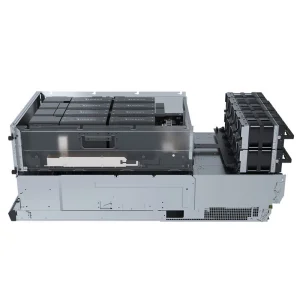
For GPU platforms, we use specialized internal wind tunnels, high-RPM pulse-width modulation (PWM) fans, and optimized heat sink configurations. This layout guides cool air directly across accelerator cards, preventing localized heat pockets and maintaining steady system temps.
Through our R&D engineering team, we assist with structural sheet metal modifications, custom PCIe backplane routing, custom front panel branding, and special rail kit setups. We tailor hardware configurations to fit non-standard rack depths or custom space requirements.
High-density computing servers, enterprise storage drives, and multi-port network adapters built for demanding applications.