Klyvora
Klyvora
Klyvora
Ensure zero downtime with our high-availability computing platforms, enterprise-grade AI clusters, and hot-swappable storage units configured for real-time disaster recovery systems.
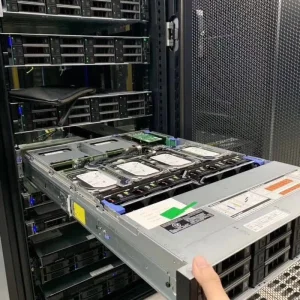
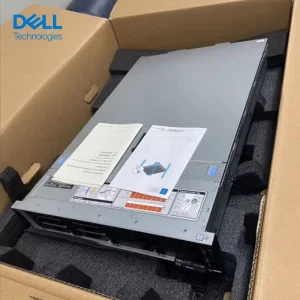
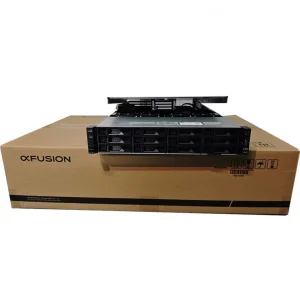
In the digital-first economy, the architecture of Business Continuity Solutions is undergoing a tectonic shift. Historically characterized by slow, offline tapes and periodic batch backups, today's mission-critical workloads demand instantaneous failover capabilities (Active-Active clustering), continuous availability (CA), and massive processing headroom to host emergent technologies like artificial intelligence (such as DeepSeek AI architectures). Hardware-level reliability is the bottom line for avoiding costly business interruptions.
"True business continuity is not a software protocol; it is the physical resilience of the core infrastructure. If the underlying server hardware cannot survive thermal surges, grid instability, or massive read-write cycles, the system's failover architecture becomes obsolete."
China has established itself as the global epicenter for advanced hardware-level business continuity design. Chinese manufacturers leverage an unmatched industrial ecosystem to deliver reliable, customizable, and high-performance server clusters. Key strategic manufacturing advantages include:
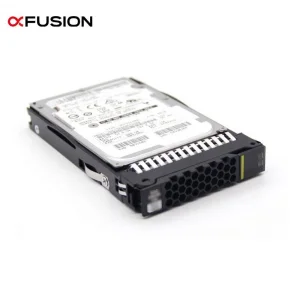
Disaster recovery requires high write-performance and low read latency. Enterprise components, such as SATA 6Gb/s PM893 enterprise-grade SSDs, play a vital role here. These drives are optimized for read-intensive, high-availability environments. They allow servers to capture log files, perform real-time data replication, and maintain hot-standby databases without database choking.
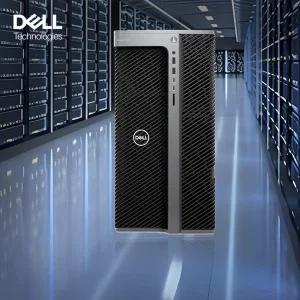
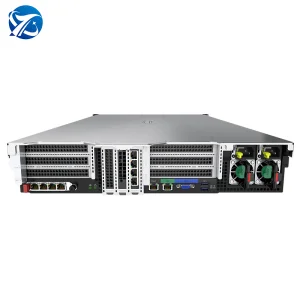
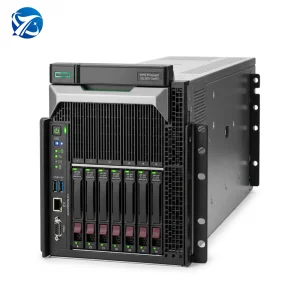
Modern servers, such as the xFusion 2288H V7 and Dell PowerEdge R760/R960 series, act as the compute nodes that orchestrate data traffic. Equipped with multi-channel DDR5 memory running at up to 6400MT/s, they provide the necessary memory bandwidth to transition workloads instantly from a failing primary cluster to an active secondary cluster without disrupting active client sessions.
The convergence of High-Performance Computing (HPC) and artificial intelligence workloads (such as DeepSeek AI model hosting) has introduced new challenges for disaster recovery solutions. In 2025, business continuity no longer means just keeping a database alive; it requires maintaining large language model (LLM) inference nodes during power failures or regional fiber outages.
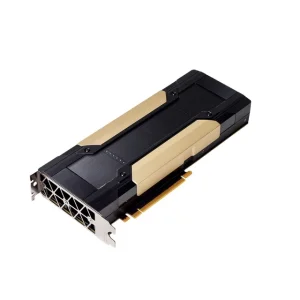
To address this, next-generation platforms like the FusionServer G5500 V7 and Dell PowerEdge DeepSeek AI GPU servers incorporate hardware-level redundancy. These features include hot-swappable N+1 power supplies, dual-grid power lines, and PCIe Gen5 interfaces. This architecture allows companies to transition AI compute sessions gracefully across servers without losing the state of live model runs.
A deep dive into our advanced R&D processes, production capabilities, and robust quality control metrics.
Klyvora supports a team of around 180 engineers focused on GPU server architecture optimization, liquid cooling systems, and hardware-level AI workload acceleration. We provide wide customization options, including specialized chassis designs, optimized thermal layouts, and custom firmware-level tuning.
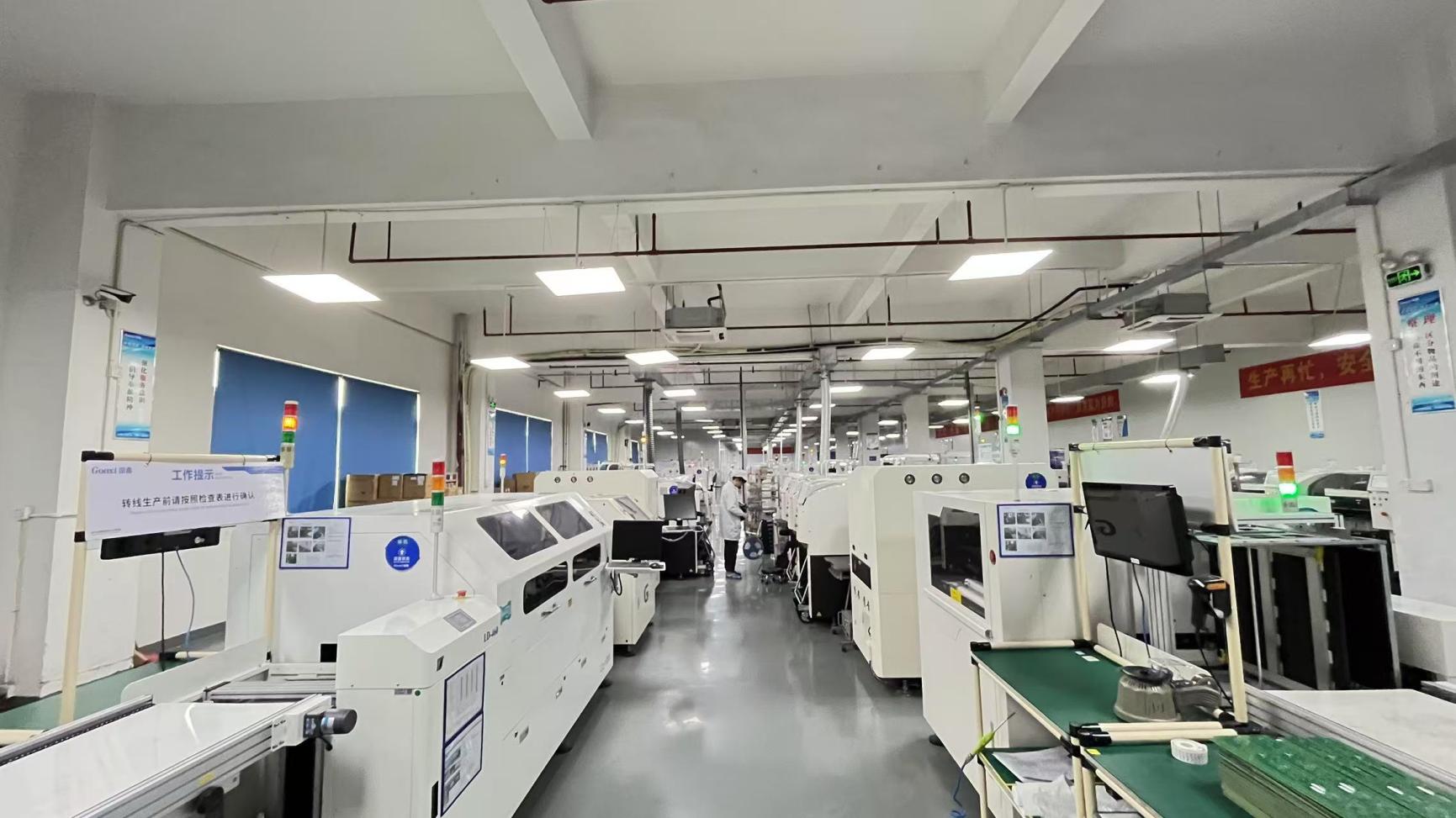
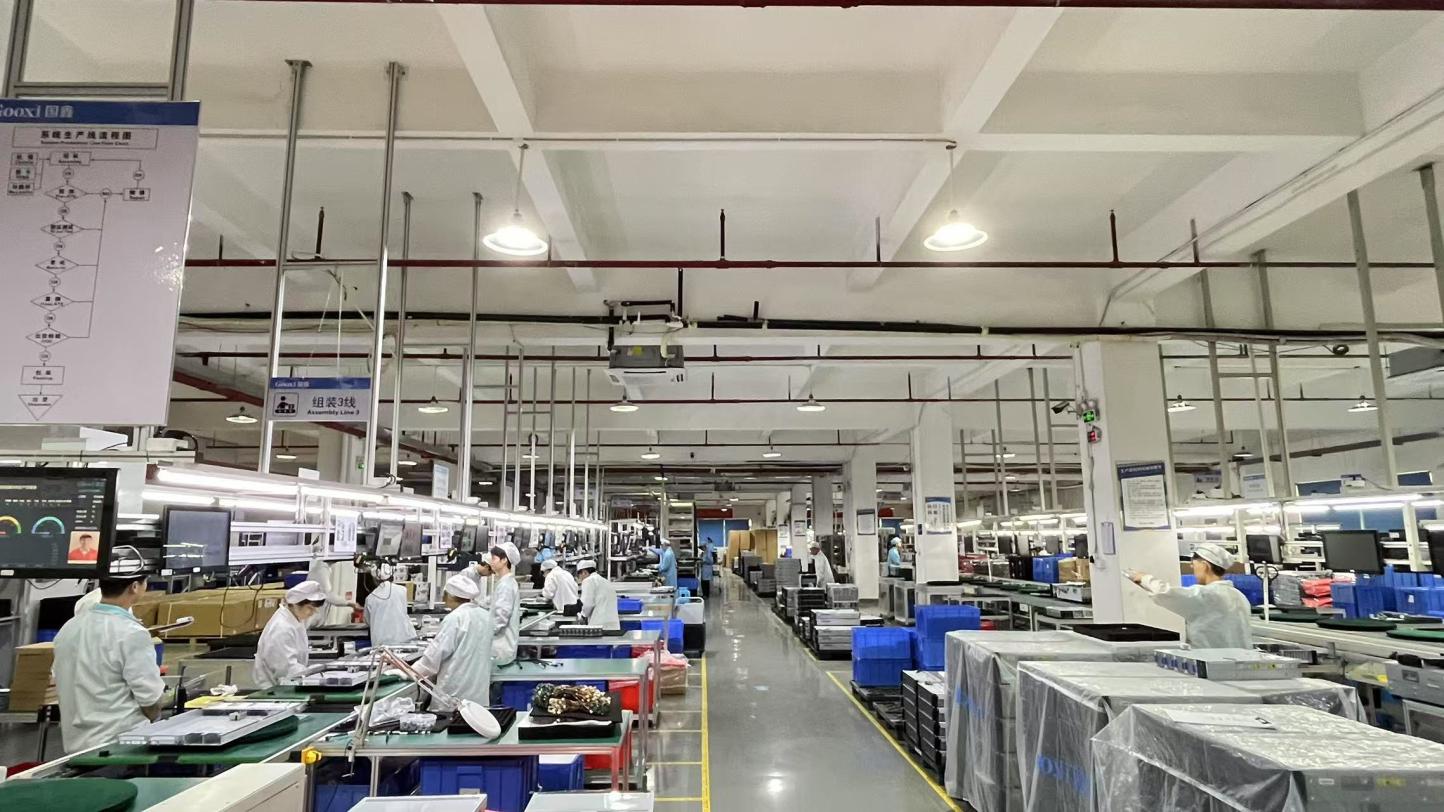
Established in 2016, Klyvora operates a modern production and system integration facility with a building area of approximately 320㎡. This site supports integrated R&D, precision assembly, complex stress testing, and final quality control operations for high-density compute systems.
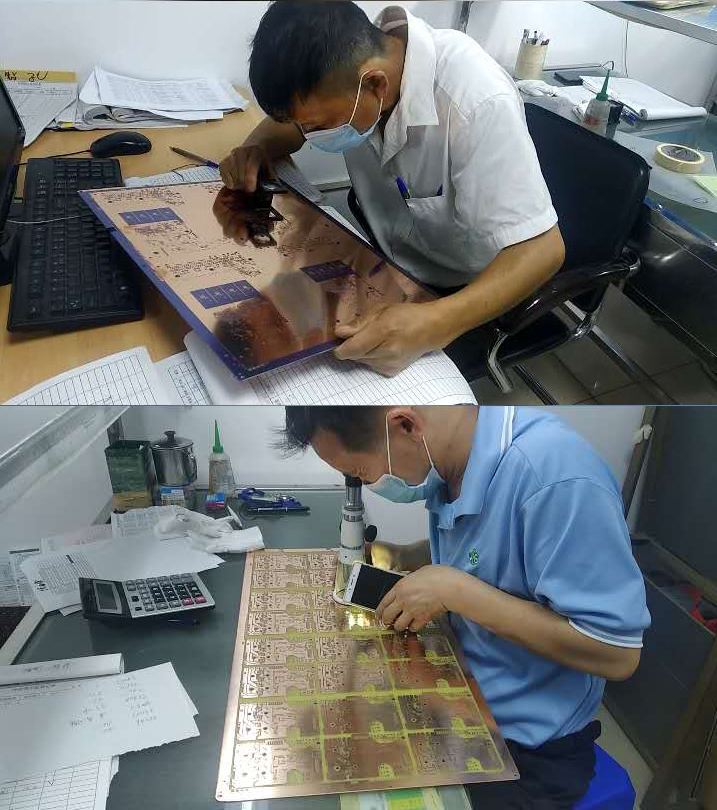
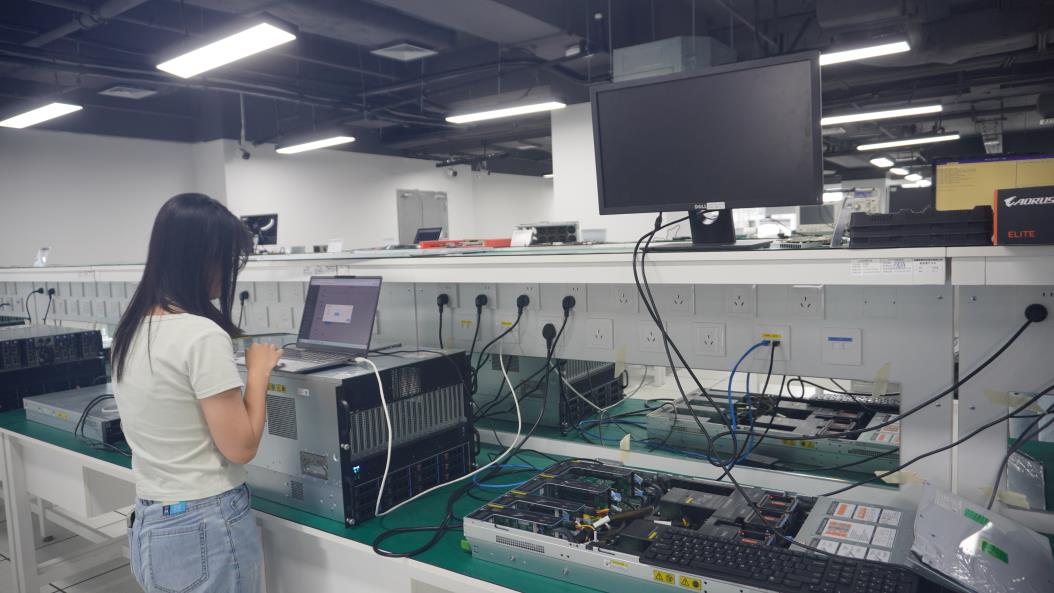
Our quality control team consists of approximately 42 dedicated professionals. We run a structured system combining automated testing, high-temperature burn-in trials, thermal performance testing, hardware stress diagnostics, and multi-stage functional verification.
Enterprise disaster recovery and business continuity architectures require configurations tailored to specific operational demands. High-density servers and enterprise component integrations allow us to build solutions tailored to various use cases.
In financial environments, microseconds count. A database failover window must complete within milliseconds to prevent massive losses. Our configurations utilize active-active failover servers combined with PM893 read-intensive SSD arrays. This setup ensures that transactional ledgers are updated concurrently across redundant data sites without introducing processing bottlenecks.
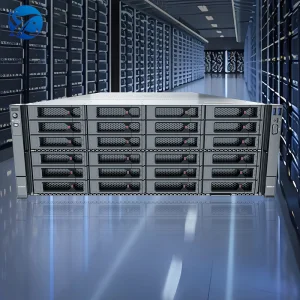
For cloud infrastructures hosting massive AI pipelines (such as the DeepSeek 671B model configurations), a hardware failure could wipe out days of training progress. Our multi-GPU server setups, including FusionServer 5288 V6 and Dell PowerEdge R760xs units, support hardware state-saving. This allows compute layers to switch seamlessly to redundant nodes if a GPU engine fails.
Healthcare providers require continuous database availability. System architectures must protect electronic medical records (EMR) against ransomware attacks and hardware faults. By deploying dual-socket Intel Xeon 6th Generation R670 servers combined with hot-swappable NVMe/SATA storage pools, hospitals ensure uninterrupted access to patient records, keeping recovery time objectives (RTO) near zero.
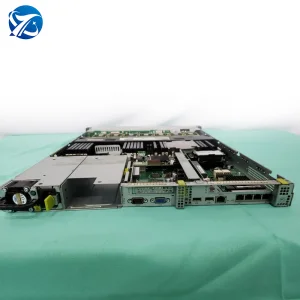
Explore the rest of our hardware portfolio, including deep-learning engines, storage expansion components, and refurbished server nodes optimized for secondary site backup systems.
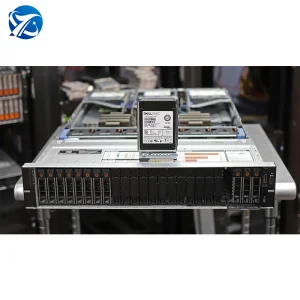
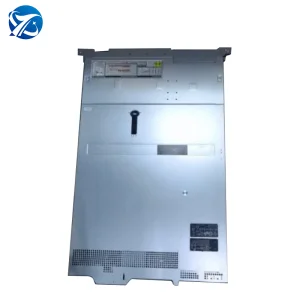
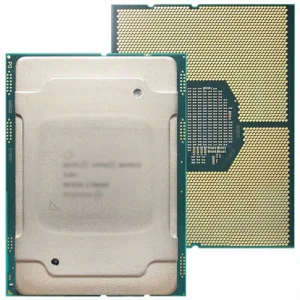
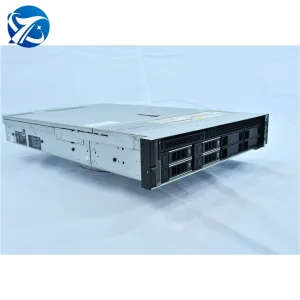
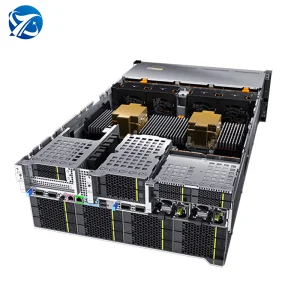
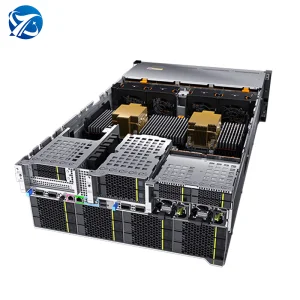
Klyvora operates a high-precision, modern integration facility supporting full system testing, burn-in processes, and advanced quality verification.
Read our detailed Q&A to understand hardware selections, manufacturing lead times, and quality control procedures.