Klyvora
Whitepaper: Industrial Architecture & Supply Chain Dynamics of Global Server Memory
The modern digital landscape, propelled by high-density deep learning computations and massive multi-tenant virtualization layers, depends fundamentally on a reliable, low-latency, and highly scalable memory architecture. Choosing the appropriate server memory factories and exporter networks is not merely an operational transaction; it is a vital pillar of strategic infrastructure. Selecting memory solutions designed to reduce System Level Failures (SLF) and enhance Mean Time Between Failures (MTBF) ensures hardware systems yield maximum computing performance and sustained hardware uptime.
1. The Global Server Memory Procurement Landscape
For B2B procurement managers, IT directors, and cloud infrastructure engineers, the global server memory market presents unique challenges. Memory modules—comprising registered DIMMs (RDIMMs), load-reduced DIMMs (LRDIMMs), and emerging technologies such as Compute Express Link (CXL)—directly impact server TCO (Total Cost of Ownership). High-performance processors require memory that can maintain bandwidth limits under continuous thermal load. Exporters play a critical role in this chain, certifying memory modules using original Tier-1 DRAM silicon wafers (Samsung, SK Hynix, Micron) and tailoring the EEPROM and PCB trace architectures to meet strict server OEM specifications.
Critical B2B Memory Procurement Metrics
Signal Integrity & JEDEC Standard Compliance: Off-spec timing margins are the leading cause of silent data corruption in mission-critical applications. Compliance with JEDEC specifications ensures exact compatibility across varying server chipsets.
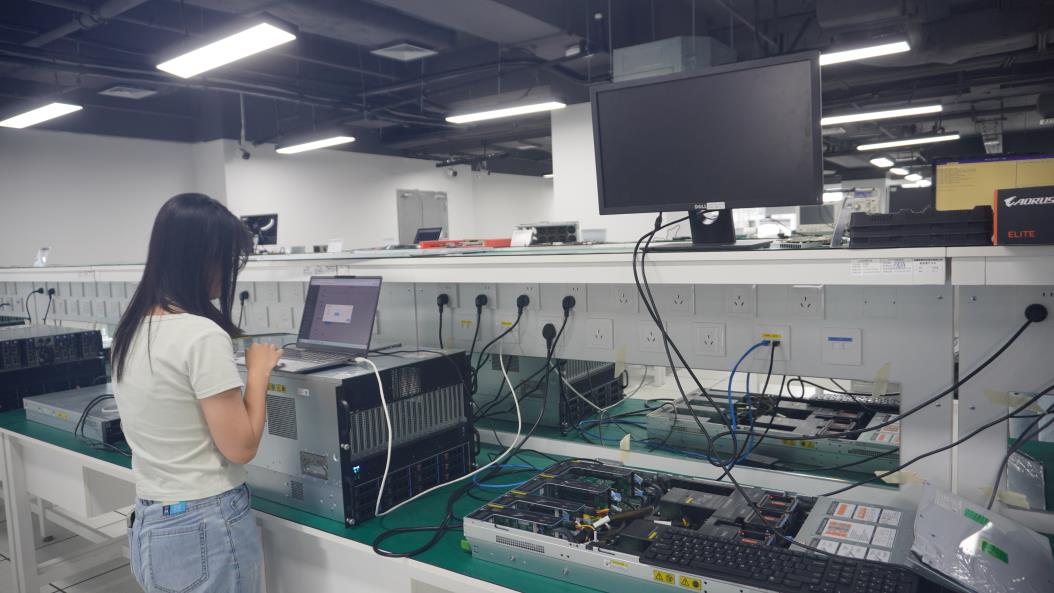
System-Level Validation: Exporters must certify memory modules on enterprise-level platforms (e.g., Intel Xeon Scalable, AMD EPYC architectures) to ensure seamless compatibility with system BIOS/UEFI configurations.
2. Technical Standards & The DDR5 Evolution
The shift from DDR4 to DDR5 marks a significant milestone in memory performance. DDR5 shifts the power management architecture from the motherboard directly onto the module via a PMIC (Power Management Integrated Circuit). This design improves power efficiency but requires advanced thermal dissipation. Additionally, DDR5 introduces on-die ECC (Error Correction Code), correcting errors within the silicon array before sending data to the CPU, augmenting standard side-band system ECC to deliver double-layer protection against data errors.
3. Key Criteria for Evaluating Server Memory Exporters
When selecting a manufacturing partner, enterprises must assess critical vendor capability metrics:
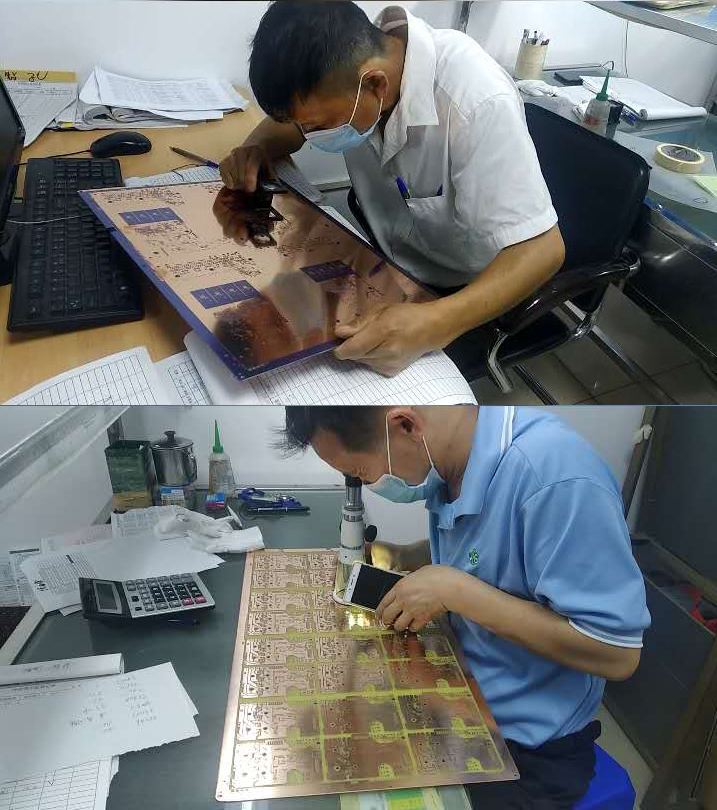
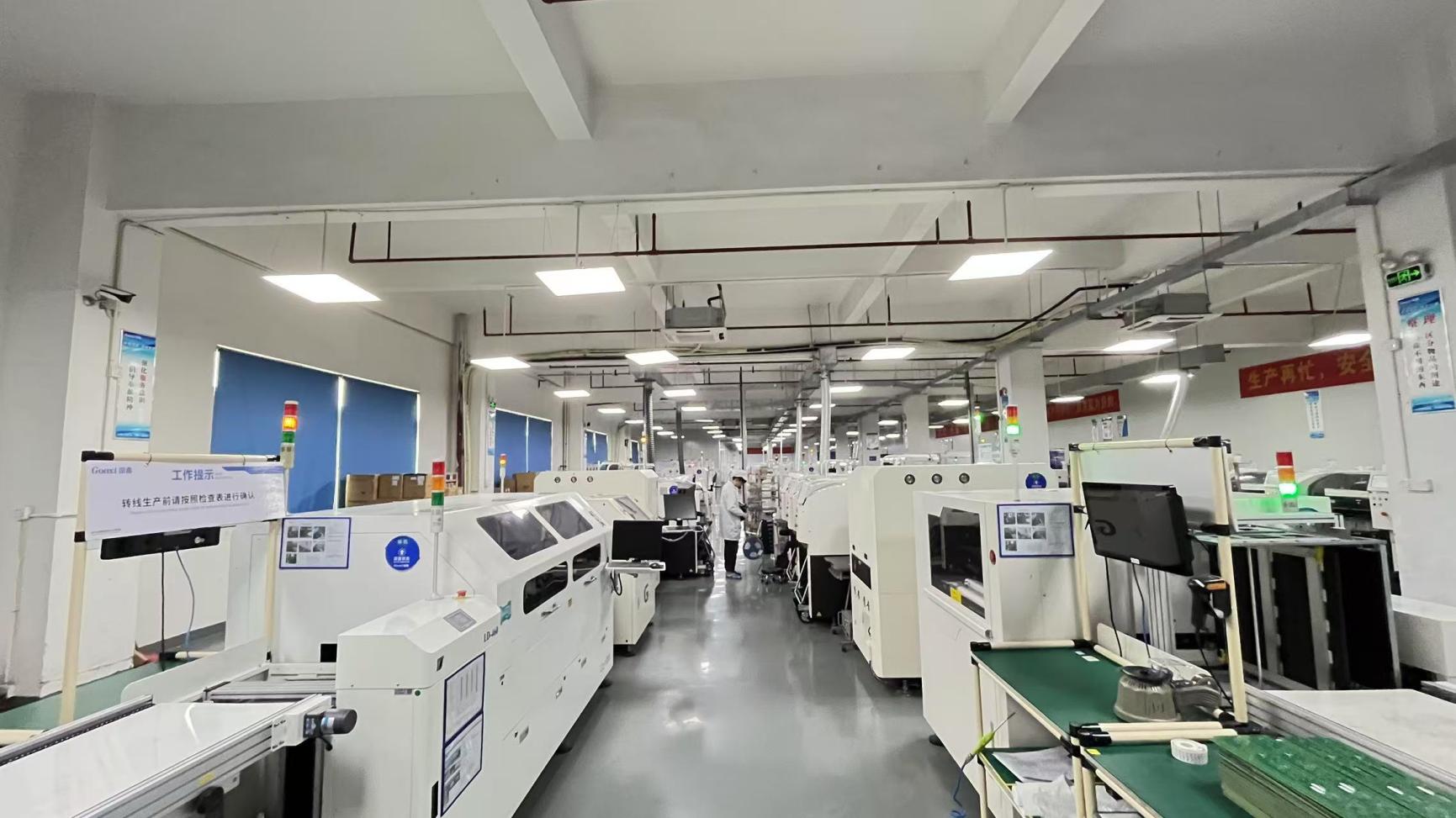
- Factory Testing Infrastructure: Modern factories must utilize automated testing equipment (ATE) alongside high-temperature burn-in rooms to simulate real-world data center workloads under high heat loads.
- Silicon Traceability: Top exporters provide transparent tracing of the DRAM components, verifying the use of Tier-1 A-grade dies rather than recycled or down-binned silicon.
- Tailored Customization: The capability to customize SPD (Serial Presence Detect) settings to match specific legacy server systems is vital for maintenance cycles.