Klyvora
Klyvora
Klyvora
Engineered for extreme workloads, AI computation, and scalable hyper-converged database infrastructure.
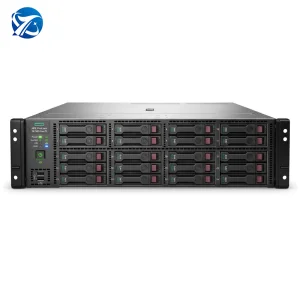
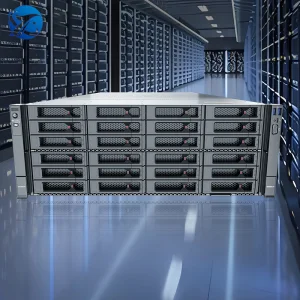
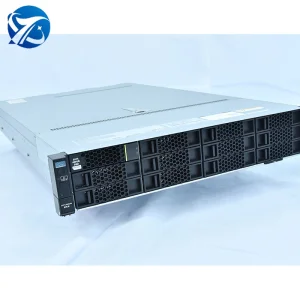
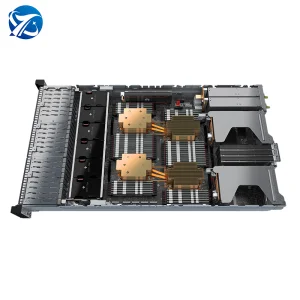
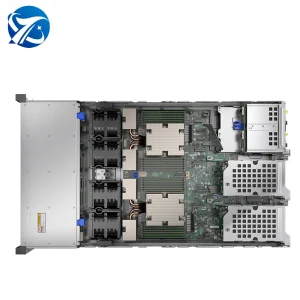
In the age of hyperscale virtualization, massive databases, and deep learning algorithms like DeepSeek R1, computing infrastructure has transitioned from generic rack servers to heavily customized systems. Global procurement teams from enterprise clouds and AI research facilities must look beyond off-the-shelf catalog models to establish direct partnerships with specialized hardware integrators and factories. This whitepaper analyzes the capabilities, technologies, and macroeconomic dynamics that govern the sourcing of enterprise-grade compute platforms, specifically focusing on components compatible with the Dell PowerEdge ecosystem and related global architectures.
"Optimizing the modern enterprise compute stack requires a deep convergence between raw processor power, solid-state memory channels, smart RAID architectures, and innovative thermal environments."
As standard workloads transform, hardware reliability, integration speed, and custom board layout flexibility dictate operational success. Enterprise systems require high-availability infrastructure that supports continuous high load without throttled performance. Sourcing components through trusted channels ensures supply-chain traceability, adherence to safety certifications, and robust hardware validation procedures.
Established in 2016, Klyvora Node Technologies Ltd. has grown into an international developer and manufacturer of high-performance computing infrastructure. The enterprise specializes in custom-engineered AI GPU server systems, scalable compute clusters, and high-density storage arrays tailored to the evolving needs of data centers globally.
Operating a focused 320㎡ integrated testing, development, and system assembly facility, Klyvora consolidates system prototyping, validation, and multi-stage testing within a tight quality envelope. This enables the rapid engineering cycles necessary to launch 86 new customized product variations in the past year alone.
With annual export revenues ranging from USD 8 million to USD 22 million and over 6 years of direct international trade experience, Klyvora serves major technology hubs in North America, Europe, the Middle East, and Southeast Asia. The company's structured supply framework coordinates a global network of 860+ components partners, securing access to high-grade silicon, advanced PCB assemblies, customized chassis, and advanced thermal interfaces.
180+ experienced hardware engineers optimizing motherboard configurations, liquid loops, and BIOS firmware for modern enterprise platforms.
42 quality assurance professionals running burn-in, thermal profiling, and system-level diagnostics to guarantee zero-fault deployments.
Why the global enterprise community selects Chinese advanced electronics manufacturing clusters for complex system builds.
Proximity to semiconductor packaging plants, PCB fabricators, and custom metal stamping mills reduces component lead times from weeks to days, accelerating raw material availability.
Highly automated assembly lines combined with adaptable low-volume, high-complexity production frameworks yield significant savings relative to domestic Western integrators.
Integrated QC workflows conform to international certifications (ISO 9001, CE, FCC, RoHS). Detailed test protocols verify component compatibility with ecosystems like Dell, HPE, and xFusion.
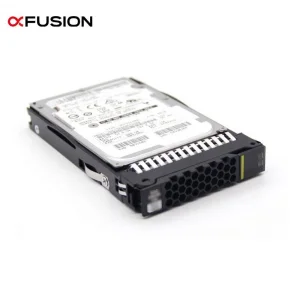
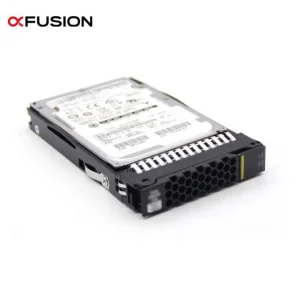
The enterprise hardware industry is experiencing structural evolution. In terms of server storage, standard mechanical drives are rapidly being phased out in high-performance configurations in favor of high-capacity, read-intensive SATA and NVMe solid-state solutions, such as the S4520 and PM893 series. Read-intensive drives maximize I/O performance for heavy web serving, read-heavy databases, and virtualization platforms.
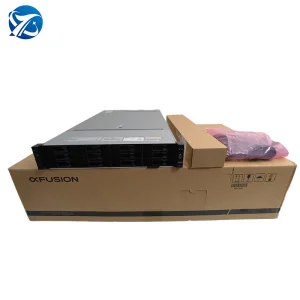
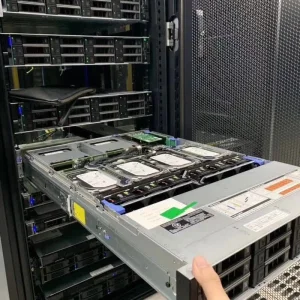
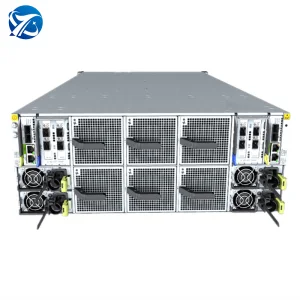
The global shift toward models like DeepSeek R1 demands complex, multi-GPU processing systems. Modern server cabinets must support high PCIe lane allocation, allowing seamless communication between CPU pools and GPU cores. High-density designs like the xFusion G5500 V7 leverage structural improvements to prevent bottlenecking during model inference.
With processors exceeding 350W TDP and GPUs pushing past 700W, traditional air cooling is hitting physical density limits. OEM/ODM factories are implementing direct-to-chip cold plate liquid cooling loops and immersion-ready server designs, ensuring high system uptime without thermal throttling.
Furthermore, hardware RAID solutions continue to be critical for data integrity. The integration of high-bandwidth PCIe Gen 4 RAID controllers, such as the XC470C-M-8i, allows servers to combine raw storage speeds with flash-backed write cache redundancy, preventing data corruption during power interruptions.
Adapting advanced computing hardware to specific operational workflows and strict compliance requirements.
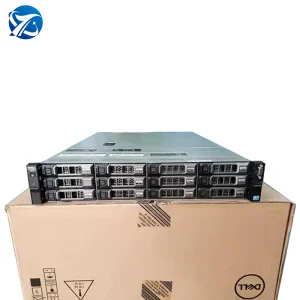
CSPs require scalable, high-density computing blocks (1U and 2U rack designs) that run hypervisors efficiently. Systems like the Dell PowerEdge R660XS and HPE ProLiant DL380 Gen11 provide core density and memory expansion options required to host multiple isolated client VMs.
Low latency is the primary driver in quantitative trading and real-time risk assessment. Sourcing hardware with customized BIOS configurations, overclocking support, and low-latency storage interfaces allows systems to execute decisions with minimal microsecond delays.
Large research institutions require high cluster density. High-density GPU configurations, such as the G5200 V5, provide the dense float-point compute resources required to train complex scientific models, run simulations, and process raw data sets.
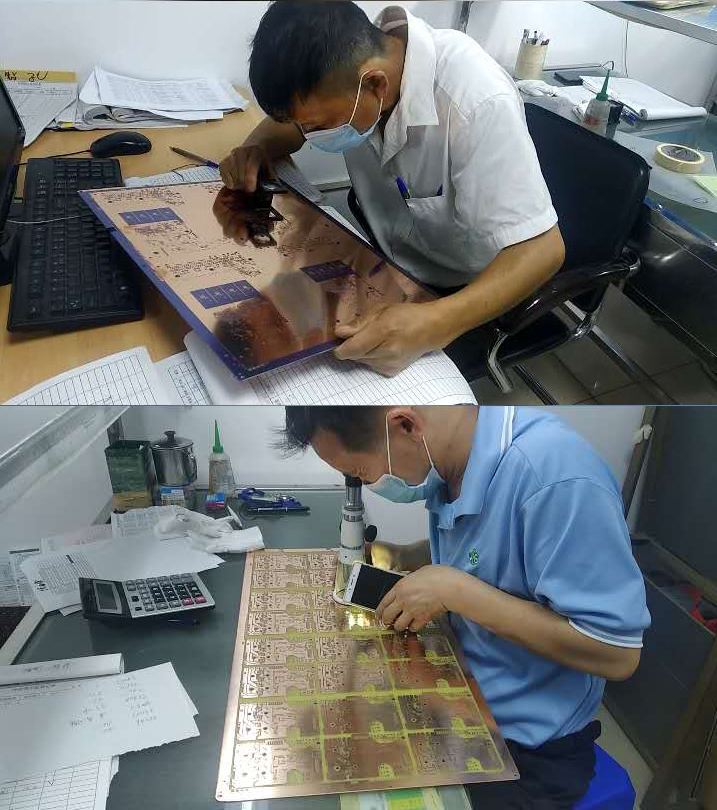
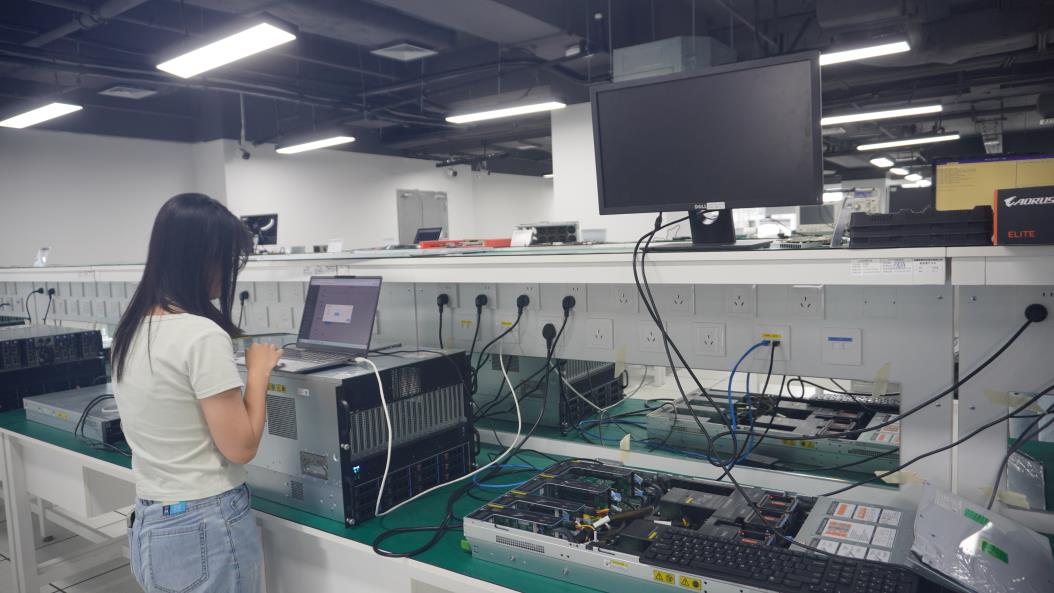
A visual look into the advanced cleanrooms, thermal testing bays, and precision diagnostics floor.


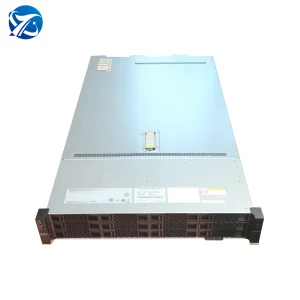
Expand capacity and maintain high uptime with these selected enterprise components.
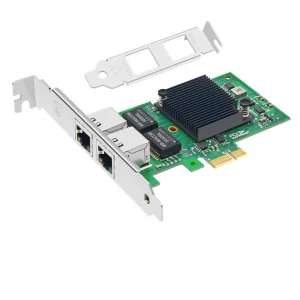
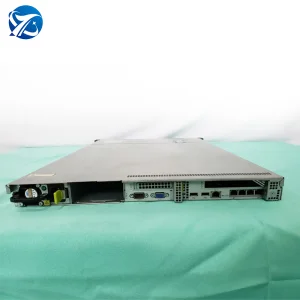
For procurement officers, sourcing custom computing platforms directly from partner factories offers structural advantages. However, ensuring consistency requires systematic verification across key checkpoints:
Technical answers to key infrastructure sourcing questions.