Klyvora
Klyvora
Klyvora
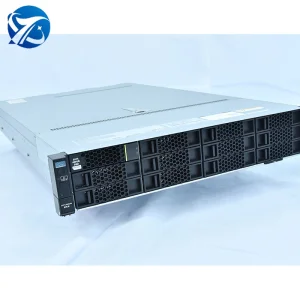
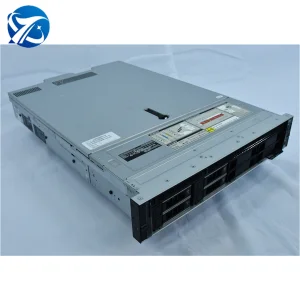
Deploy robust compute capability directly to your target architecture. Explore our certified servers and component integrations.
As deep learning architectures and high-density neural networks progress globally, standard off-the-shelf system configurations are encountering fundamental physical limits. Processing models like DeepSeek, LLama 3, and vast distributed transformer grids demand hardware architectures built for specific numerical computations. General-purpose servers fall short when optimizing workloads that require intense memory-bus bandwidth and specialized low-precision compute configurations (such as FP8 and INT8 formats).
OEM/ODM manufacturers of data processing systems now provide critical industrial value by designing application-specific logic arrays, tailored thermal paths, and highly-optimized storage matrices. The modern industrial data layout is changing. In areas like energy production, manufacturing, telemetry, and advanced medical diagnostics, processing hardware must sit at the boundary between raw inputs and cloud pipelines. To achieve this efficiency, engineers must adjust variables at the firmware, structural, and electrical levels—a level of integration that standard distribution models cannot offer.
At the center of Klyvora Node Technologies' development process is our engineering department, comprised of approximately 180 experienced hardware engineers. We design custom solutions that address the specific challenges of running complex AI and machine learning tasks in actual production environments.
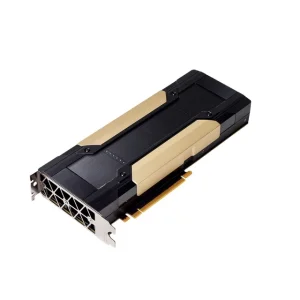
Standard servers often suffer from internal communication bottlenecks when handling high-density GPU arrays. Our R&D division solves this by engineering custom PCIe switch boards and baseboards. Whether integrating used PCIe cards (such as the V100 PCIe 32GB) or deploying modern enterprise GPUs, our architectures ensure maximum throughput. By utilizing PCIe 4.0/5.0 controllers and layout techniques that limit signal attenuation, we maximize the bandwidth available to every graphics card, accelerating model training and data workloads.
As the Thermal Design Power (TDP) of modern processors exceeds 350W and accelerators reach up to 700W, traditional chassis design must evolve. Klyvora designs custom airflow tunnels, selects optimal fan curves, and develops liquid cooling systems (including closed-loop liquid-to-air systems and direct-to-chip cold plates) to prevent hardware thermal throttling. Our chassis customization also includes short-depth rack frames, enabling customers with space-constrained facilities to deploy enterprise-grade compute nodes without replacing their racks.
Hardware must integrate cleanly with the control software. Our firmware development team writes custom BIOS profiles and adjusts Baseboard Management Controller (BMC) settings. This enables direct remote administration, secure platform booting, and precise telemetry monitoring of voltage, current, and component temperatures. This level of control allows data center operators to balance cooling energy usage against actual computing loads, reducing ongoing operational costs.
The global computer hardware market remains volatile. Port delays, raw material scarcity, and geopolitical changes impact project timelines. Klyvora Node Technologies mitigates these risks through a diversified supply network comprising over 860 partners and suppliers.
This deep supply chain allows us to maintain consistent access to critical components, including Intel Xeon scalable processors, enterprise SAS hard drives, RAID controllers, and advanced high-speed memory. Our global export operations span North America, Europe, the Middle East, and Southeast Asia, generating annual export revenues between USD 8 million and USD 22 million. By tracking global components across multiple regions, we keep production schedules on time even when standard distribution channels experience delays.
High-performance servers serve different roles depending on the industry. A server configuration optimized for database queries will differ significantly from one designed for neural network processing.
Our capabilities are built on real-world engineering capacity, global reach, and a dedicated team of technical specialists.
Data processing failures in production can lead to significant financial loss. Klyvora utilizes a rigorous multi-stage quality assurance process managed by 42 dedicated quality assurance professionals. Every server node undergoes strict testing cycles before leaving our facility.
Systems are run under maximum compute load for extended periods to detect potential component infant mortality. This includes testing system memory, processors, and PCIe pathways.
Thermal imaging cameras monitor internal temperatures to identify potential hot spots around voltage regulator modules (VRMs), drive bays, and PCI expansion slots.
Verification of IPMI controls, custom BIOS settings, RAID configurations, and storage read/write performance to ensure hardware matches customer specifications.
This systematic testing minimizes hardware issues in the field, helping enterprise clients maintain high uptime. Our validation procedures verify that all integrated expansion cards, storage drives, and memory modules interface correctly with the host operating system and hypervisor layers.
Looking ahead, data processing needs will continue to grow, driven by larger AI models, complex scientific simulations, and edge processing. Klyvora is actively researching several key technical areas to address these future challenges:
Common technical and operational questions regarding our customized server solutions.
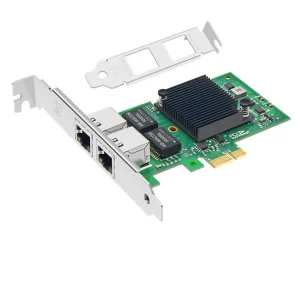
Extend compute density, storage throughput, and cache efficiency using our custom component line-up.
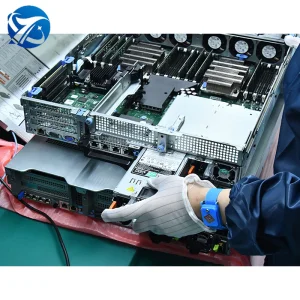
A look inside our specialized testing and assembly center, built to ensure product quality and configuration accuracy.
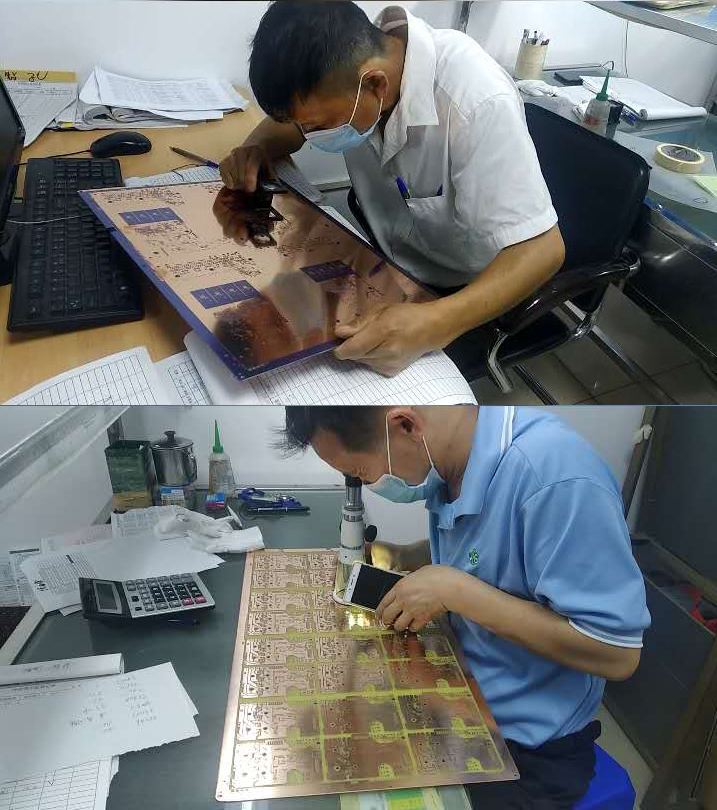
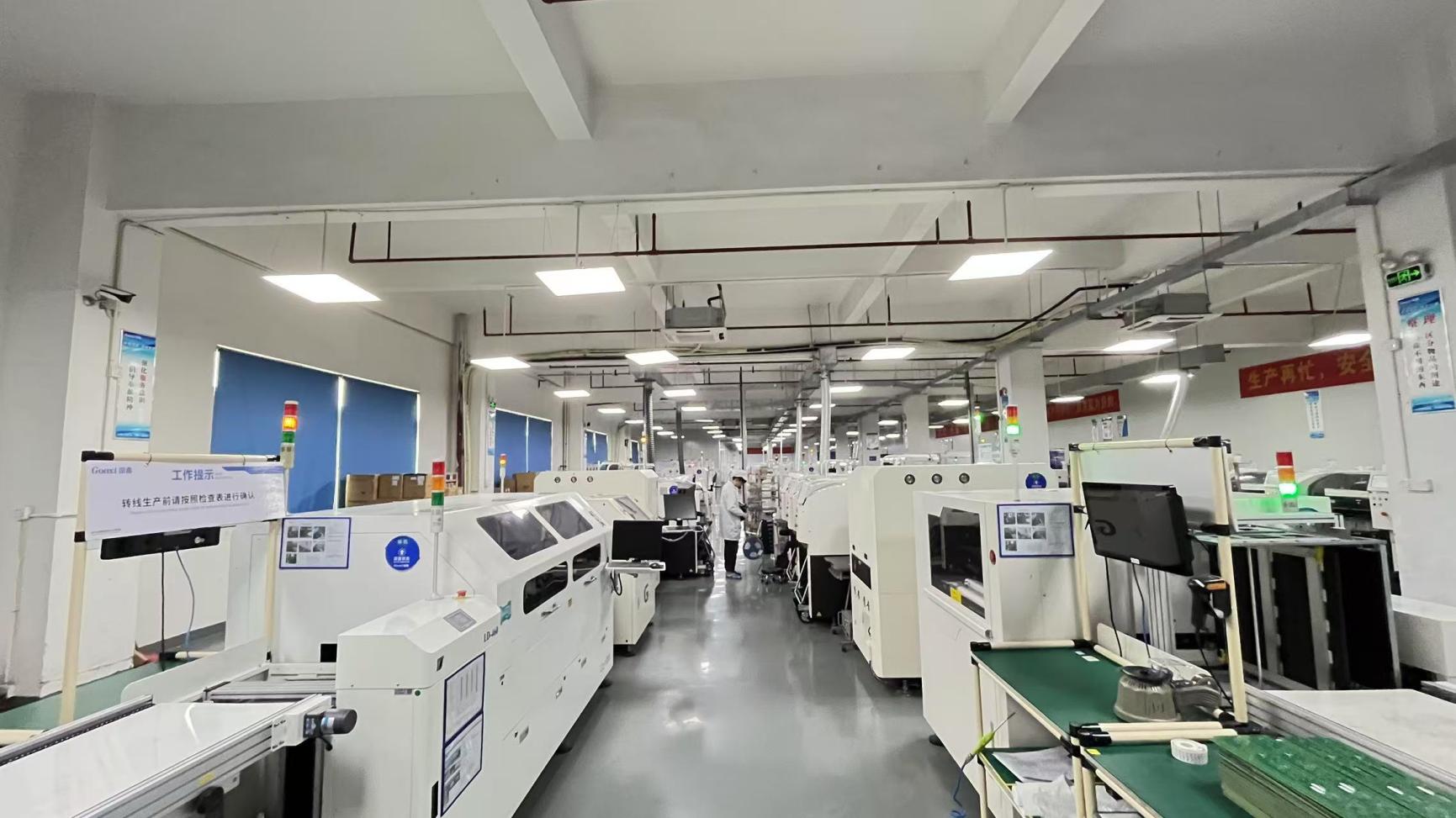
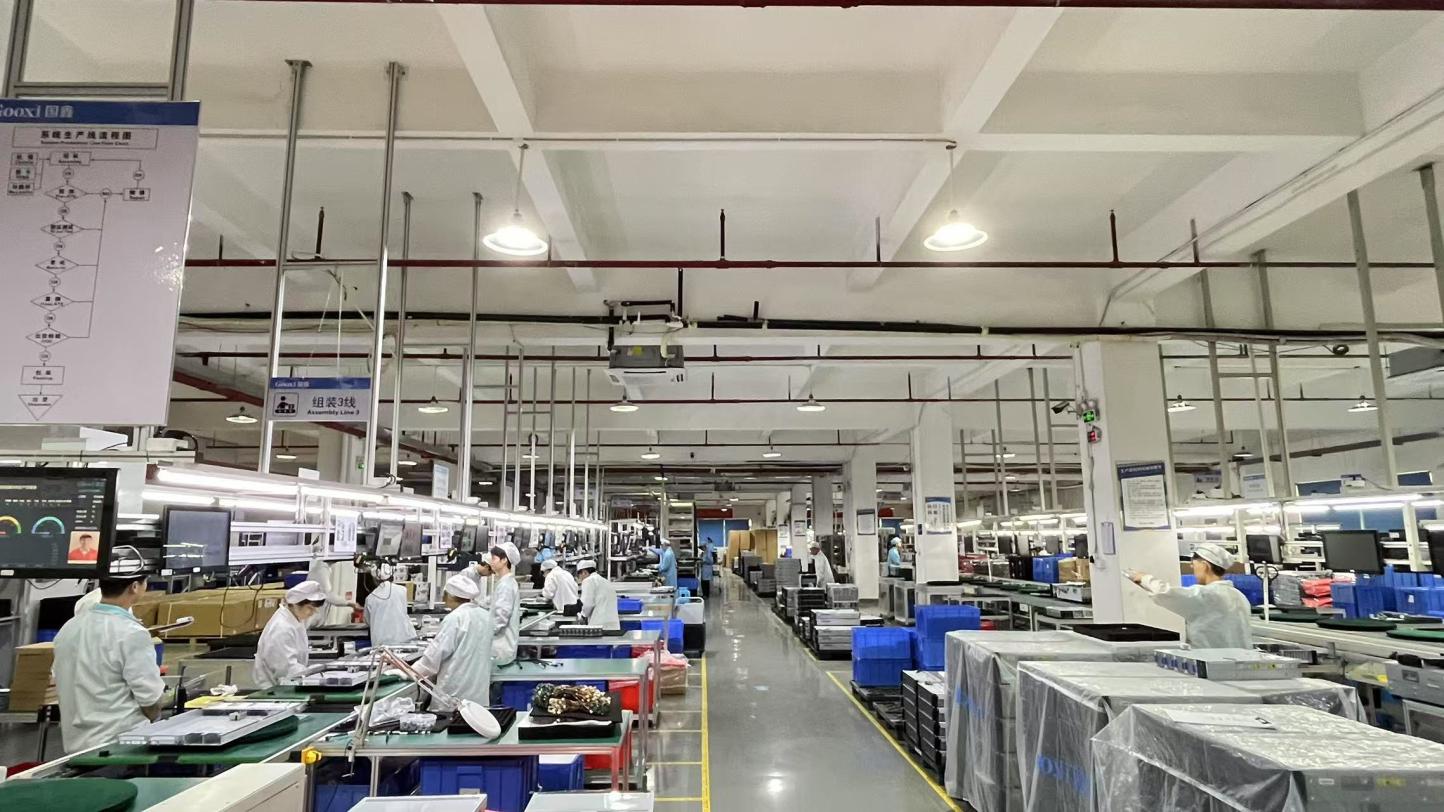
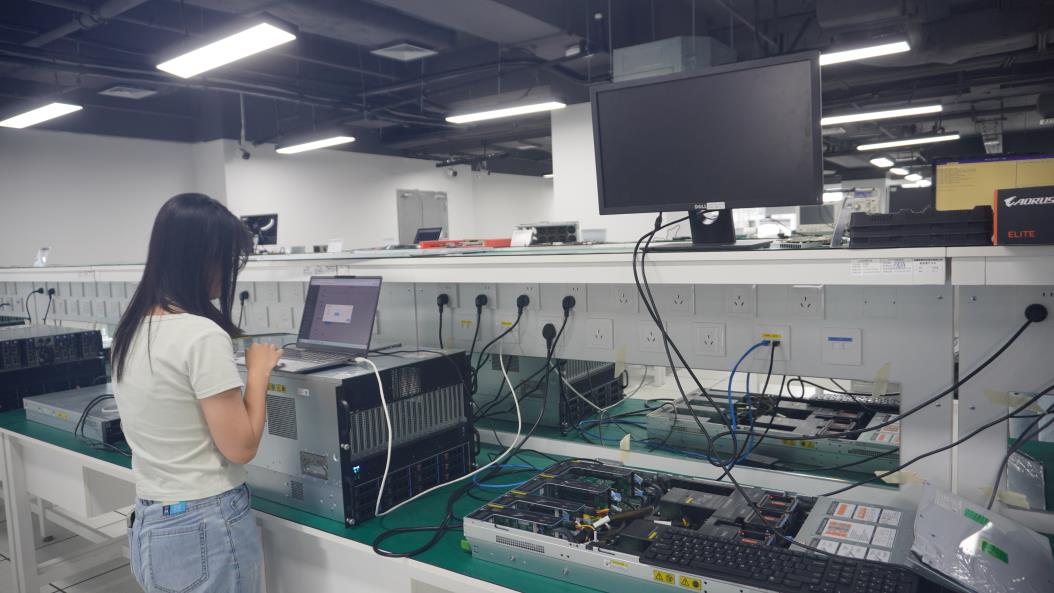
Klyvora Node Technologies operates an integrated production and assembly area of approximately 320㎡. This facility supports R&D engineering, hardware assembly, testing, and quality control. By focusing our space on precise component matching and diagnostics, we achieve the accuracy required for high-density AI and GPU systems. This structure allows us to scale production while keeping our technical diagnostics close to the assembly lines.