Klyvora
Klyvora
Klyvora
Select high-density rackmount architectures designed for session border control, media transcoding, and Unified Communications (UCaaS) deployments.
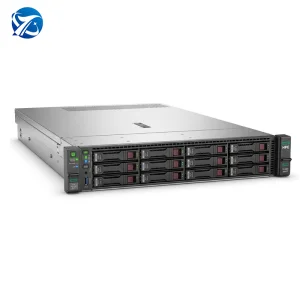
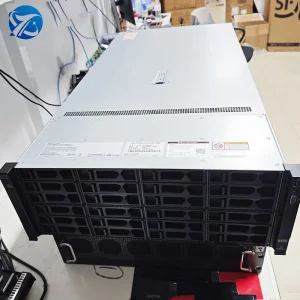
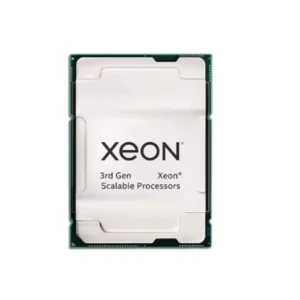
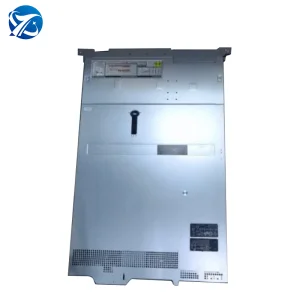
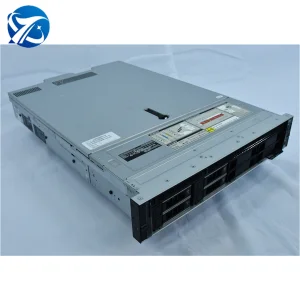
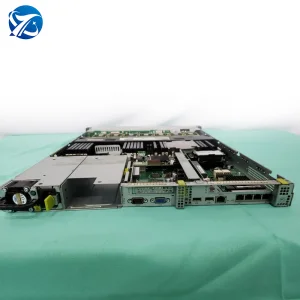
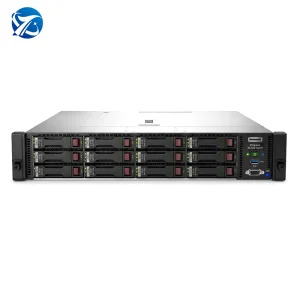
The global telecommunications landscape is undergoing a structural phase change. Legacy public switched telephone networks (PSTN) and traditional hardware PBX switches are rapidly phasing out in favor of cloud-native Unified Communications as a Service (UCaaS) and robust Session Initiation Protocol (SIP) systems. This transition is not merely software-based; it demands intense, high-availability hardware processing capabilities to host modern virtualized network functions (VNFs).
As telecom enterprises scale up to support millions of concurrent voice channels, standard computing architectures fall short. The demand is shifting toward Carrier-Grade Hardware Customization. Dedicated telecom networks require massive throughput, hardware-based packet filtering, and inline cryptographic acceleration to secure SIP trunks against targeted DDoS attacks and protocol spoofing.
From an operational standpoint, modern telecom networks utilize complex server frameworks capable of orchestrating media gateways, Session Border Controllers (SBCs), and IP multimedia subsystems (IMS) in real-time. By utilizing high-density server designs, system operators can decrease total cost of ownership (TCO) and ensure continuous service delivery, maintaining five-nines (99.999%) uptime SLA requirements.
Evaluating the convergent technologies that define next-generation telecommunication hubs and infrastructure engineering.
The integration of conversational AI agents (such as DeepSeek and specialized LLMs) directly within voice pipelines requires massive GPU compute power at the edge. Live transcription, real-time sentiment analysis, and automated translation are changing consumer expectations, calling for hybrid GPU-CPU telecom servers.
Open Radio Access Network (O-RAN) and virtualized SBC platforms are changing standard vendor ecosystems. Telecom operators now request open-architecture OEM servers that are fully customized to match unique spatial, power-distribution, and networking interfaces.
With the rapid adoption of high-performance computing (HPC) nodes for telecom media processing, thermal densities are exceeding traditional air-cooling limits. Emerging designs feature direct-to-chip liquid cooling systems that keep hardware PUE low, optimizing operational margins.
Klyvora Node Technologies Ltd. is a high-performance computing infrastructure manufacturer specializing in AI GPU server systems, scalable compute clusters, and enterprise-grade data center solutions. Established in 2016, we integrate design, fabrication, and testing validation under one cohesive system to deliver custom telecom-grade network components.
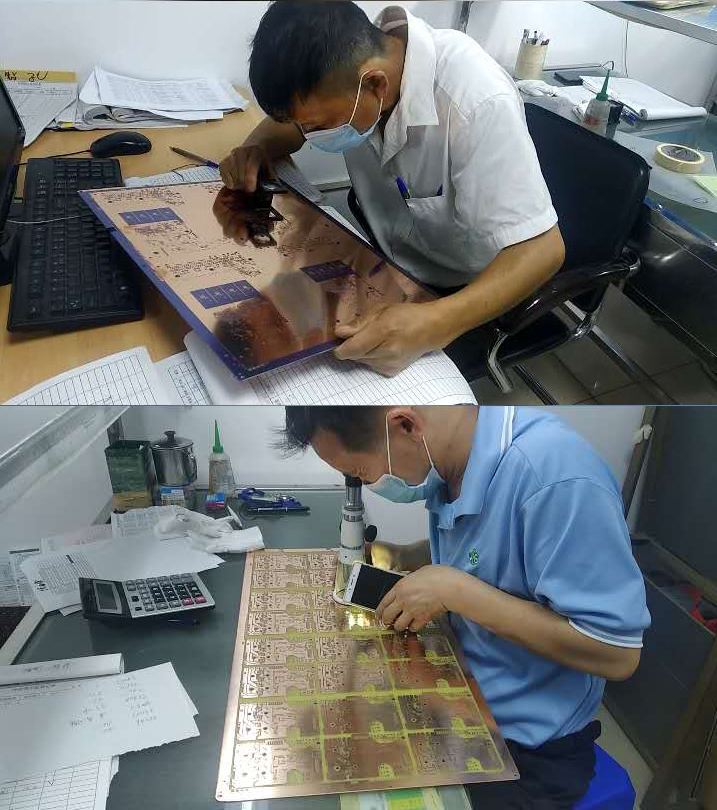
Operating from a modern production facility supporting integrated R&D, assembly, testing, and quality control operations, we deploy a structured quality assurance system. We combine automated testing methods, burn-in stress testing, and full-system validation procedures to verify all physical hardware. Product inspection methods include thermal performance testing, hardware stress diagnostics, and multi-stage functional verification. Our quality control team consists of approximately 42 dedicated professionals ensuring strict compliance with international manufacturing and telecom requirements.
Our collaborative supply chain network enables stable sourcing of high-grade components such as GPUs, server-grade motherboards, power systems, and cooling solutions. Primary customer integrations include AI research institutions, cloud service providers, enterprise data centers, and HPC solution integrators. We support a wide range of customization options, including chassis design, thermal configuration, GPU density optimization, and firmware-level system tuning.
In the past year, Klyvora has launched approximately 86 new products, showcasing our continuous innovation in high-density computing systems and next-generation AI infrastructure solutions.
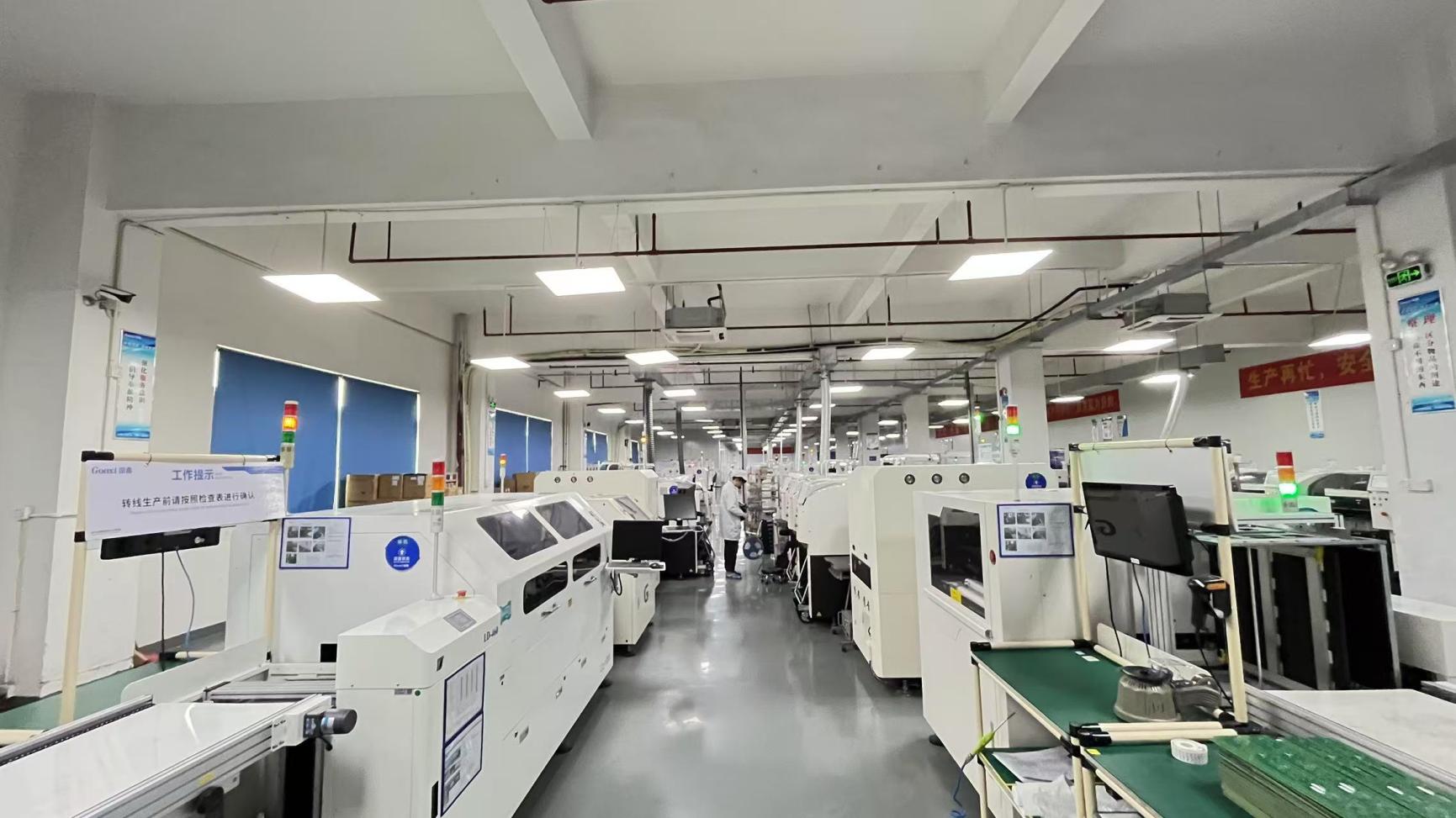
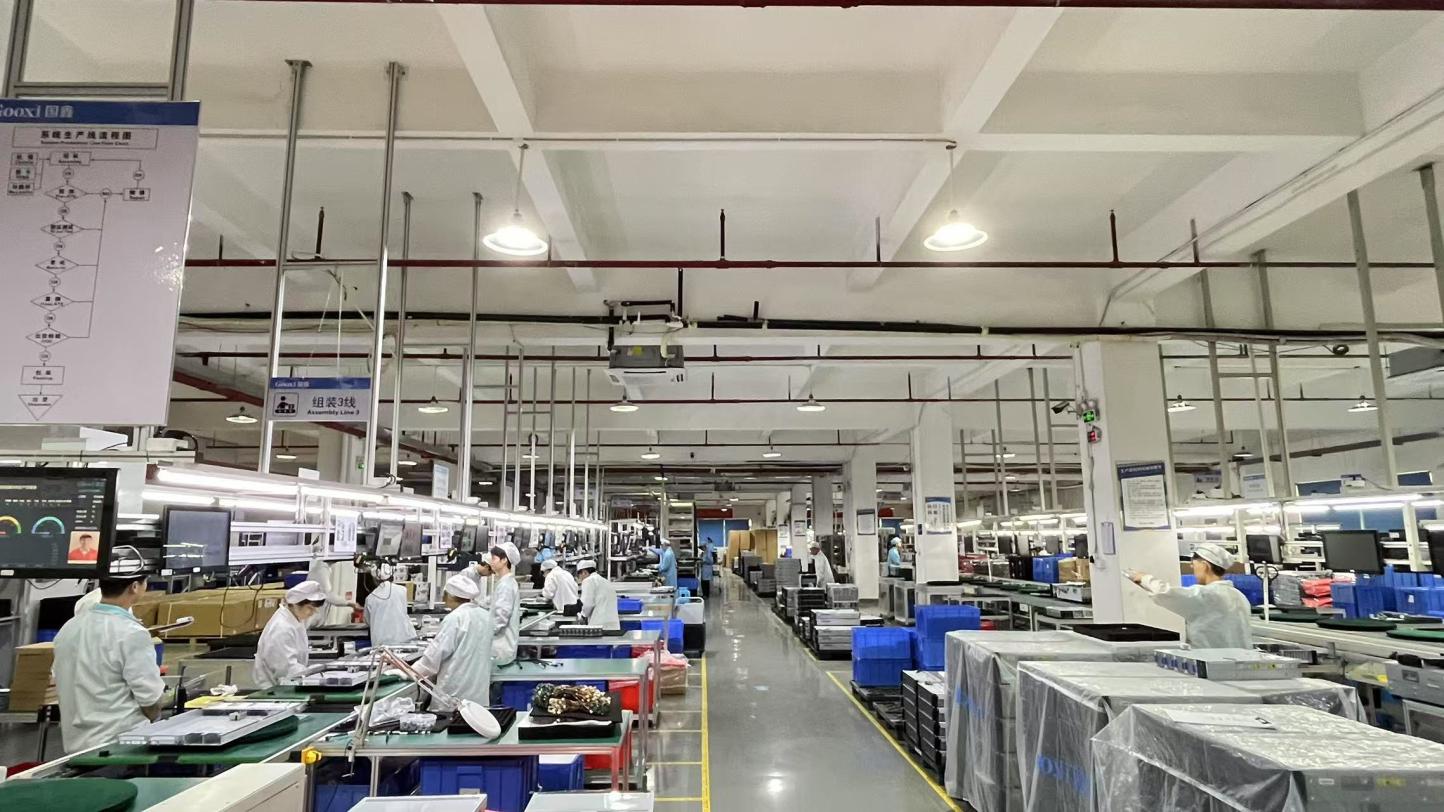
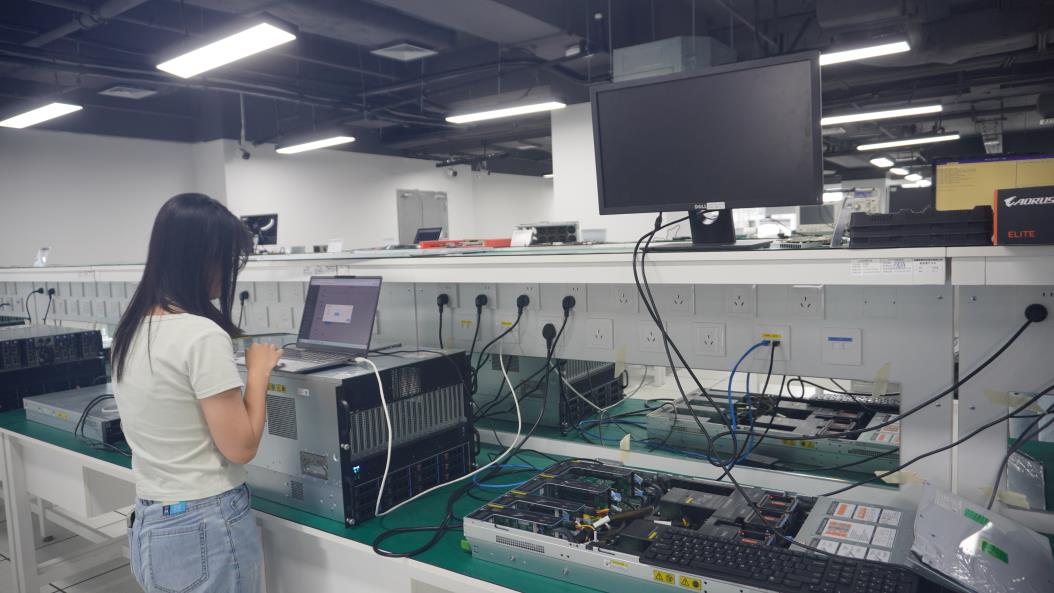
Deploying high-performance compute and communication systems to meet the unique needs of localized verticals.
Scenario: Regional cloud service providers scaling unified communication clusters across major metropolitan zones.
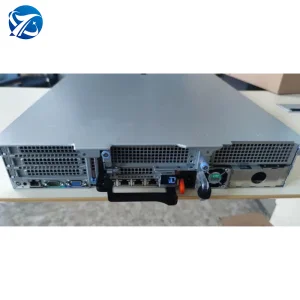
By deploying dual-socket high-density server configurations (such as the FusionServer and HPE DL series), service providers can process thousands of simultaneous SIP channels. This approach minimizes latency, prevents jitter, and ensures reliable voice routing across geographically distributed offices.
Scenario: Deploying localized, fault-tolerant call centers running automated emergency routing and live geolocation services.
Emergency dispatch centers require local servers with redundant power supplies (PSUs) and direct hot-swap NVMe storage arrays. This setup ensures that system call recording and AI-driven transcription functions remain operational even during localized grid events.
Scenario: Providing industrial complexes and remote offshore installations with local VoIP processing units.
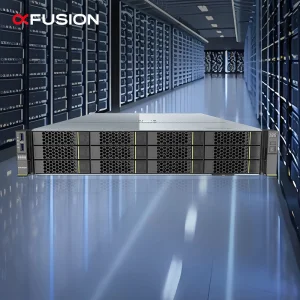
Using customized heat-pipe assemblies and custom 1U/2U rack configurations, systems can withstand high ambient temperatures, dust, and vibrations. These configurations preserve reliable internal communication networks without depending on public internet lines.
As telecom infrastructure edges closer to virtualized, software-defined environments, hardware systems must adapt to handle high computing loads. Standard general-purpose CPUs can experience performance limitations when handling real-time, zero-latency workloads. Our roadmap focuses on integrating advanced computing architectures designed to meet these evolving processing needs.
Over the next five years, system operators will transition away from traditional processing models to leverage DPU-based packet processing. This framework enables dedicated network interfaces to manage routing tables, encryption keys, and session lookups directly on the card, freeing up valuable CPU cycles for system-level logic.
Moving core packet manipulation off CPU chips to dedicated hardware accelerators, reducing latency down to microsecond levels.
Deploying clean direct-to-chip liquid loops in telecom centers to handle higher server densities and optimize PUE metrics.
Deploying localized TPU/GPU components directly within SBC systems to power on-the-fly voice authentication and real-time translation.
Analyzing hardware configurations across specific commercial use cases.
| Application Vertical | Compute & Storage Architecture | I/O & Network Configuration | Primary OEM Target Function |
|---|---|---|---|
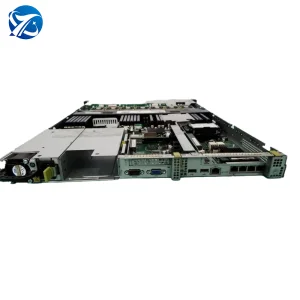
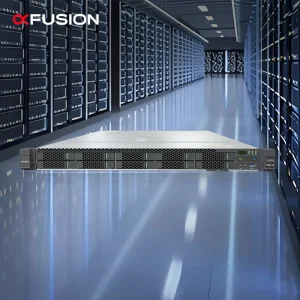
| Global SBC Host | 1U Dual-Socket Intel Xeon (e.g., DL360 Gen12/1288H V6) | 4x 25GbE SFP28, PCIe Gen5 support | Processing high-concurrency SIP traffic while providing active firewall defense. |
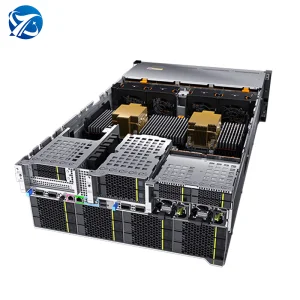
| AI Media Gateway | 8U Multi-GPU Server (e.g., G8600 V7/G5500 V7) | 8x 100GbE QSFP28 interfaces | Real-time voice stream transcoding, live translation, and conversational AI services. |
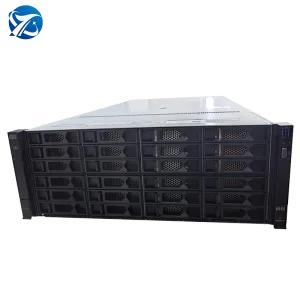
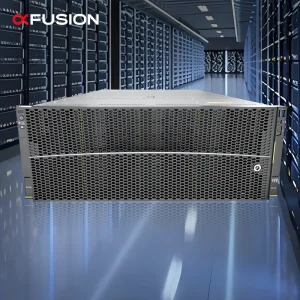
| Enterprise PBX Archiving | 4U High-Density Storage Server (e.g., 5288 V6) | 36x 3.5" HDD/SSD bays, dual M.2 boot OS | Providing secure, long-term storage and logging for high-volume call records. |
Expert insights on hardware selection, custom OEM configurations, and system deployment.
Motherboard design directly impacts data travel times between the network card, CPU, and RAM. Selecting architectures with direct PCIe lane designs reduces routing hops. Additionally, using modern DDR5 interfaces prevents system memory bottlenecks during high-volume VoIP media processing.
As voice services increasingly integrate real-time AI and GPU processing, system heat generation rises significantly. Traditional air cooling struggles to manage high thermal output efficiently. Direct-to-chip liquid cooling systems provide targeted heat dissipation, allowing servers to run at peak capacity while lowering energy overhead.
Every production batch undergoes structured testing, including automated diagnostic checks, high-heat burn-in testing, and structural stress validation. These protocols ensure the internal hardware components can withstand continuous operation under typical telecom deployment stresses.
Data Processing Units (DPUs) offload core networking tasks like packet processing, encryption, and routing from the primary CPU. This separation helps prevent system latency spikes and frees up CPU power to handle critical application tasks.
We provide tailored chassis modifications, including adjustable depth rails, custom hot-swap drive bay arrangements, specialized airflow paths, and custom enterprise branding options to suit specific deployment requirements.
We integrate hot-swappable, redundant power supplies (PSUs) and configure dual-port network cards alongside RAID storage configurations. These redundancies prevent single points of failure, keeping systems online during hardware maintenance.
Yes, high-density server configurations can support dedicated GPU arrays (such as the FusionServer G series). This processing power handles real-time speech-to-text conversion and natural language analysis directly at the network edge.
Our hardware assemblies are designed and verified to meet common international electrical, safety, and emissions guidelines. This compliance ensures smooth integration and deployment across North American, European, and Asian telecom markets.
Select from our verified line of server systems built for unified computing, cloud hosting, and large-scale voice network operations.