Klyvora
Klyvora
Klyvora
Pre-configured hardware compatible with leading hypervisors, including VMware ESXi, Proxmox VE, OpenStack, and KVM.
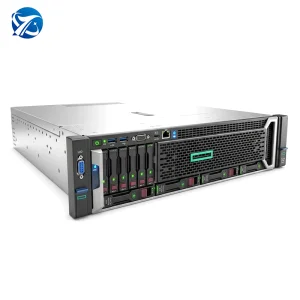
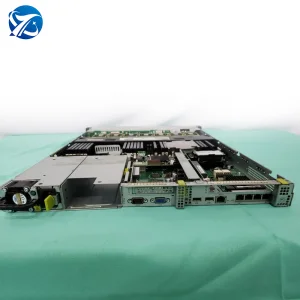
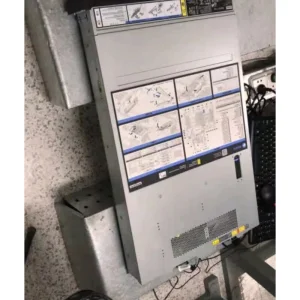
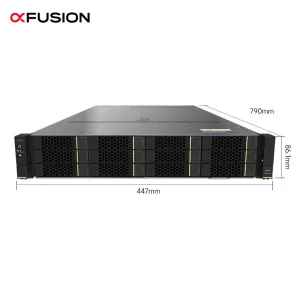
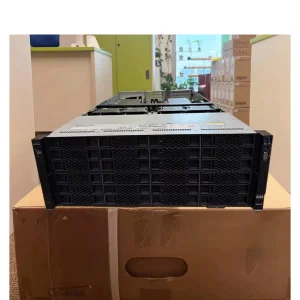
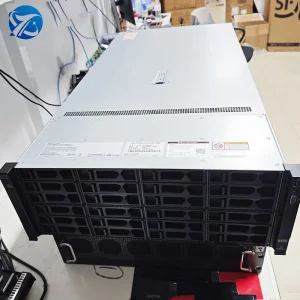
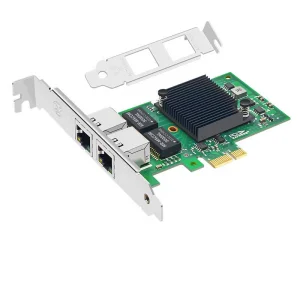

As corporate IT ecosystems pivot towards hybrid multi-cloud systems and high-density virtualization, the demands on underlying physical hardware have escalated exponentially. Klyvora Node Technologies Ltd. stands at the forefront of this industrial transformation. Established in 2016, Klyvora specializes in high-performance computing (HPC) infrastructure design, production, and validation, facilitating high-density server configurations designed explicitly for hardware-level virtualization, artificial intelligence inference execution, and container orchestration.
Modern virtualization environments require a paradigm shift from traditional, low-density server configurations. To support hundreds of Virtual Machines (VMs) or containerized microservices on a single bare-metal chassis, system architects must look beyond simple CPU performance. Memory footprint, I/O bandwidth, hardware-assisted virtualization instruction sets, vGPU (virtual GPU) hardware partitioning capabilities, and structural reliability are now the key benchmarks of virtualized data center architectures. Klyvora's integrated R&D team addresses these operational metrics by engineering server platforms optimized for maximum throughput, minimized hypervisor latency, and reduced thermal throttling.
Validated support for up to 8TB of high-speed DDR5 memory, allowing IT administrators to run hundreds of resource-intensive VMs on a single 1U or 2U compute node.
Optimized for Multi-Instance GPU (MIG) partitioning and Single Root I/O Virtualization (SR-IOV), achieving near-bare-metal I/O performance.
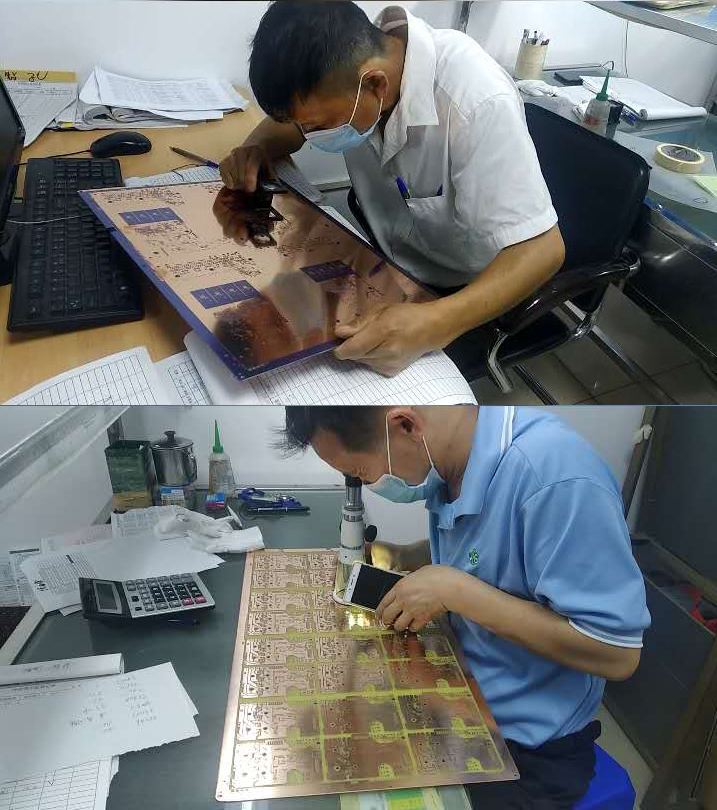
Rigorous burn-in stress testing, multi-stage thermal chamber diagnostics, and diagnostic validation executed by our team of 42 QC specialists.
Advanced Computing Expertise
R&D Engineers & Technicians
Global Supply Chain Partners
Annual Global Export Volume
As organizations scale their AI models (such as DeepSeek R1, GPT-4, and LLAMA-3 variants) and enterprise databases, hypervisors must dynamically allocate compute slices. Today's global industry standard dictates that a virtualization server must not only deliver raw CPU horsepower but also act as a flexible fabric of computing assets. We see a significant paradigm shift from traditional CPU-only architectures to heterogeneous GPU-accelerated computing nodes.
This dynamic has changed procurement paths for global system integrators and hyperscalers. To support this growth, physical hardware must provide deep PCIe Gen 5 routing lanes, support hot-swappable NVMe drives, and facilitate clean high-density cooling paths. The use of hardware virtualization enables multiple tenants to share resources safely without performance interference. Whether running multi-tenant containerized architectures in Kubernetes or isolated vSphere virtual machines, the underlying hardware must guarantee zero Single Point of Failure (SPOF) risks in redundant power supplies, controller setups, and cooling fan modules.
Targeted compute deployments customized for unique industrial environments and operational challenges.
By deploying server clusters like the xFusion FusionServer G8600 V7 or Klyvora's GPU systems, universities and scientific institutions run secure virtualized AI partitions. Using Multi-Instance GPU (MIG) tech, research groups run multiple deep learning tasks on the same chassis. Each user group operates inside an isolated system environment, preventing code conflicts and maintaining full resource allocation security.
Financial service companies require virtualization solutions that execute transactions with microsecond-level latency. Through PCIe gen 4.0 controllers like the LSI 9560-16I 8GB and direct-attached Intel Xeon hardware configurations, virtualization engineers implement SR-IOV configurations. This routes networking traffic past the hypervisor layer directly to the target virtual machine, slashing transaction latency.
On modern manufacturing floors, running separate physical computers for each automated manufacturing system is highly inefficient. Industrial operators use short-depth, high-durability virtualized rack servers to run multiple real-time operating systems (RTOS) and SCADA applications on a single system. The reduced depth enables standard cabinet integration directly in control rooms, maintaining strict operational isolation.
For organizations managing thousands of remote developers, engineers, and financial analysts, VDI systems running on high-density 2U servers (e.g., Dell PowerEdge R650 or xFusion 2488H V6) ensure seamless desktop streaming. Featuring massive DDR5 RAM capacities and redundant storage arrays, these nodes handle high concurrent user logins without system bottlenecks.
As we look towards the next decade of infrastructure development, the boundaries between virtualization software and raw physical hardware will continue to blur. Klyvora is currently targeting several primary engineering sectors to meet tomorrow's data center challenges:
The transition to CXL technology will revolutionize resource allocation in hyperconverged datacenters. With CXL, virtualization systems will be able to pool memory resources dynamically across different chassis. If virtual machine A running on Node 1 runs out of RAM, it will dynamically borrow memory from Node 2 via high-speed CXL interconnects without needing a reboot or triggering CPU cache invalidation loops.
Traditional air cooling cannot efficiently manage the thermal output of modern 8U servers running 8 high-performance GPUs along with high-core CPUs. Klyvora is designing integrated liquid cooling manifolds, closed-loop cold plate loops, and immersion cooling compatibility protocols. This enables virtualized infrastructure to run at lower average temperatures, reducing the Power Usage Effectiveness (PUE) of data centers to under 1.15.
Running network, storage, and management software consumes up to 30% of a server host's CPU cycles (known as the "hypervisor tax"). By offloading virtualization overhead onto specialized Data Processing Units (DPUs), the host CPU is freed up to run customer VMs. This significantly increases system-wide virtual machine densities.
Klyvora Node Technologies Ltd. utilizes China's advanced hardware manufacturing ecosystem to provide significant structural advantages to international buyers. Located in the heart of Shenzhen's hardware corridor, our facility leverages immediate access to components, rapid prototyping capabilities, and consolidated export channels.
Our deep partnerships with local component fabricators ensure priority allocation of key components like high-speed PCBs, power modules, custom chassis, and liquid cooling components.
We launched approximately 86 new products last year alone, demonstrating our R&D agility. We offer custom chassis design, customized bios configurations, and OEM logo branding.
Our Quality Assurance system includes thermal stress testing, full hardware diagnostics, and multi-stage testing overseen by 42 QC professionals.
This localized supply chain integration enables Klyvora to ship custom-configured virtualization systems much faster than Western competitors. With annual export volumes ranging between USD 8 million and USD 22 million, our logistics pipelines are fully optimized. We manage every step, from custom component procurement and validation to international compliance routing, ensuring a smooth, reliable path to your facility.
Deploying virtualization systems requires strict compliance with international manufacturing and safety protocols. All Klyvora hardware systems are certified to meet major international standards. This ensures compatibility with global power grids and compliance with safety regulations across North America, Europe, the Middle East, and Southeast Asia.
We recognize that system downtime in virtualized environments can disrupt critical business operations. A single hardware failure on a host server can affect hundreds of running virtual machines. To address this risk, Klyvora provides robust post-purchase support, including comprehensive component warranties, direct access to systems engineers, and prompt replacement parts shipping. Additionally, we provide reference architectures for common hypervisor setups, helping IT teams optimize BIOS settings, network parameters, and storage configurations during deployment.
Essential insights for system architects, procurement leads, and server administrators.
Our hardware configurations support major enterprise hypervisors, including VMware ESXi/vSphere, Proxmox VE, OpenStack, Microsoft Hyper-V, and KVM-based Linux virtualization. The motherboards are validated with virtualization extensions (Intel VT-x and AMD-V) enabled by default in the BIOS configurations.
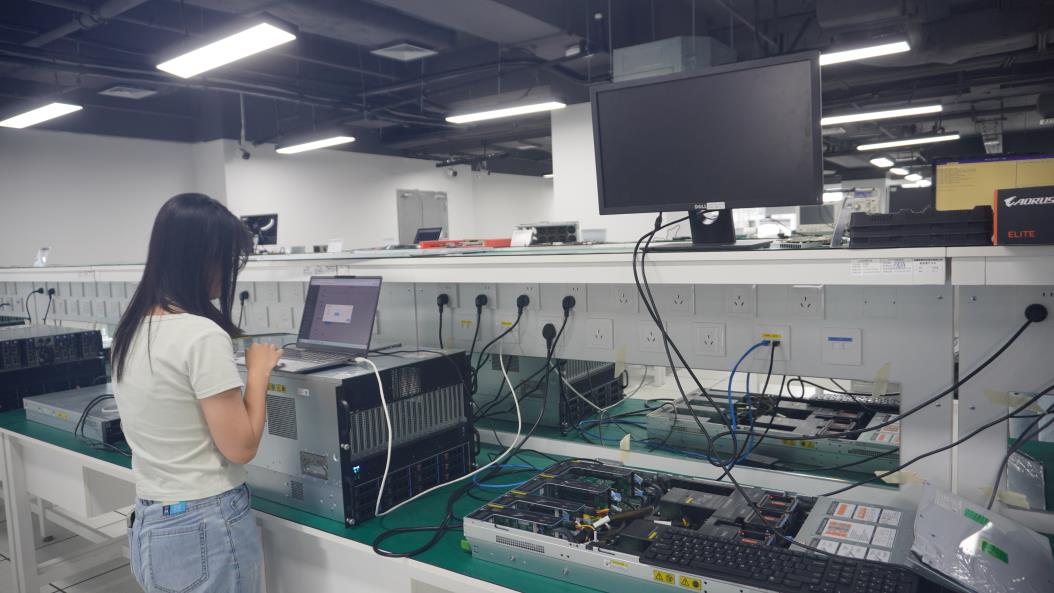
Every bare-metal system undergoes a multi-step Quality Control validation process. This includes 24 to 72 hours of burn-in testing, thermal profiling in specialized chambers, high-density memory testing, and I/O diagnostic checks. Over 42 QC professionals supervise these quality steps prior to export packaging.
Yes, our R&D engineering team (composed of roughly 180 specialists) supports custom hardware configurations. We customize system components (chassis width/depth, drive bays, custom cooling paths) as well as software settings (BIOS performance policies, custom UEFI keys, IPMI management options).
We maintain a partner ecosystem of over 860 hardware component suppliers. This allows us to source power distribution boards, memory modules, server motherboards, and cooling components reliably, shielding our clients from supply chain shortages.
With an annual export value between USD 8 million and 22 million, we handle large volume rollouts. Standard systems ship within 2 to 4 weeks depending on raw component stock, while customized server builds require 4 to 8 weeks for validation and compliance routing.
Our GPU systems are engineered with full SR-IOV and physical PCIe isolation. In virtualized settings, you can pass-through individual GPUs directly to specific VMs for raw computing performance, or use virtualization tools like Nvidia vGPU or AMD MxGPU to split a single card among multiple users.
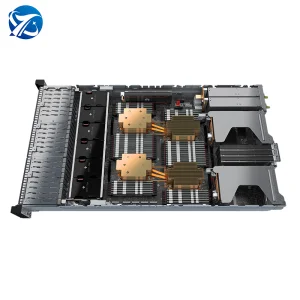
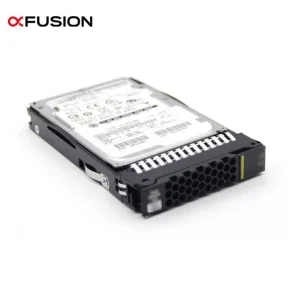
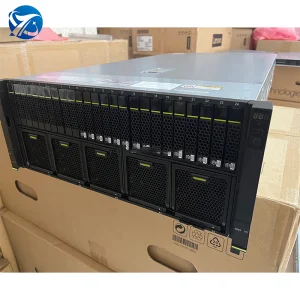
Enterprise hardware options designed to support massive virtual storage pools and high-density databases.
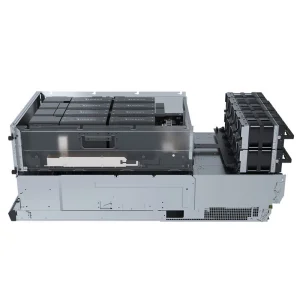

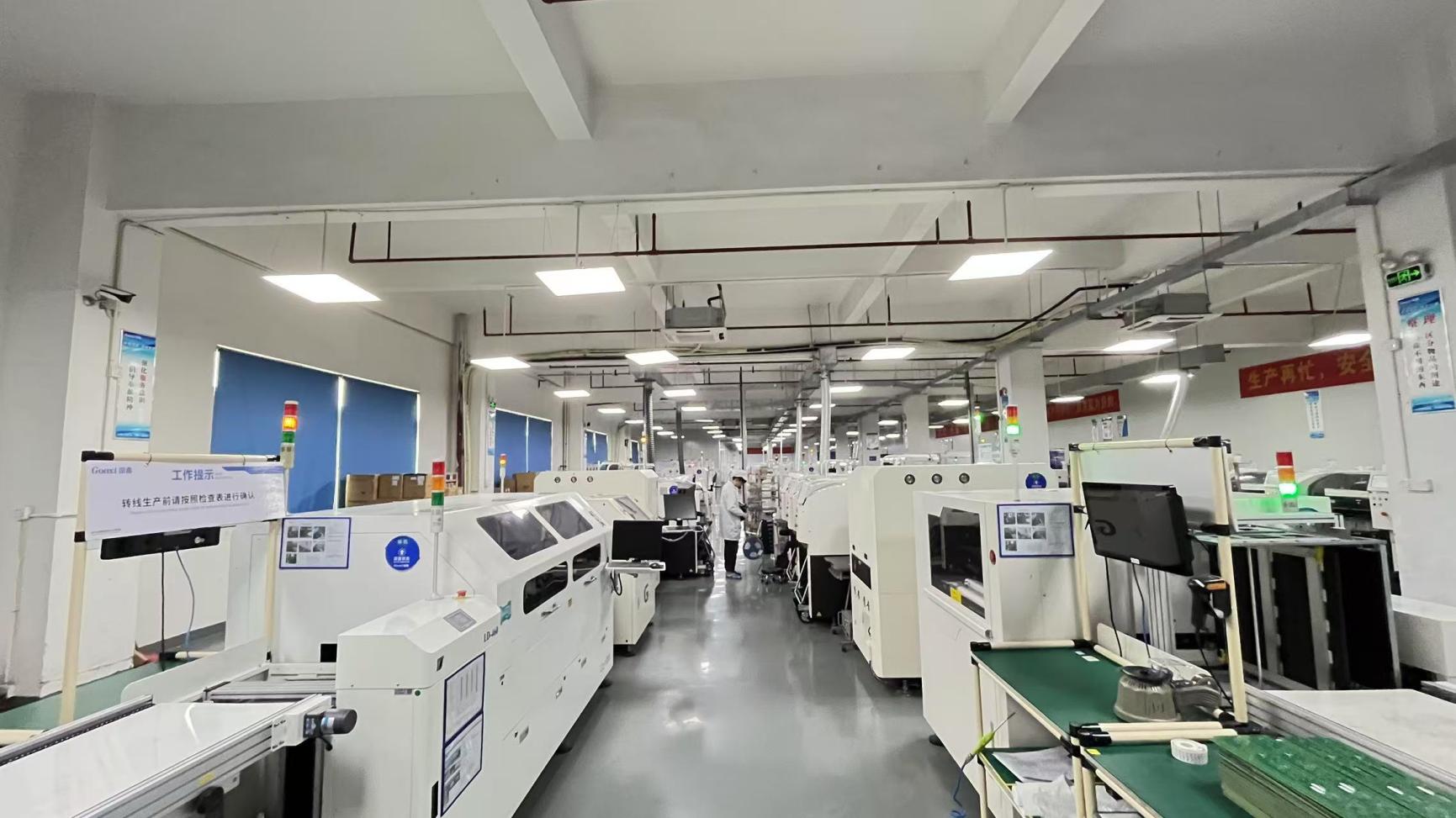
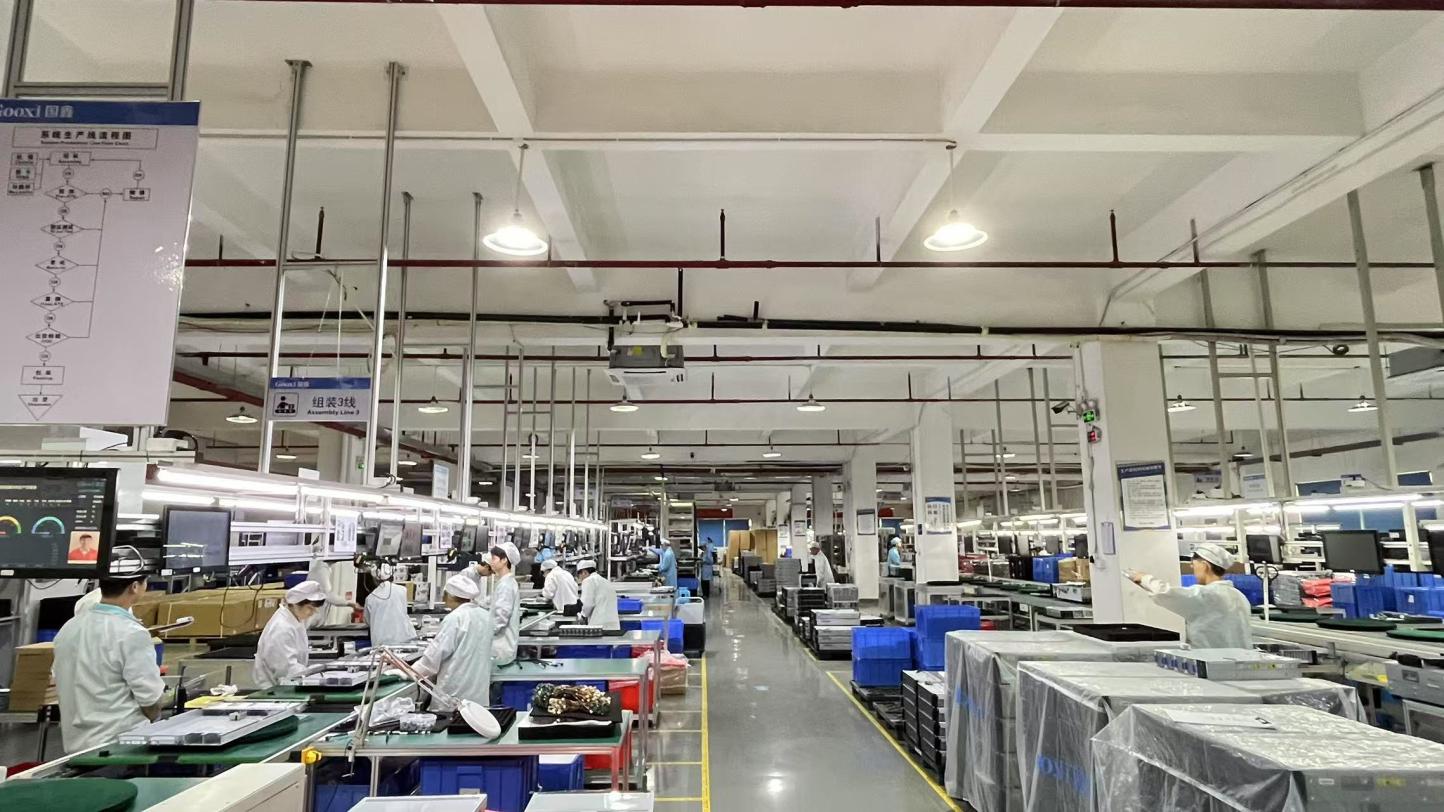
A look inside Klyvora's integrated assembly, system testing, and quality control facility.