Klyvora
Klyvora
Klyvora
Explore our engineered rack servers, storage systems, and components configured for maximum thermal efficiency.
The modern data center industry is facing an unprecedented thermal bottleneck. The exponential growth of AI workloads, Large Language Models (LLMs) like Deepseek, and high-performance computing (HPC) has led to silicon-level power density levels that air cooling can no longer handle. Standard high-performance GPUs and server CPUs now feature Thermal Design Power (TDP) exceeding 350W to 1000W per chip, pushing rack configurations well past 40kW to 100kW per cabinet.
Consequently, wholesale buyers, enterprise architects, and global procurement departments are pivoting from legacy computer room air handlers (CRAH) to advanced liquid and hybrid cooling topologies. Lowering Power Usage Effectiveness (PUE) from a global average of 1.58 down to sub-1.15 is no longer just an environmental goal; it is a hard operational requirement to avoid thermal throttling, premature silicon degradation, and runaway electrical overheads.
China-based OEM/ODM manufacturers are at the forefront of this industrial transition. By integrating raw copper extrusion, automated micro-channel CNC milling, and comprehensive leak-testing ecosystems, Chinese factories deliver customizable, high-volume server cooling solutions that align with the strict reliability metrics required by global hyperscalers.
Strategic deployment of thermal management architectures based on compute density, environmental variables, and PUE targets.
For low to medium density hardware (< 15 kW per rack). Employs multi-phase heat pipes, high-density fins, and customized composite vapor chambers. Features aluminum/copper hybrid heatsinks designed to maximize turbulence-driven air exchange.
Targeted loop cooling for processors, GPU dies, and high-frequency memory blocks. Uses closed-loop cold plates made of high-purity micro-channel copper, non-drip quick disconnect couplings, and structured distribution manifolds.
Submerging complete motherboard systems directly into customized dielectric fluid. Single-phase relies on natural/forced convection loops; two-phase utilizes fluid boiling points and condensation cycles to remove raw heat load.
Our Chinese manufacturing plants utilize high-precision CNC toolsets to mill micro-channels down to 0.15mm width. This maximizes the wetted surface area within copper cold plates, optimizing heat transfer coefficient while keeping channel pressure drops below 25 kPa under standard flow rates.
China's industrial manufacturing ecosystem provides significant structural advantages for server cooling system production. By grouping component manufacturers, metal refineries, precision CNC shops, and sealing gasket factories together in key economic zones (Shenzhen, Dongguan, and the Yangtze River Delta), lead times for custom thermal hardware projects are reduced by up to 50% compared to Western alternatives.
This localized supply chain integration allows factories to secure raw copper cathode, aluminum alloy sheets, high-grade fluoroplastic tubes, and high-performance DC pumps directly from regional distributors. This structural advantage insulates the production pipeline from sudden geopolitical issues, ocean freight delays, and global material shortages.
In addition, advanced testing labs located right on the factory floor facilitate rapid prototyping. Within 7 to 10 working days, engineering drawings can be translated into fully functional, high-precision thermal prototypes ready for vacuum leak testing and physical thermal performance analysis. This rapid iteration allows wholesale buyers to keep pace with the short refresh cycles of modern enterprise processors.
Analyzing how different operational environments, regional climate profiles, and facility layouts demand specific cooling topologies.
Edge nodes deployed in remote field stations, factory floors, or smart city traffic hubs must operate without active facility cooling water. Here, optimized air cooling systems with high-pressure fan arrays, sealed heat pipes, and robust vapor chambers are preferred. They run reliably in dirty, dusty, and unconditioned environments with minimal human intervention.
AI compute centers located in major cities face strict regulatory limits on regional power allocations. Liquid cooling (Direct-to-Chip cold plates paired with localized rear-door heat exchangers) is the primary solution. This combination keeps facility PUE under 1.15, allowing operators to run heavy AI training tasks on the city's power grid.
Hyperscale facilities located in hot, humid tropical regions or high-altitude dry areas face unique atmospheric issues. Single-phase immersion cooling is increasingly used in these environments. By isolating the motherboard from the surrounding air, it avoids humidity-driven oxidation, condensation issues, and high ambient temperatures.
Providing server cooling hardware to global enterprise markets demands strict compliance with international manufacturing, material, and electrical standards. Reliability testing is essential when deploying fluid systems inside racks of high-value compute components.
Every cold plate, manifold, connection joint, and quick-disconnect fitting must undergo pressure-cycle and burst-resistance testing to confirm it can handle long-term system pressures. Our manufacturing facilities utilize Helium Mass Spectrometer leak detection equipment, verifying that leak rates remain below 1x10⁻⁸ Pa·m³/s before any hardware leaves the factory.
Material selections must also follow environmental guidelines. We source copper and aluminum alloys that comply with RoHS (Restriction of Hazardous Substances) and REACH criteria. All manufacturing steps, assembly lines, and testing procedures operate under ISO 9001 and ISO 14001 certified quality management protocols, ensuring that global shipments arrive with full documentation and consistent quality.
Leading enterprise computing hardware assembly, optimization, and system validation partner.
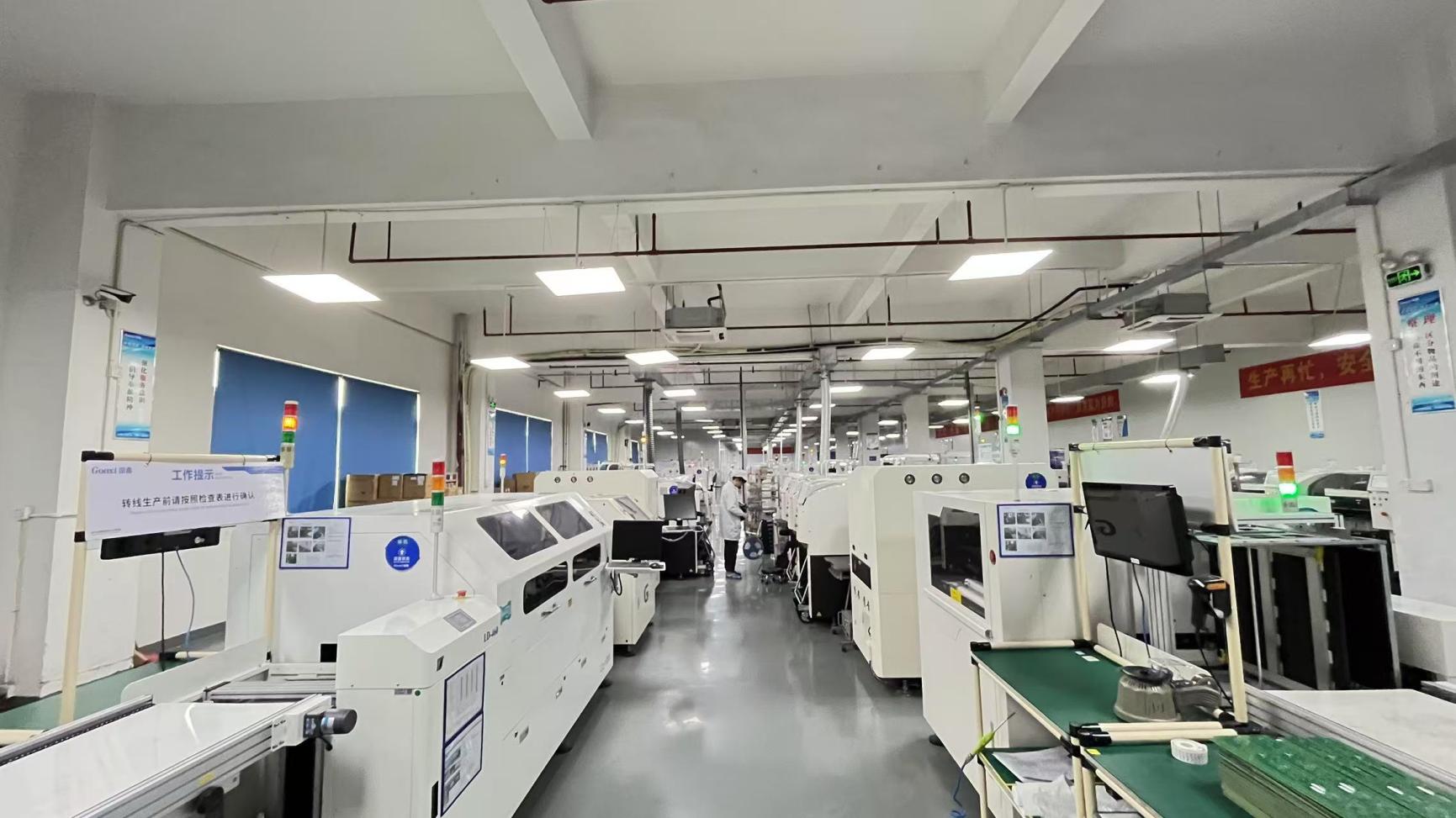
Klyvora Node Technologies Ltd. is a high-performance computing infrastructure manufacturer specializing in AI GPU server systems, scalable compute clusters, and enterprise-grade data center solutions. Established in 2016, the company operates a modern production facility with a total building area of approximately 320㎡, supporting integrated R&D, assembly, testing, and quality control operations.
The company reports annual export revenue ranging between USD 8 million and USD 22 million, with over 6 years of export experience and 11 years of accumulated industry expertise in advanced computing hardware and system integration. Klyvora maintains a strong international trade background and serves major markets including North America, Europe, the Middle East, and Southeast Asia.
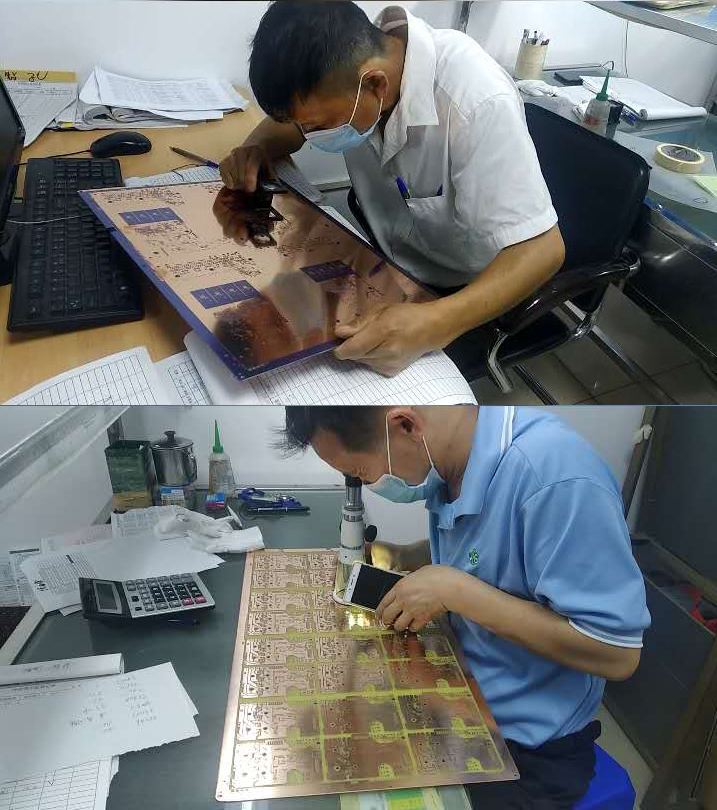
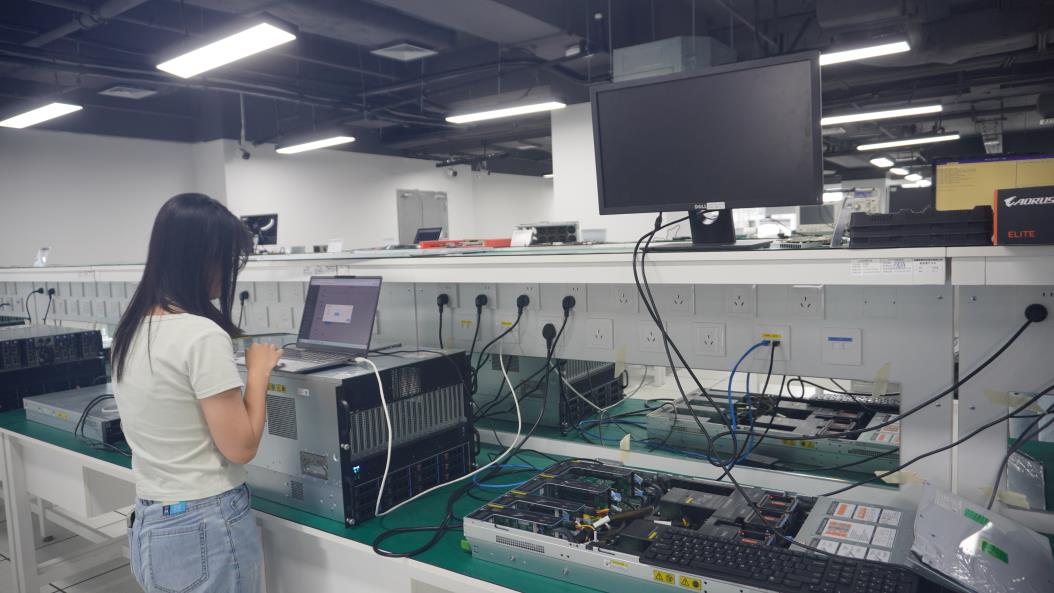
Klyvora Node Technologies employs a structured quality assurance system, combining automated testing methods, burn-in stress testing, and full-system validation procedures. Product inspection methods include thermal performance testing, hardware stress diagnostics, and multi-stage functional verification. The quality control team consists of approximately 42 dedicated professionals ensuring strict compliance with international manufacturing standards.
The company collaborates with a global supply chain network of over 860 partners, enabling stable sourcing of high-grade components such as GPUs, server-grade motherboards, power systems, and cooling solutions. Its primary customer base includes AI research institutions, cloud service providers, enterprise data centers, and HPC solution integrators.
Klyvora maintains strong R&D capabilities with a team of around 180 engineers focused on GPU server architecture optimization, liquid cooling innovation, and AI workload acceleration. The company supports a wide range of customization options, including chassis design, thermal configuration, GPU density optimization, and firmware-level system tuning.
In the past year, Klyvora has launched approximately 86 new products, reflecting its continuous innovation in high-density computing systems and next-generation AI infrastructure solutions.

Answering common questions about deployment, installation, compatibility, and maintenance of server cooling systems.
Complete your hardware deployment with verified high-performance storage nodes and system expansion components.