Klyvora
Klyvora
Klyvora
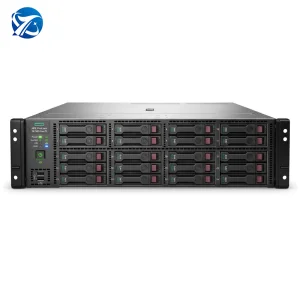
Deploy critical network switches with high-density GPU computing and rackmount server systems to optimize data flow and eliminate performance bottlenecks.

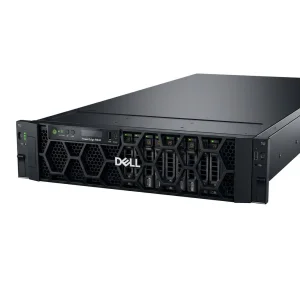
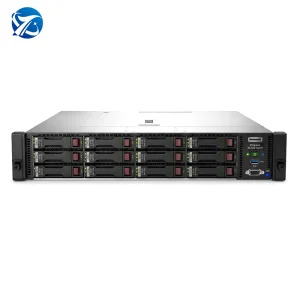


The global digital architecture is undergoing an unprecedented shift. Driven by multi-billion parameter large language models, enterprise artificial intelligence, and the rapid deployment of distributed databases, high-speed network switches have transitioned from supporting roles to the absolute center of computational performance. In modern high-performance computing (HPC) networks, latency is no longer measured in milliseconds; it is analyzed at the sub-microsecond level.
Enterprise data centers are aggressively phasing out older 10G/25G technologies, upgrading to non-blocking 100G, 400G, and 800G Ethernet infrastructures. The demand for massive throughput is fueled by the emergence of distributed AI model training, where model parallelism requires constant, high-frequency synchronization across hundreds of physical nodes. A single packet drop or latency spike in the interconnect layer can stall millions of dollars worth of computing equipment, turning high-capacity switching nodes into the primary point of optimization for network architects globally.
Leveraging deep vertical supply chain integration, advanced automated assembly lines, and rapid structural design prototyping to deliver world-class networking systems.
By positioning manufacturing in key technology manufacturing clusters, we source raw ASICs, high-quality copper interfaces, multi-layer high-frequency PCB substrates, and optical transceivers with virtually zero delay, drastically reducing lead times.
Advanced Surface Mount Technology (SMT) lines combined with Automated Optical Inspection (AOI) and hardware-level signal integrity testing guarantee packet transfer accuracy and structural durability across continuous load variations.
Our collaborative structural and firmware engineers allow you to customize chassis dimensions, thermal airflow direction (Front-to-Back or Back-to-Front), custom branding, and Network Operating System (NOS) pre-installations.
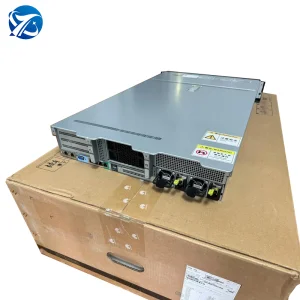
Klyvora Node Technologies Ltd. is a high-performance computing infrastructure manufacturer specializing in AI GPU server systems, scalable compute clusters, and enterprise-grade data center solutions. Established in 2016, the company operates a modern production facility with a total building area of approximately 320㎡, supporting integrated R&D, assembly, testing, and quality control operations.
With an established foundation in cutting-edge computing environments, the company reports annual export revenue ranging between USD 8 million and USD 22 million, backed by over 6 years of international export experience and 11 years of accumulated industry expertise in advanced computing hardware and system integration. Klyvora maintains a strong international trade background and serves major markets including North America, Europe, the Middle East, and Southeast Asia.
By blending system-level hardware design with robust network architectures, we enable hyperscalers and enterprises to deploy hardware that delivers uninterrupted line-rate performance. Whether integration demands raw computing power or ultra-low-latency network switches, our platforms represent the highest standards of modern engineering.
Inside our specialized validation facilities, systems are built, optimized, and stress-tested to operate under high-thermal workloads and continuous data transmission cycles.
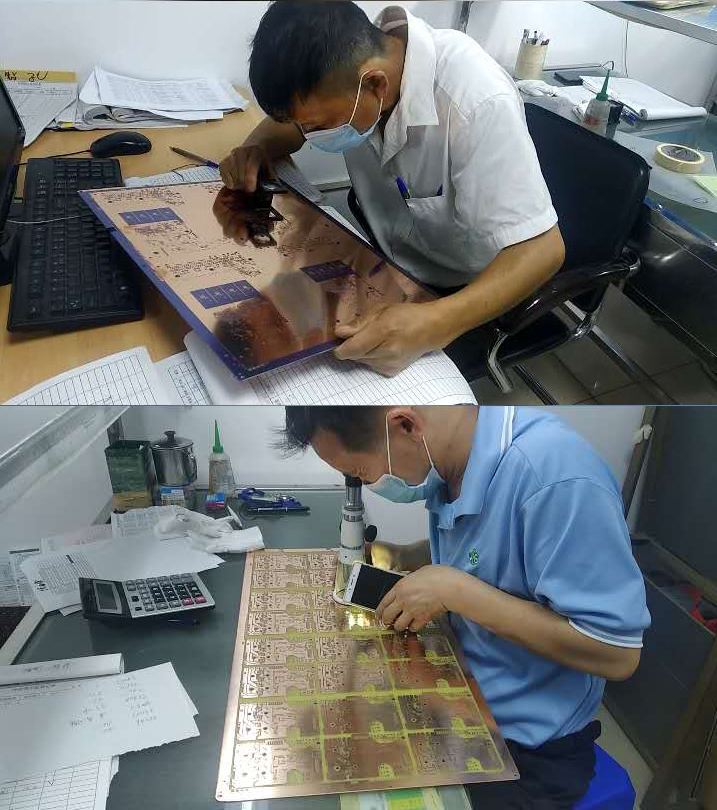
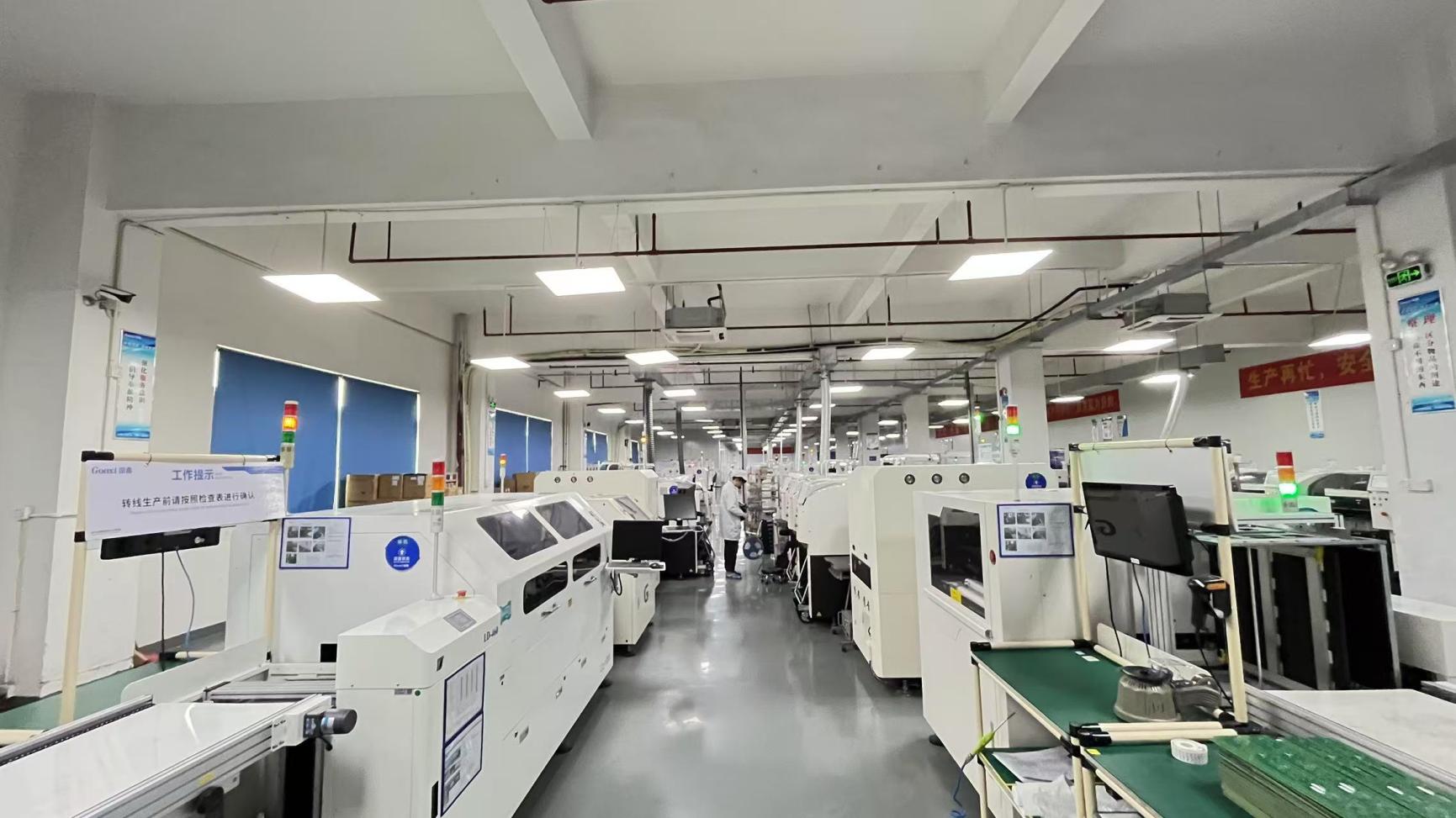
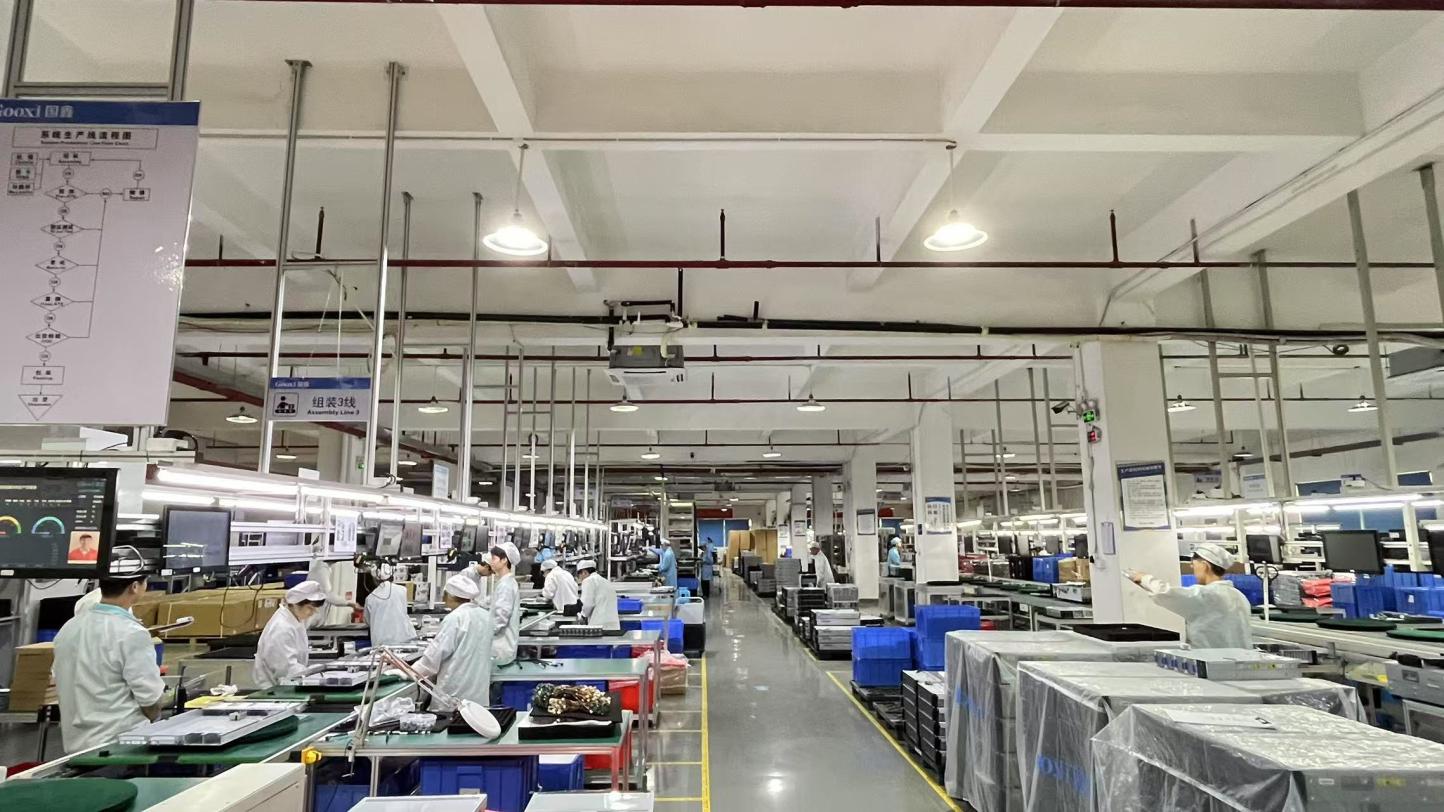
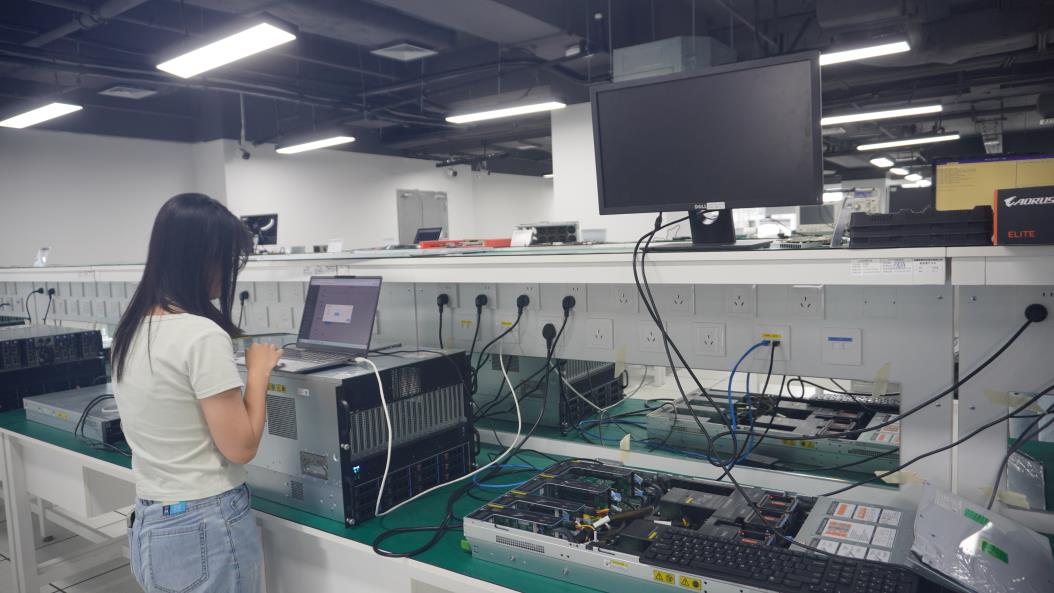
At Klyvora Node Technologies, we recognize that infrastructure reliability is the single most critical asset in high-speed enterprise deployments. The company employs a structured quality assurance system, combining automated testing methods, burn-in stress testing, and full-system validation procedures. Product inspection methods include thermal performance testing, hardware stress diagnostics, and multi-stage functional verification.
Our quality control team consists of approximately 42 dedicated professionals ensuring strict compliance with international manufacturing standards. Collaborating with a global supply chain network of over 860 partners, we enable stable sourcing of high-grade components such as next-generation ASICs, server-grade motherboards, high-efficiency power systems, and advanced liquid cooling blocks. This rigorous oversight means every switch and compute node leaving the production floor possesses the endurance required for modern enterprise workloads.
Optimizing network infrastructure requires tailoring the hardware configurations to match the specific physical, thermal, and logical topologies of the deployment site.
In facilities deploying deep learning workloads, including DeepSeek and other highly parameter-dense architectures, high-speed network switches are configured with RoCE v2 to support low-latency direct memory access between GPU servers, preventing processing stalls during gradient calculations.
For large-scale cloud data centers, our high-density switches serve as spine layers, providing high-bandwidth non-oversubscribed throughput that allows east-west traffic flow across virtualization platforms and microservices without bottlenecking.
Designed for corporate core topologies requiring secure local networking. Integrates high-density VLAN processing, ACL policy control, and deep hardware-level QoS configurations to manage and prioritize mission-critical enterprise applications.
The roadmap for enterprise interconnects is accelerating at a rate never seen before. Traditional copper networking cables are hitting physical limits concerning attenuation, cross-talk, and power dissipation at speeds exceeding 100Gbps per lane. As a result, the industry is witnessing a rapid migration towards optical infrastructure, particularly Silicon Photonics (SiPh).
By embedding optical transceivers directly into the silicon package (Co-Packaged Optics - CPO), switch manufacturers can reduce power consumption by up to 30% while scaling hardware speeds to 800G, 1.6T, and beyond. In parallel, advanced liquid cooling technology is migrating from high-density CPU/GPU sockets directly onto the switch silicon, ensuring that next-generation switching chips maintain high-frequency throughput without triggering thermal throttle safety shutdowns.
Navigating international procurement cycles requires deep supply-chain intelligence, technical compatibility checks, and long-term hardware longevity planning.
Global supply chains frequently face delays in critical ASIC allocations. Working with an agile manufacturer that commands an active ecosystem of over 860 direct suppliers ensures access to alternate source options and predictable component lead times.
Enterprise platforms require hardware-level assurance that switches will work seamlessly with heterogeneous transceivers, network cards, and network operating system configurations (e.g., standard firmware or custom Linux kernel setups).
High-speed ports draw significant power per link. Systems must be engineered utilizing high-efficiency internal power supplies (80 Plus Titanium / Platinum levels) to reduce power distribution losses and drop operational cooling demands.
Critical technical insights to help engineers, CTOs, and hardware buyers navigate complex network design specifications.
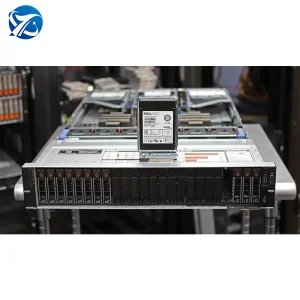
Coordinate computing power and high-speed memory modules with scalable networking layers to build low-latency hyperconverged infrastructures.