Klyvora
Klyvora
Klyvora
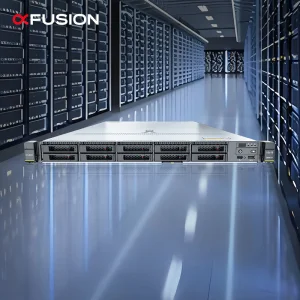
High-reliability server barebones, storage accelerators, and processors for next-generation data center deployments.
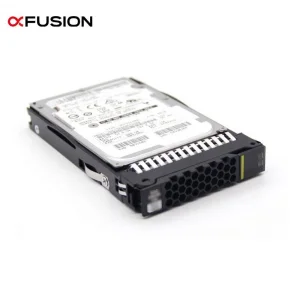
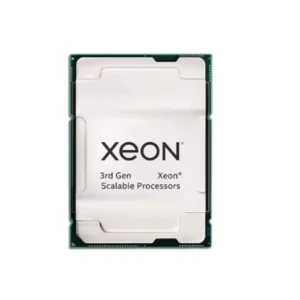
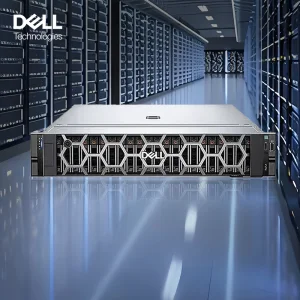
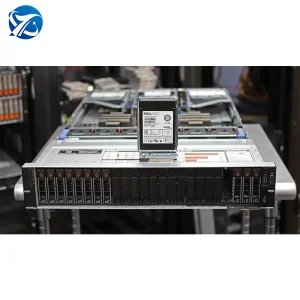
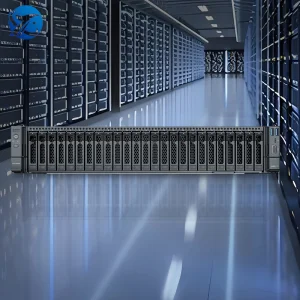
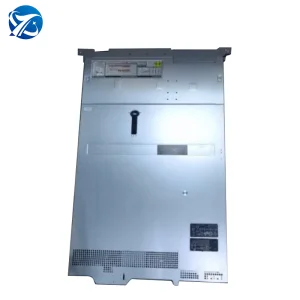
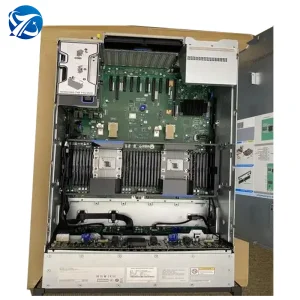
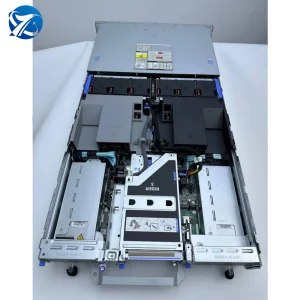
Klyvora Node Technologies Ltd. is a high-performance computing infrastructure manufacturer specializing in AI GPU server systems, scalable compute clusters, and enterprise-grade data center solutions. Established in 2016, our engineering teams build and configure dense server node frameworks that serve as the physical bedrock for modern semantic web algorithms, generative AI compute pipelines, and complex localized hosting grids.
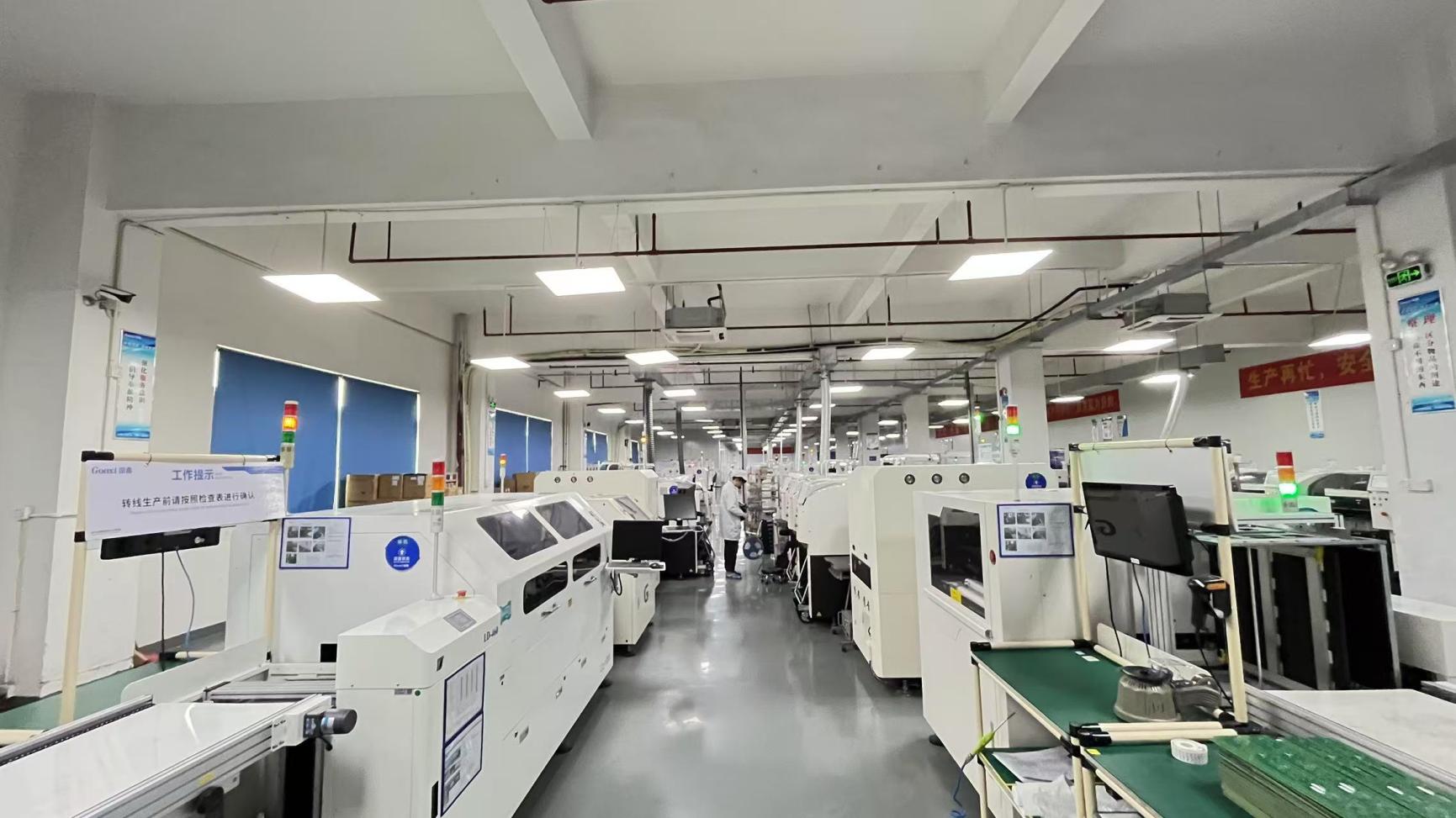
Operating a specialized, modern production facility with a total building area of approximately 320㎡, Klyvora integrates comprehensive R&D, precision assembly, extreme environmental stress testing, and multi-layered quality control operations. Over the last decade, high-density server configurations have shifted toward GPU-accelerated node patterns. To handle this transition, we support advanced firmware custom tuning, custom power delivery channels, and physical structural modifications designed to interface natively with top-tier Data Center Management (DCM) systems.
Our company reports annual export revenues ranging between USD 8 million and USD 22 million. Supported by over 6 years of direct cross-border export experience and 11 years of deep-rooted industry expertise in advanced computing hardware design, system integration, and global logistics, Klyvora serves major computing markets in North America, Europe, the Middle East, and Southeast Asia.
Managing data center clusters requires hardware built with remote manageability, structural thermal efficiency, and component modularity in mind.
Data centers rely heavily on IPMI 2.0, Redfish API, and SNMP protocols to track node diagnostics (voltage, thermal index, fan cycles) without taxing hypervisor operating systems. Our chassis architectures interface cleanly with open-source and proprietary DCIM software suites.
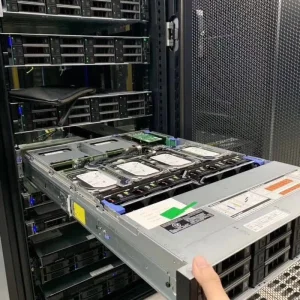
Modern physical plant floors measure cost per rack unit. High-density structures (like 1U/2U multi-node, 4U multi-GPU systems) require toolless rail assemblies, hot-swappable enterprise storage, and redundant, high-efficiency power supplies (80 Plus Titanium certification).
Enterprise security profiles demand secure boot capabilities, firmware signature verification, and TPM 2.0 modules. Klyvora configures server motherboards to ensure deep protection from firmware-level supply chain vulnerability threats.
How our manufacturing cluster model optimizes system integration, logistics, and material procurement pipelines.
By utilizing a vast components network of over 860 supply partners, Klyvora maintains continuous access to raw materials and crucial silicon, mitigating supply chain bottlenecks.
Our 180-engineer R&D department specializes in solving structural limits for enterprise server deployments. By utilizing localized component sourcing in Shenzhen and neighboring technology parks, we can adapt server hardware layout and thermal designs rapidly.
Whether your project requires custom short-depth chassis for edge networks or custom-designed thermal heat sinks for ultra-dense 2U rack cabinets, our team accelerates time-to-market. In the previous year alone, we developed and launched 86 new products, keeping our international client base at the cutting edge of infrastructure design.
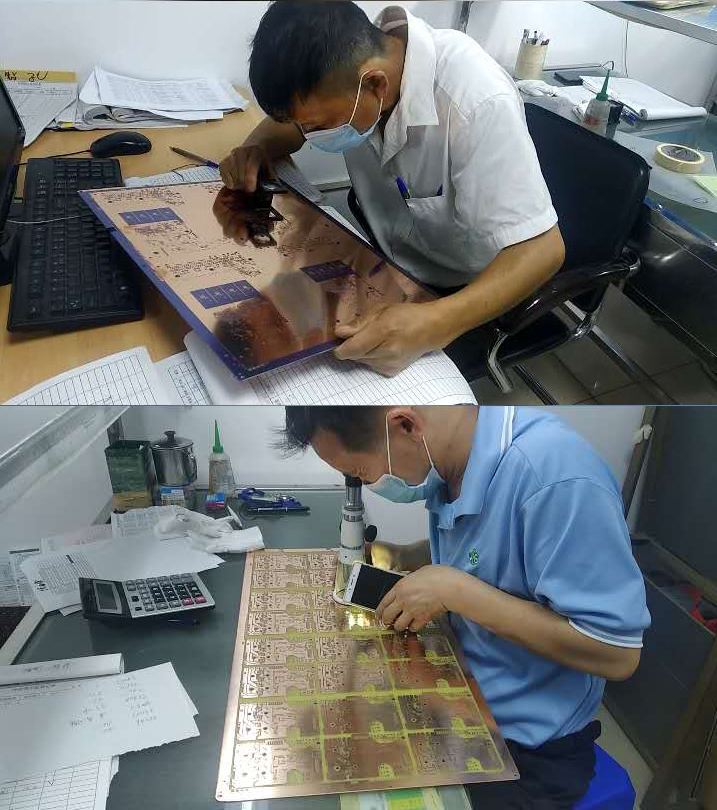
Every server configuration undergoes multi-tier testing before international deployment, ensuring rock-solid field reliability.
Infrared scan diagnostics trace system hot-spots at max computing capacity. This guarantees air routing paths prevent core chip thermal throttling.
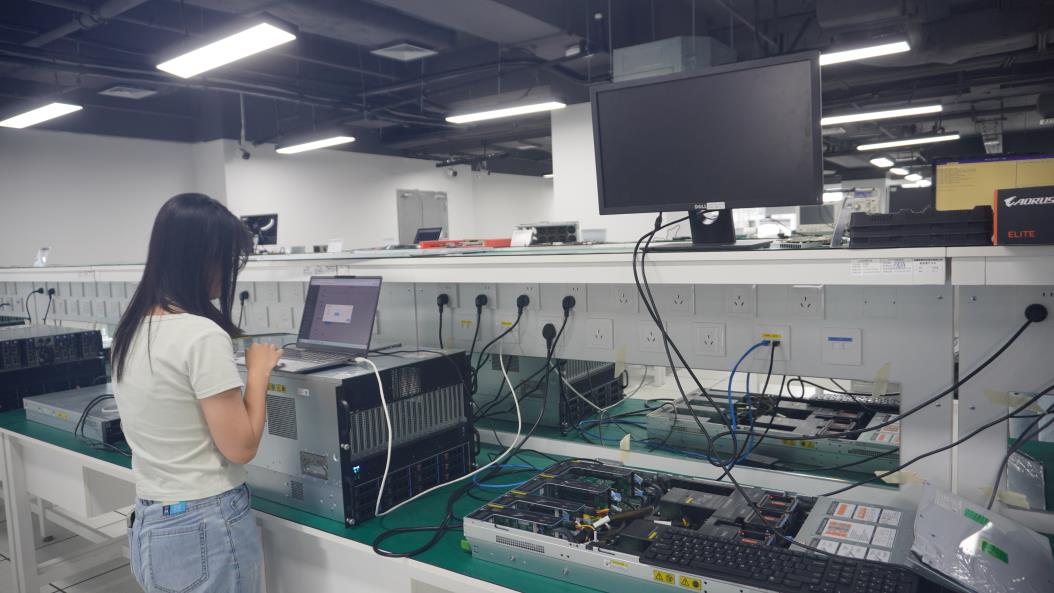
Hardware systems run high-load computing tasks for 48 to 72 hours. This step exposes early-stage component defects to prevent field failures.
Comprehensive verification of PCIe lane bandwidth, memory read/write cycles, and SSD error-correcting codes (ECC) to prevent data corruption.
Verifying correct reporting metrics for fan RPMs, power utilization, temperature sensors, and out-of-band remote control commands via Redfish APIs.

As computing configurations shift towards intense workloads, hardware integration and cooling layouts must evolve accordingly.
As processor thermal design power (TDP) exceeds 350W for CPUs and 700W for advanced GPUs, traditional air-based cooling approaches hit performance limits. At Klyvora, our engineering roadmap prioritizes Direct-to-Chip (D2C) liquid cooling blocks and closed-loop hybrid solutions. These designs integrate directly into the server chassis, lowering Power Usage Effectiveness (PUE) to help client sites meet strict environmental targets.
Industrial IoT automation and low-latency applications are driving the need for micro data centers located outside traditional facilities. These remote units require highly reliable management systems capable of tracking equipment health autonomously. Our research and development projects focus on building compact, high-efficiency nodes that run integrated telemetry packages, allowing remote operators to troubleshoot problems without on-site technical support.
The next generation of DCIM platforms leverages machine learning models to detect hardware degradation before a failure occurs. Our server nodes track and export detailed operating diagnostics, including subtle power fluctuations and fan rotation anomalies. By feeding this telemetry into DCIM predictive engines, operators can schedule system maintenance before hardware issues disrupt active workloads.
We deliver tailored computing systems designed for the unique infrastructure requirements of different enterprise markets.
Hyperscale sites need predictable, standardized hardware configurations that deploy rapidly. We provide custom server chassis assemblies, hot-swappable storage units, and barebone setups optimized for simple deployment and maintenance.
AI workloads require dense GPU systems, efficient data pathways, and high-performance PCIe buses to run models like DeepSeek. Klyvora configures high-density GPU nodes featuring specialized layout solutions and direct thermal heat management.
Enterprise applications prioritize data security, reliability, and firmware control. We supply server options with embedded TPM chips, secure boot capabilities, and IPMI management platforms that integrate into current security structures.
Operating across global markets requires adhering to strict regulatory frameworks and providing responsive post-sales support.
To support trouble-free integration into international facilities, Klyvora products meet key global standards, including CE, FCC, RoHS, and UL. Our engineering and manufacturing processes ensure compliance with electromagnetic interference (EMI) limits and hazardous material restrictions, simplifying import customs clearance.
Standard server configurations may not always meet specific software requirements. Our engineers offer customized BIOS options, configure fan curves for quiet operation in office-adjacent racks, and pre-verify storage setups. This level of customization ensures units are ready to deploy immediately upon arrival.
"By coordinating with international carrier networks, Klyvora manages end-to-end logistics, handling export documentation and customs processes to deliver systems safely to your facility."
Working with a specialized manufacturer allows you to bypass typical supply chain markups while retaining full control over hardware specifications.
Answers to common technical and logistical questions from system architects and bulk buyers.
Our systems leverage standard, non-proprietary AST2500 and AST2600 baseboard management controllers (BMCs). These controllers utilize industry-standard Redfish APIs, IPMI 2.0, and SNMP protocols. This allows our servers to integrate seamlessly into existing management platforms like open-source OpenBMC, Datadog monitoring agents, or major enterprise DCIM solutions.
We offer both Direct-to-Chip (D2C) cold plate setups and immersion-ready server options. For standard 1U/2U servers, we configure D2C blocks directly on CPUs and GPUs, routed to external quick-disconnect fittings on the rear panel. Additionally, we customize system components to withstand dielectric fluid immersion, accommodating clients building ultra-low PUE operations.
Our 42-person QC team monitors assembly across key phases: incoming component verification, sub-assembly inspections, and final system diagnostics. Fully assembled systems undergo a rigorous 48-to-72 hour burn-in process running heavy diagnostic loads. This test profile monitors temperature ranges and component stability to ensure reliability in the field.
Yes, our R&D department provides custom firmware profiles. We can configure specialized fan curves, disable unused PCIe lanes to reduce power draw, set up custom boot-up priorities, and pre-integrate SSL security certificates. This ensures your nodes deploy securely and automatically upon installation.
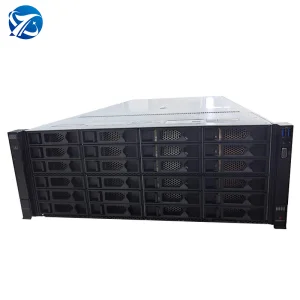
Explore our complete lineup of rackmount servers, processor modules, and solid-state drives engineered for intensive enterprise workloads.