Klyvora
Klyvora
Klyvora
Premium server infrastructures engineered for deep-learning clusters, high-density storage, and real-time networking workloads.
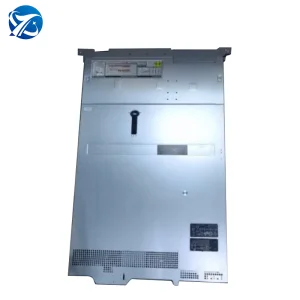
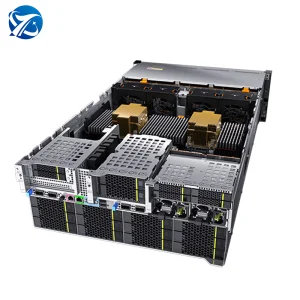
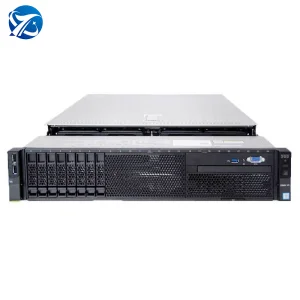
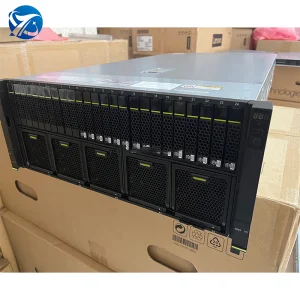
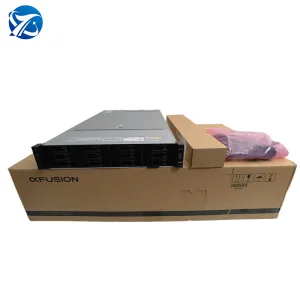
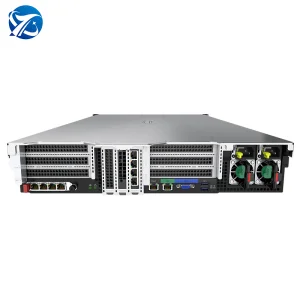
As deep learning, high-performance computing (HPC), and large language models (LLMs) continue to scale, the bottleneck has shifted from local processor cycles to system-wide network capabilities. Hardware and networks must merge. Modern server structures function as unified nodes within giant cluster environments, meaning network performance directly governs computing utility.
Klyvora Node Technologies Ltd. stands at the forefront of this industrial transformation. Established in 2016, the company operates a specialized high-performance computing infrastructure facility, engineered for the development, validation, and optimization of GPU server assemblies and storage networks. By optimizing hardware architectures for complex environments (including target models such as DeepSeek, LLaMA, and internal enterprise architectures), Klyvora bridges the gap between hardware fabric and system execution.
"Traditional servers compute; optimized nodes collaborate. The modern data center demands high-density, low-latency, and thermally efficient architectures designed from the silicon layout up to the cluster controller."
Analyzing key advancements that shape enterprise system networks, hardware design, and cluster architectures.
Enterprise requirements dictate not just generic hardware, but customized, stress-tested, and validated platforms.
| Procurement Pillar | Technical Challenge addressed | Solution Framework | Klyvora Engineering Competency |
|---|---|---|---|
| Thermal Compliance | Thermal throttling at high compute TDP limits server performance and causes system faults. | Customized heat-sink arrays, liquid-cooling loops, and dynamically controlled high-CFM chassis fans. | Advanced thermal modeling, tailored airflow baffles, and integration of liquid-to-air cooling options. |
| Supply Chain Reliability | Component shortages (GPUs, high-speed RAM, enterprise SSDs) delay critical deployments. | Direct sourcing agreements with tier-1 semiconductor and memory components vendors. | Direct supply pipeline with over 860 partners, securing CPUs, server motherboards, and PM897 solid-state drives. |
| Cluster Interconnectivity | Traditional networking drops packets during multi-node synchronized parameter updates. | System level validation of high-speed interconnect interfaces (up to 400GbE / InfiniBand HDR/NDR). | Pre-configured system profiles designed for DeepSeek training configurations and high-throughput data centers. |
| Quality Standards | Infant mortality of system parts leads to high maintenance costs in remote cloud centers. | Multi-phase burn-in testing, thermal cycling, and hardware diagnostic procedures. | 42 QA professionals executing automated hardware diagnostics and full-system stress tests prior to export. |
Custom frameworks designed to optimize network pathways and maximize system hardware utilization.
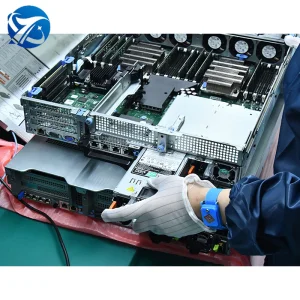
A closer look at our infrastructure: 320㎡ dedicated facility optimized for R&D, precision assembly, and multi-stage testing.
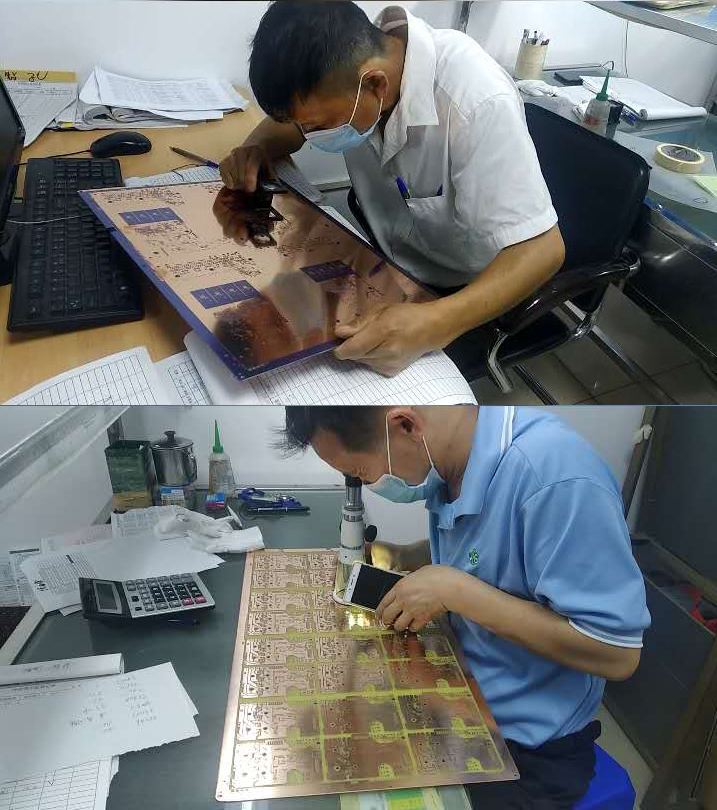
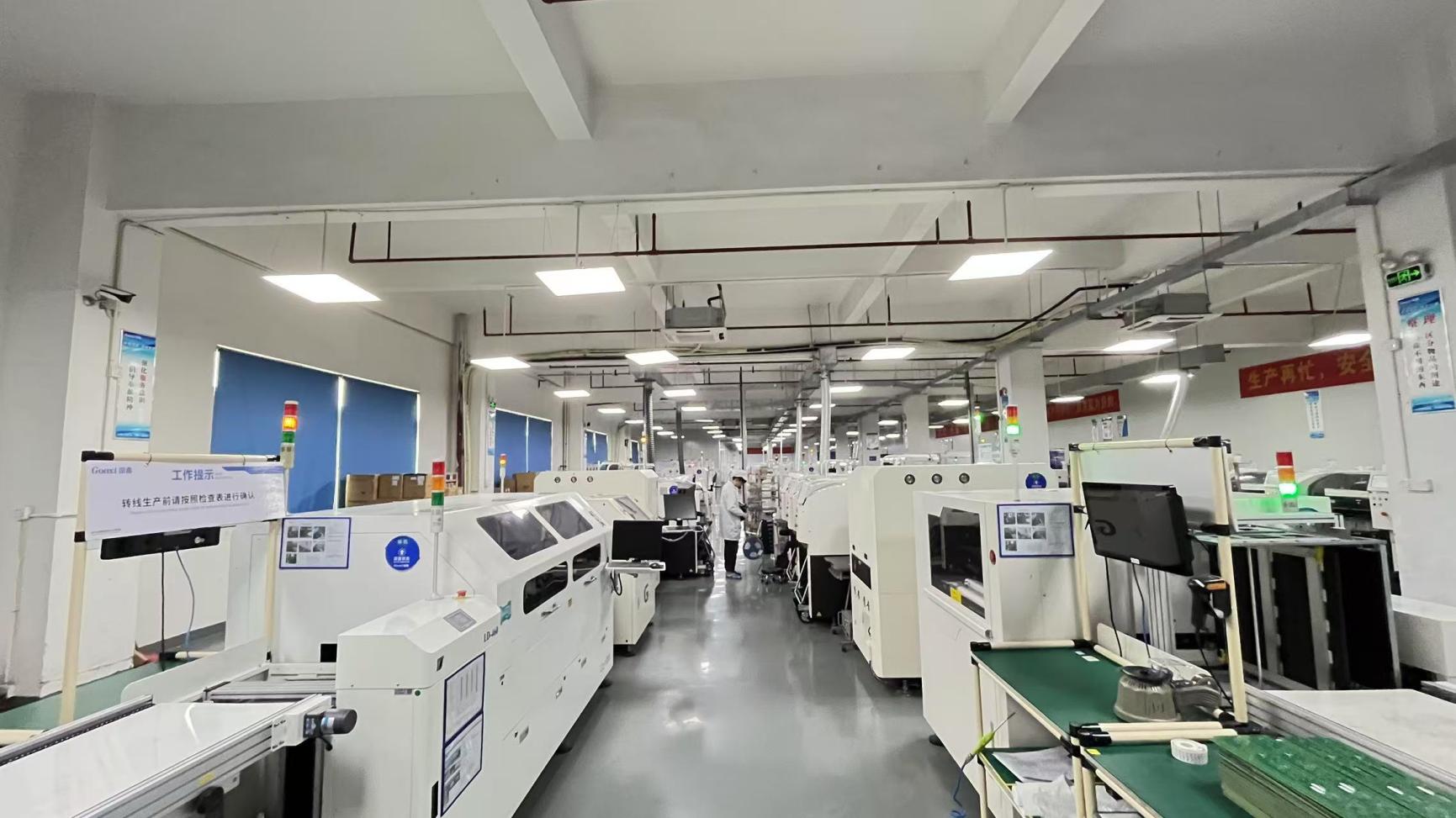
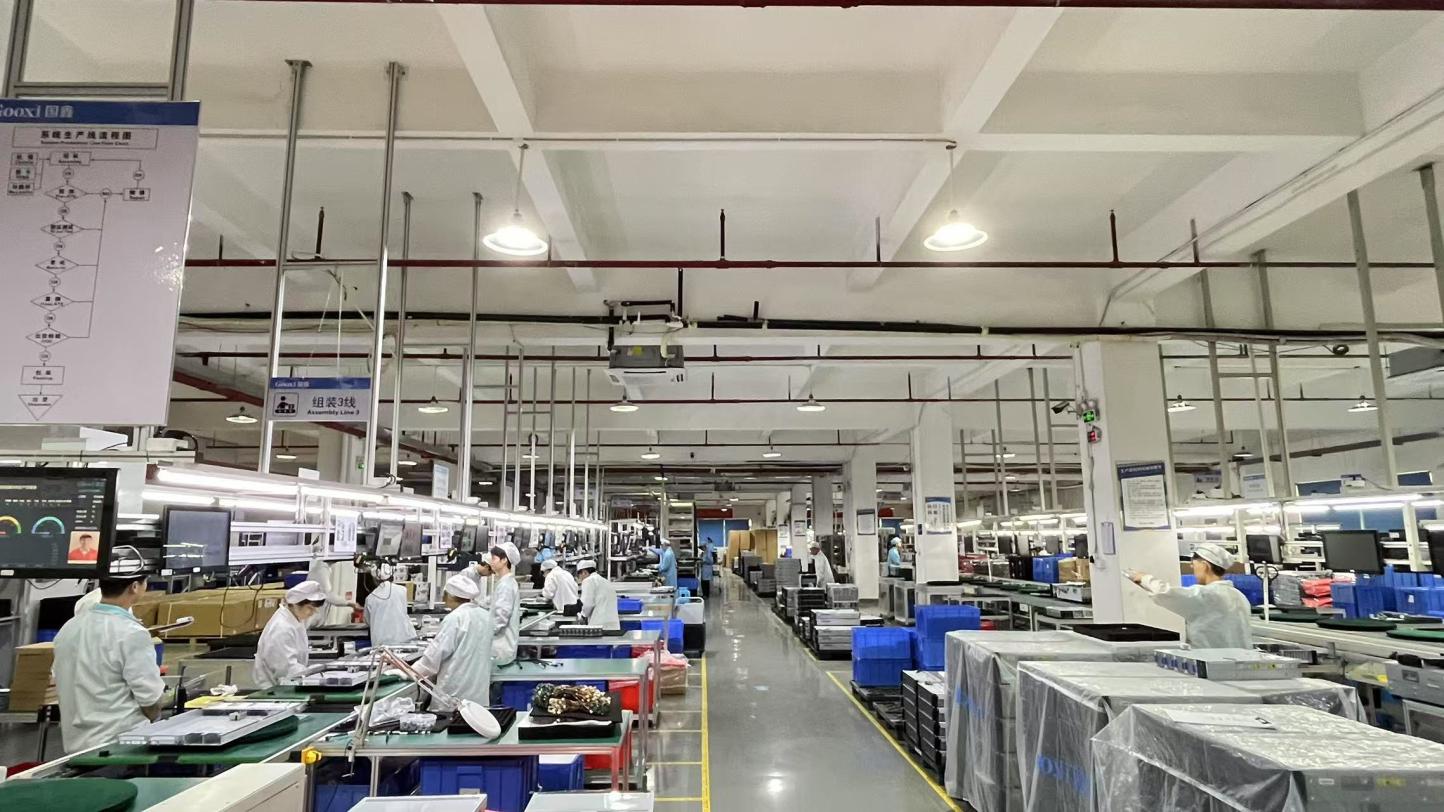
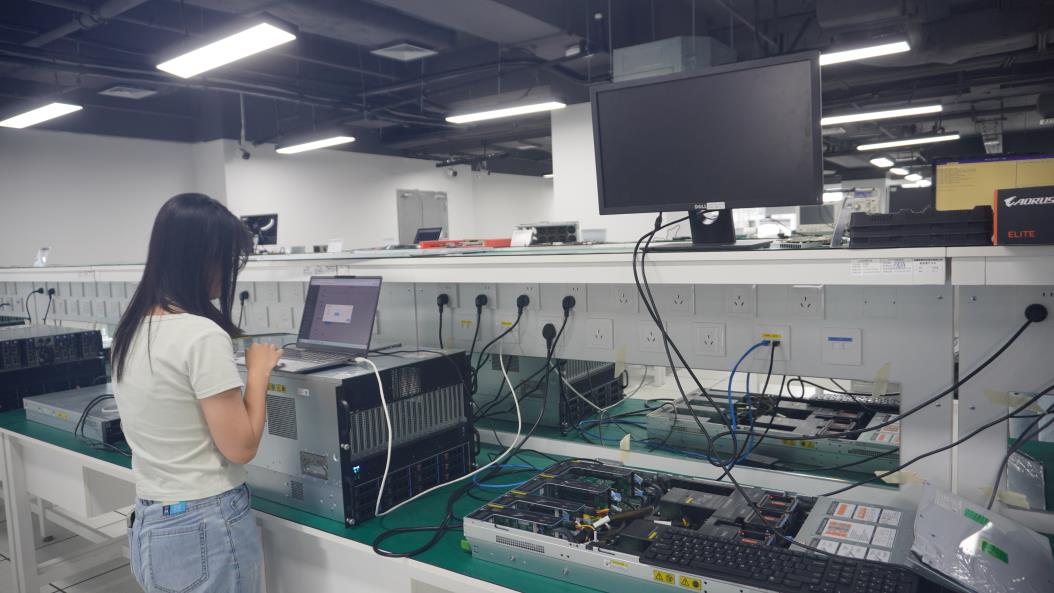
Klyvora Node Technologies Ltd. maintains a structured validation framework. Every GPU server, low-depth computing rack, and storage server undergoes multi-stage functional diagnostics, thermal modeling verification, and automated burn-in stress runs.
Over the last fiscal year, our engineering team launched approximately 86 new customized product variations, directly reflecting our continuous innovation in high-density computing platforms, server thermal cooling, and firmware system optimization.
Our deep localization capabilities, international trade setup, and structured supply chains enable us to export high-performance systems to critical enterprise markets in North America, Europe, the Middle East, and Southeast Asia.
Addressing the core technical challenges, network configurations, and deployment strategies of modern HPC infrastructures.
We focus on physical bus and interface alignments. By utilizing PCIe Gen 5 routing, direct motherboard-to-NIC pathways, and optimizing BIOS settings for low-latency RDMA performance, we significantly minimize internal system bottlenecks. We also work closely with clients to configure RoCE v2 or InfiniBand fabrics, bypassing kernel stacks for faster inter-node operations.
Our engineering team supports extensive customization, including custom rack chassis design, internal fan cooling configurations, GPU mounting density adjustments, high-amperage power delivery setups, and custom firmware/BIOS tuning. This guarantees full compatibility with specific AI orchestrators, hypervisors, and virtualization platforms.
We use high-conductivity copper heatsinks, heavy-duty chassis fans with smart PWM speed curves, and optimized airflow baffles to direct air across high-heat zones like GPUs and CPUs. For modern 2U and 4U configurations (which can draw over 1000W of power), we also offer tailored air and liquid-assisted cooling integrations to prevent thermal throttling.
Our quality control division runs every server through a rigorous multi-hour burn-in phase. This testing monitors voltage tolerances under maximum workloads, checks thermal performance under heavy processing stress, and runs memory test suites to catch component issues early.
Explore our high-throughput SSDs, low-latency rackmounts, and scalable node expansions.