Klyvora
Klyvora
Klyvora
The global telecommunications and enterprise networking landscape is undergoing a fundamental restructuring. As cloud computing, containerized edge nodes, and high-density deep learning infrastructures expand, traditional proprietary hardware appliances are being replaced. Software-Defined Networking (SDN) has transitioned from a theoretical virtualization layer to the primary architecture operating across hyper-scale datacenters.
By decoupling the physical data plane (packet forwarding hardware) from the control plane (the routing software engine), SDN enables network administrators to dynamically orchestrate routing configurations, firewall rules, load balancing metrics, and bandwidth allocations on demand. This shift demands a new standard of physical infrastructure: agile, bare-metal servers, open compute switches, and high-performance network storage platforms that interoperate seamlessly with software network virtualizers (such as OpenFlow, VMware NSX, or open-source OpenStack frameworks).
Direct compatibility with virtual switch networks, SmartNIC components, and direct memory access configurations for optimized compute orchestration.
Leverage modular computing chassis, programmable switches, and open-source network OS structures to prevent single-vendor ecosystem lock-in.
Analyze live switch and data flow parameters at hardware wire speed, enabling AI-driven network intelligence models to predict anomalies instantly.
When international cloud architects, telecommunication carriers, and financial service platforms procure network switches, GPU arrays, or rack configurations, their criteria focus on maximum operational efficiency. The integration of deep learning pipelines (such as DeepSeek model engines) requires high-throughput data backbones that mitigate micro-second package latencies.
Key global hardware procurement specifications include:
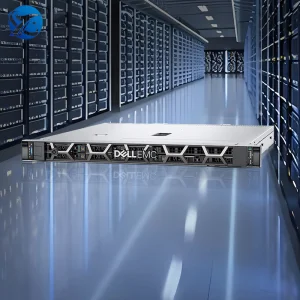
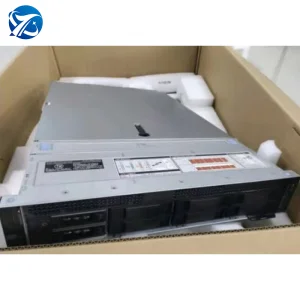
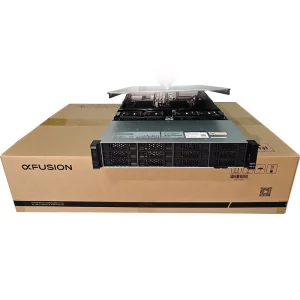
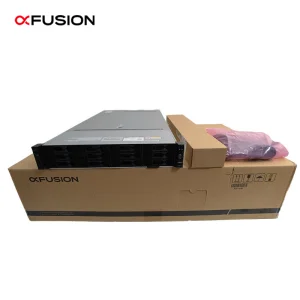
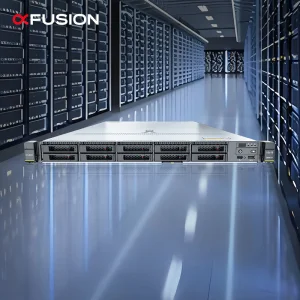
Furthermore, global deployments require system-wide standardization. Sourced equipment must interface cleanly with established systems (such as Dell PowerEdge, HPE ProLiant, and xFusion computing centers) to maintain configuration consistency across diverse cloud nodes.
The competitive edge of manufacturing high-performance computing hardware in China is rooted in the industrial synergy of Factory 4.0 principles. The ecosystem supports rapid iteration, reliable supply lines, and precise customization capabilities that remain unmatched globally.
Klyvora Node Technologies Ltd. represents this modern paradigm of computing infrastructure manufacturing. Established in 2016, Klyvora has built over 11 years of industry expertise and 6 years of international trade operations. Operating from a specialized R&D and assembly site, Klyvora focuses on advanced system design, component integration, and comprehensive stress-testing setups.
Supported by a network of over 860 global supply chain partners, Klyvora ensures stable procurement of core components—including processors, GPUs, server motherboards, and cooling modules. This network enables a flexible customization cycle (including custom chassis, thermal designs, and firmware modifications) while maintaining competitive pricing for global markets.

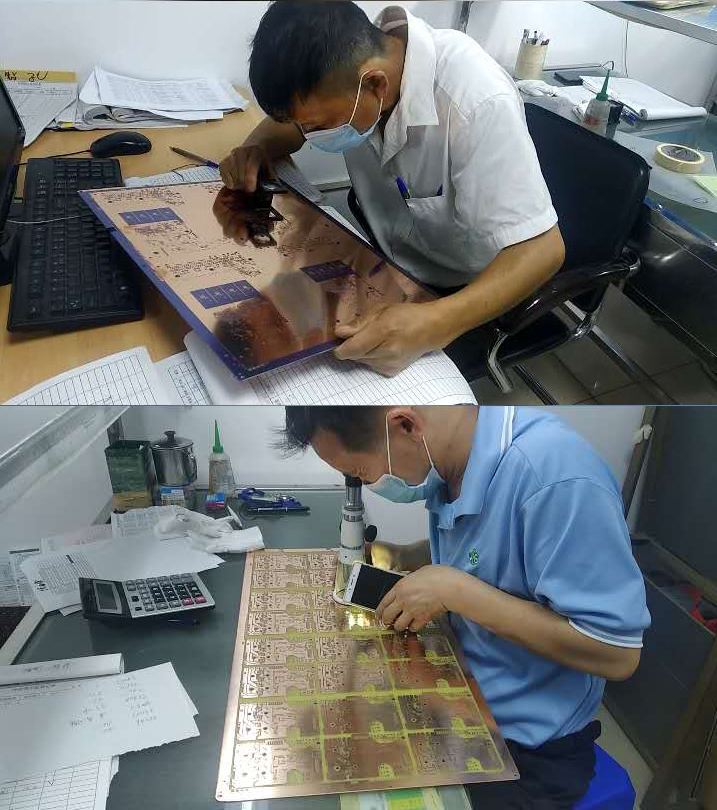
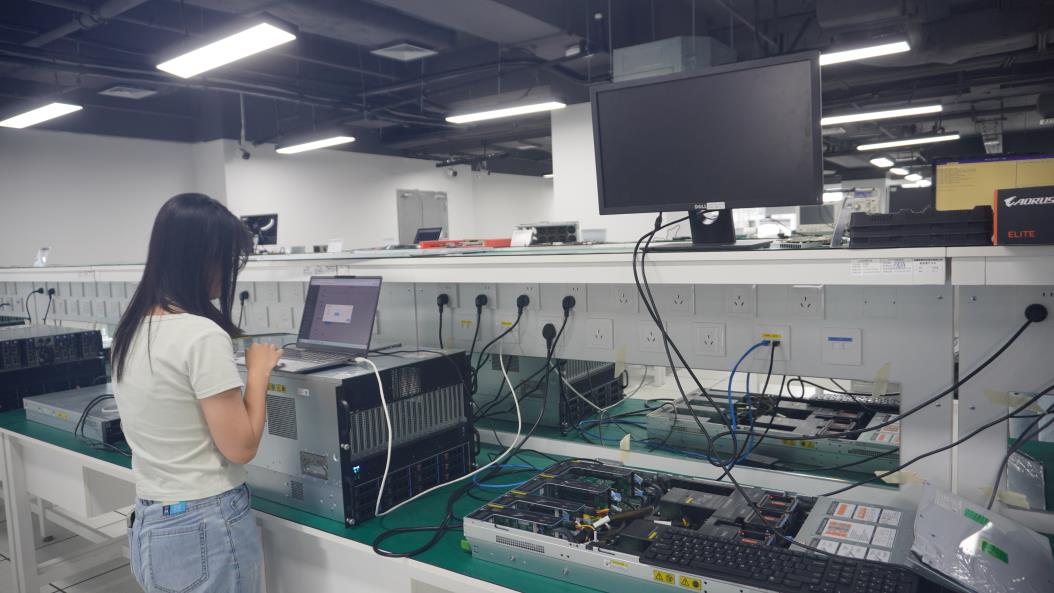
To deploy high-performance hardware globally, structural stability and consistent operation are critical. Klyvora utilizes a dedicated quality control team of 42 professionals who manage advanced testing and validation procedures.
Each server, network module, and storage node undergo a strict multi-tier quality inspection framework before shipment:
Our active R&D team of 180 engineers continuously refines server layouts, optimizing thermal airflows and liquid-cooling pathways. In the past year, Klyvora has launched 86 new product designs, highlighting our focus on product iteration and technological adaptability.
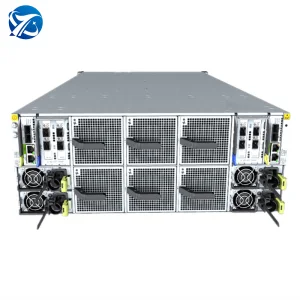
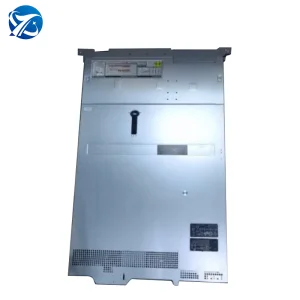
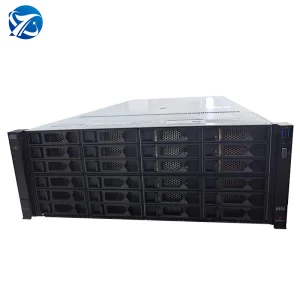
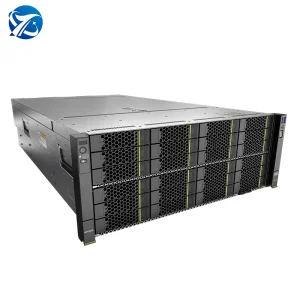
Our bare-metal nodes, GPU computing blocks, and network components are deployed across diverse global networks, meeting high data-processing and low-latency requirements.
Powering deep learning and LLM architectures. Deploying multiple GPU nodes configured for high-throughput model training, requiring stable physical data lanes and reliable local caching capabilities.
Providing the virtualization layer for NFV systems. Our high-reliability rack nodes host soft routers, firewalls, and gateway services, reducing operational costs for telecommunication centers.
Managing manufacturing facilities, automated shipping hubs, and smart logistics operations. Our compact rack designs fit non-standard server enclosures while maintaining reliable thermal management.

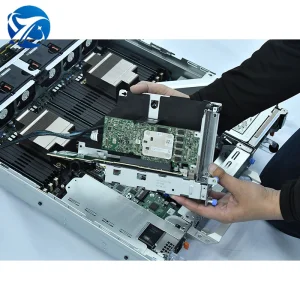
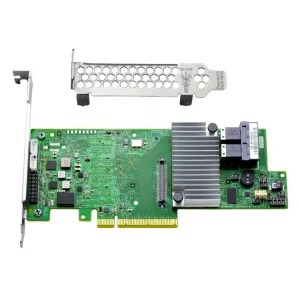
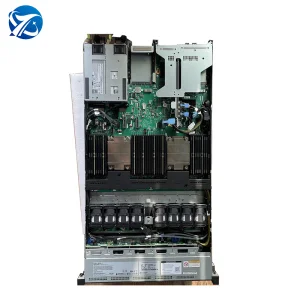
Our bare-metal nodes and rack servers are designed with high-bandwidth PCIe Gen 4/5 slots and are compatible with SmartNIC cards and DPUs (Data Processing Units). This allows offloading of virtualization tasks from the host CPU directly to the network interface card, optimizing system performance in SDN environments.
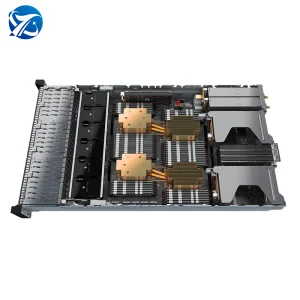
Klyvora's engineering team offers physical chassis design services. We build custom copper heat sink configurations, design optimized internal fan modules, and configure liquid-cooling blocks to manage heat generation in dense compute setups.
Our quality control process is managed by a team of 42 QA professionals. Every server node undergoes automated diagnostic checks, full-load burn-in stress testing, and thermal testing to verify stable operation prior to shipment.
Yes. Our hardware uses standardized architecture profiles, allowing them to integrate into mixed-vendor environments alongside systems like Dell PowerEdge, xFusion Fusionserver, or HPE platforms.
Lead times vary depending on design requirements and component availability. Backed by our network of over 860 partners, we optimize procurement cycles to deliver customized prototype systems within short lead times.