 Klyvora
High-density computing nodes, virtualization bare-metal servers, and telemetry hardware platforms engineered for modern autonomous networks.
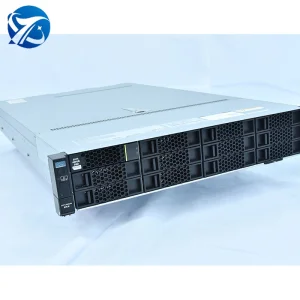
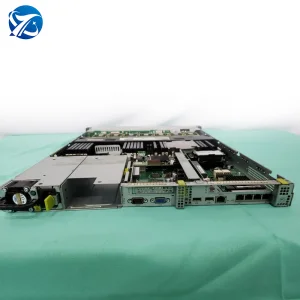
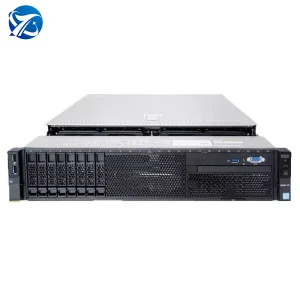
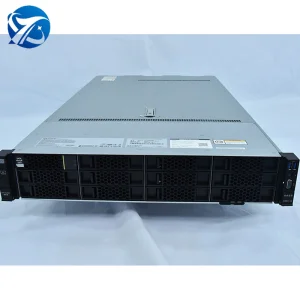
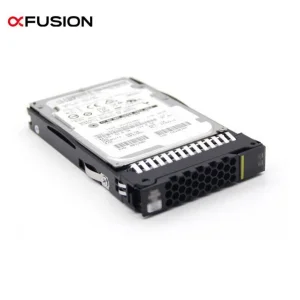
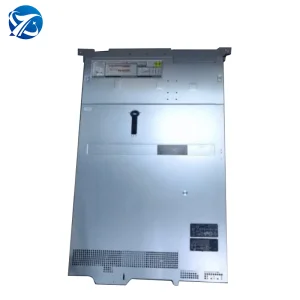
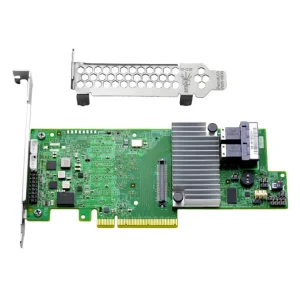
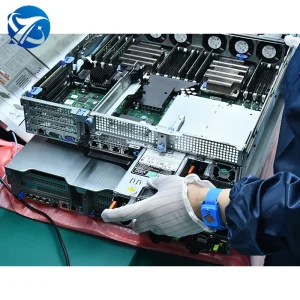
In an era dominated by hyperscale cloud environments, distributed edge computing, and massive AI/ML cluster deployment, manual network management has become an unsustainable operational bottleneck. Network Automation Tools have evolved from peripheral configuration scripts into foundational software-hardware control planes. Modern enterprise IT demands zero-touch provisioning (ZTP), automated telemetry ingestion, intent-based network (IBN) validation, and automated continuous deployment workflows across complex multi-vendor top-of-rack (ToR) switch fabrics, compute nodes, and security gateways.
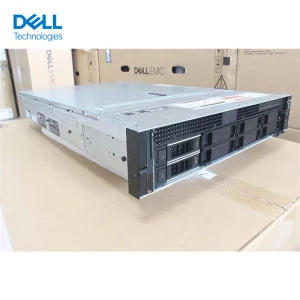
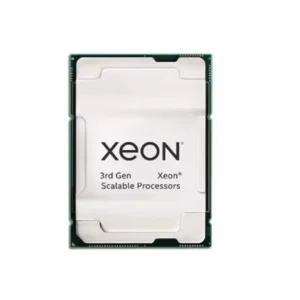
As leading network automation tool exporters and computing infrastructure manufacturers, Chinese factories are pioneering integrated hardware-software ecosystem solutions. By leveraging advanced server architectures—such as 2U dual-socket platforms equipped with Intel Xeon Scalable processors, high-speed PCIe Gen4/Gen5 RAID accelerators, and specialized SmartNIC offload engines—enterprises can execute real-time telemetry analytics directly at the infrastructure layer without introducing latency to data-plane traffic.
Transition from legacy SNMP polling to streaming gNMI and YANG data models running directly on custom bare-metal server nodes for sub-second network observability.
Hardware-level Root of Trust (RoT), TPM 2.0 integration, and encrypted firmware validation ensuring secure configuration push from central Ansible/Terraform engines.
Continuous closed-loop automation platforms that compare actual live network state against declarative intent using high-density compute nodes built by Klyvora.
The trajectory of network orchestration from imperative script execution to fully autonomous, self-healing AI network fabrics.
Imperative Python scripts, Expect routines, and manual CLI template generation. Characterized by fragile execution, lack of transactional safety, and non-validated state rollbacks. High dependency on legacy vendor-specific syntax.
Widespread adoption of Terraform, Ansible, SaltStack, and NetBox as single sources of truth (SSOT). Execution of model-driven configurations using RESTCONF, NETCONF, and OpenConfig data models running over dedicated Linux management nodes.
Integration of Large Language Models (LLMs) and DeepSeek AI engines for dynamic topology parsing and autonomous anomaly resolution. Hardware nodes ingest telemetry streams and automatically execute corrective configuration playbooks without human intervention.
Full convergence of photonic interconnects, hardware-based packet acceleration (P4 programmable switches), post-quantum cryptographic security, and zero-latency autonomous network healing powered by localized AI GPU server clusters.
How Chinese high-tech manufacturing ecosystems enable rapid prototyping, uncompromised quality, and global cost leadership in enterprise network hardware.
The Greater Bay Area high-tech industrial cluster represents the world's most concentrated hub for enterprise computer systems, high-frequency PCB fabrication, custom thermal solution engineering, and semiconductor assembly. Factories specializing in network automation infrastructure leverage this proximity to deliver turnaround times that are unmatched globally.
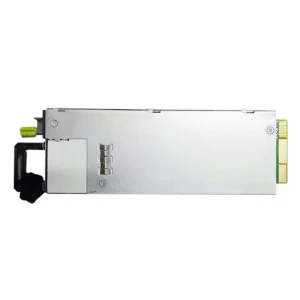
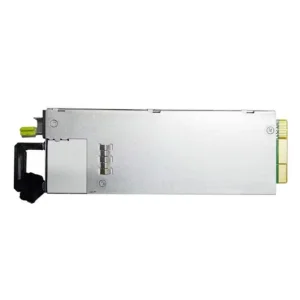
Whether configuring custom rack chassis depth for space-constrained edge telecommunications centers or designing high-efficiency platinum-rated power supplies (900W to 2000W AC/HVDC modules), Chinese OEM/ODM suppliers offer total flexible customization. This includes custom BIOS/OpenBMC firmware development, tailored PCI Express lane allocation for RAID controllers, and thermal micro-channel optimization for high-density compute workloads.
Through strategic supply chain integration spanning over 800 certified tier-1 component suppliers, leading exporters eliminate single-point supply failures. Key component availability—ranging from high-speed SAS HDDs and enterprise NVMe arrays to Intel Xeon Scalable processors—is assured even during global supply volatility.
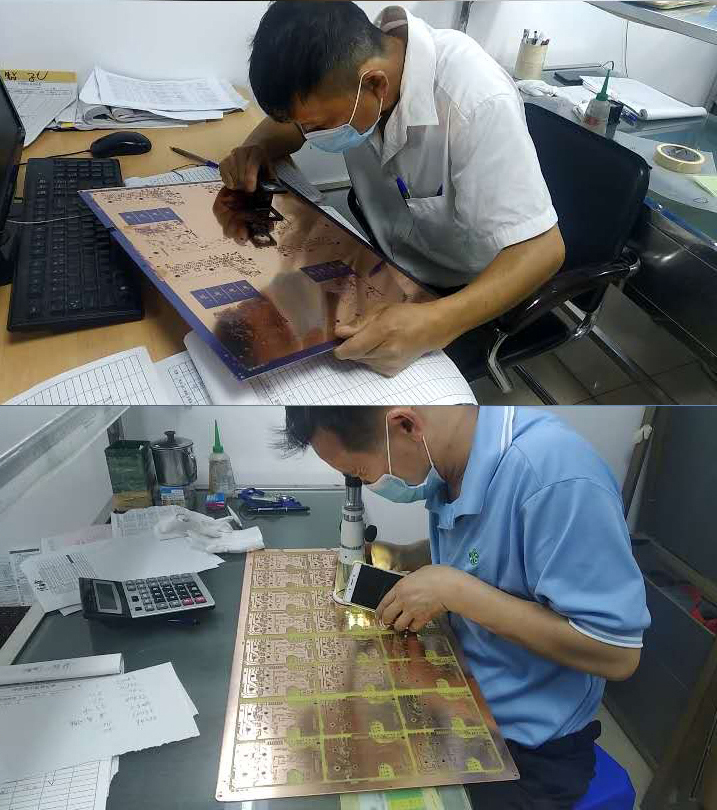
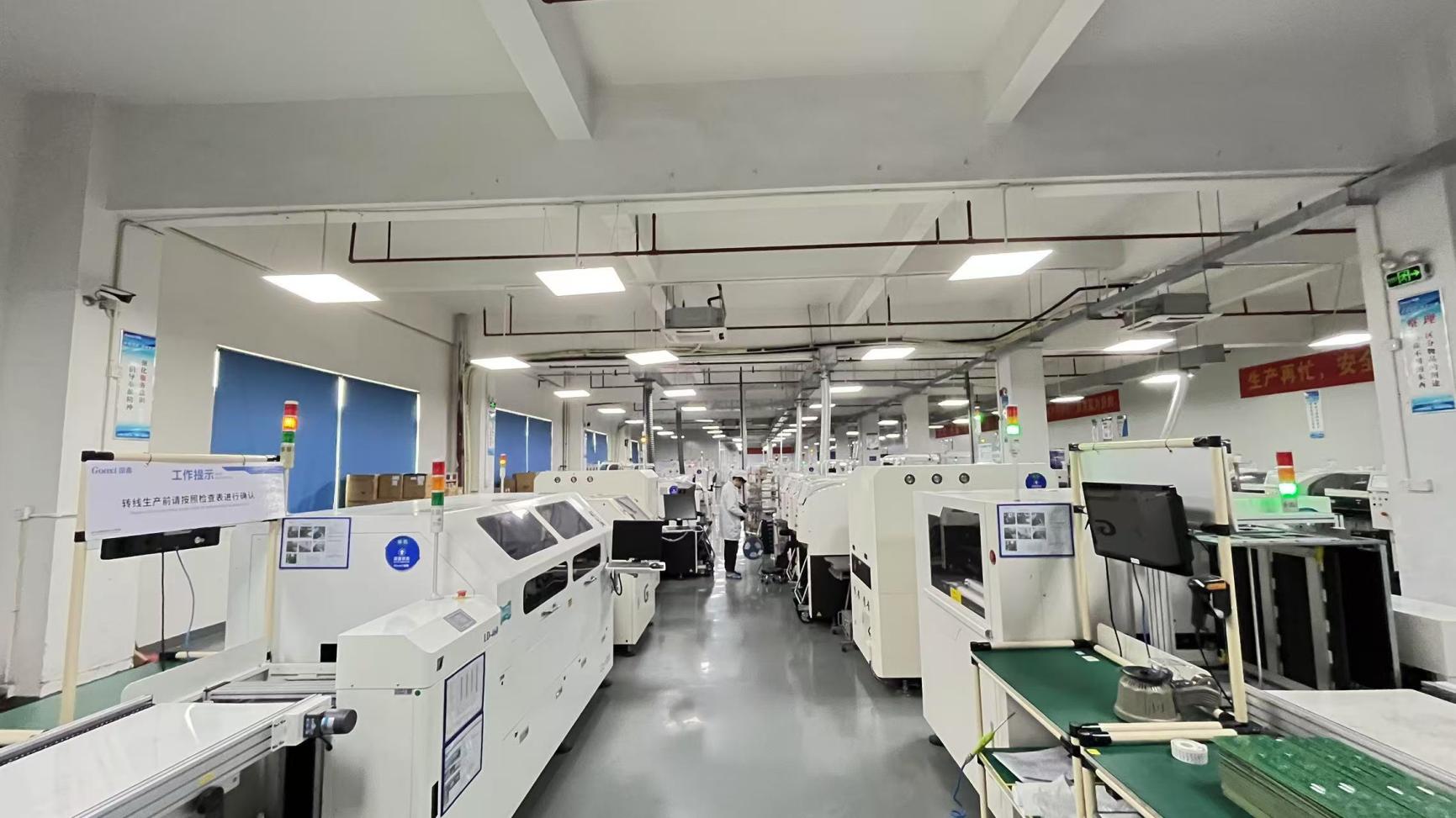
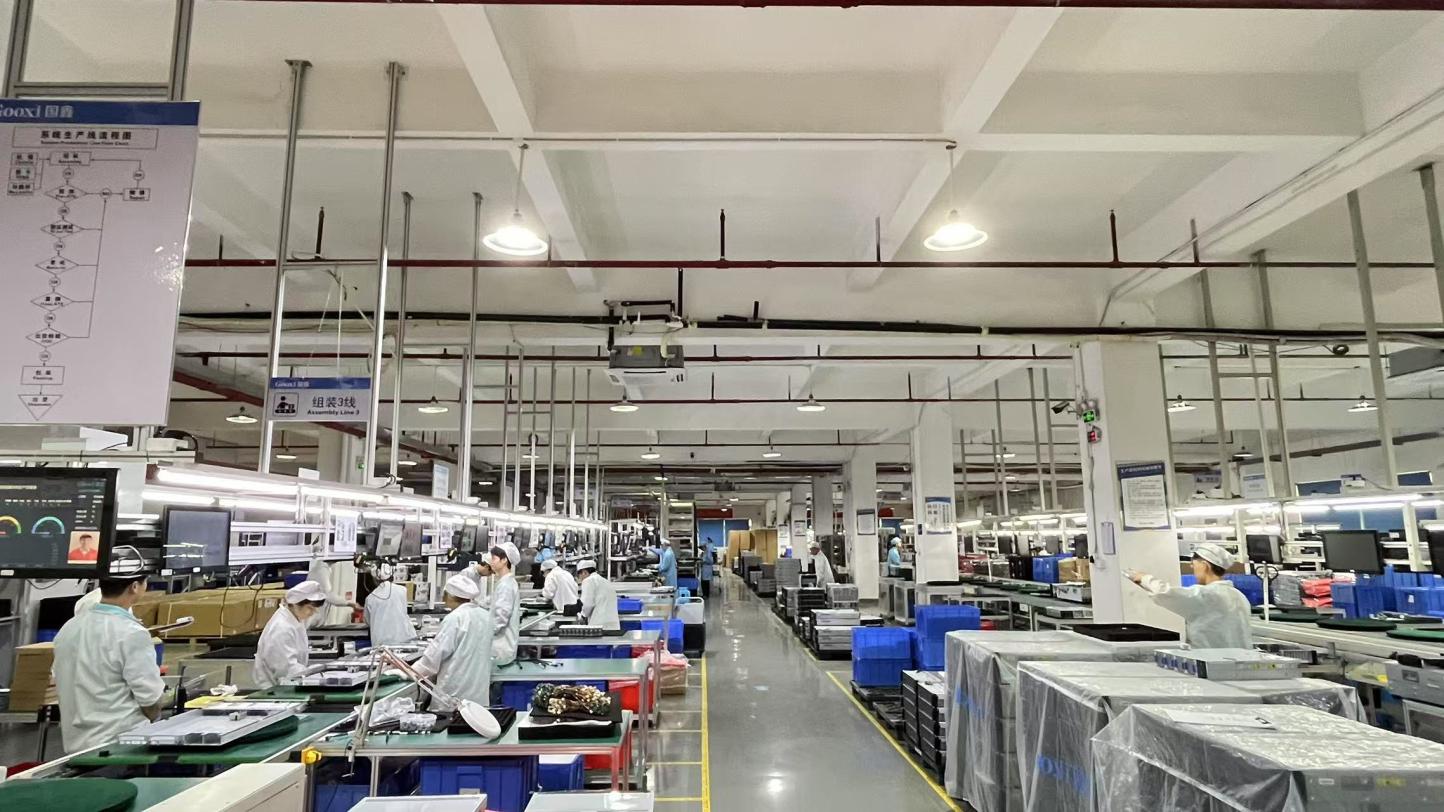
Furthermore, Advanced Industry 4.0 automated surface-mount technology (SMT) lines combined with automated optical inspection (AOI) and multi-stage environmental thermal stress testing ensure that enterprise automation servers exhibit maximum Mean Time Between Failures (MTBF).
Empowering global enterprise network automation, HPC clusters, and AI infrastructure with certified precision hardware engineering.
Klyvora Node Technologies Ltd. is a high-performance computing infrastructure manufacturer specializing in AI GPU server systems, scalable compute clusters, and enterprise-grade data center solutions. Established in 2016, the company operates a modern production facility with a total building area of approximately 320㎡, supporting integrated R&D, assembly, testing, and quality control operations.
The company reports annual export revenue ranging between USD 8 million and USD 22 million, with over 6 years of export experience and 11 years of accumulated industry expertise in advanced computing hardware and system integration. Klyvora maintains a strong international trade background and serves major markets including North America, Europe, the Middle East, and Southeast Asia.
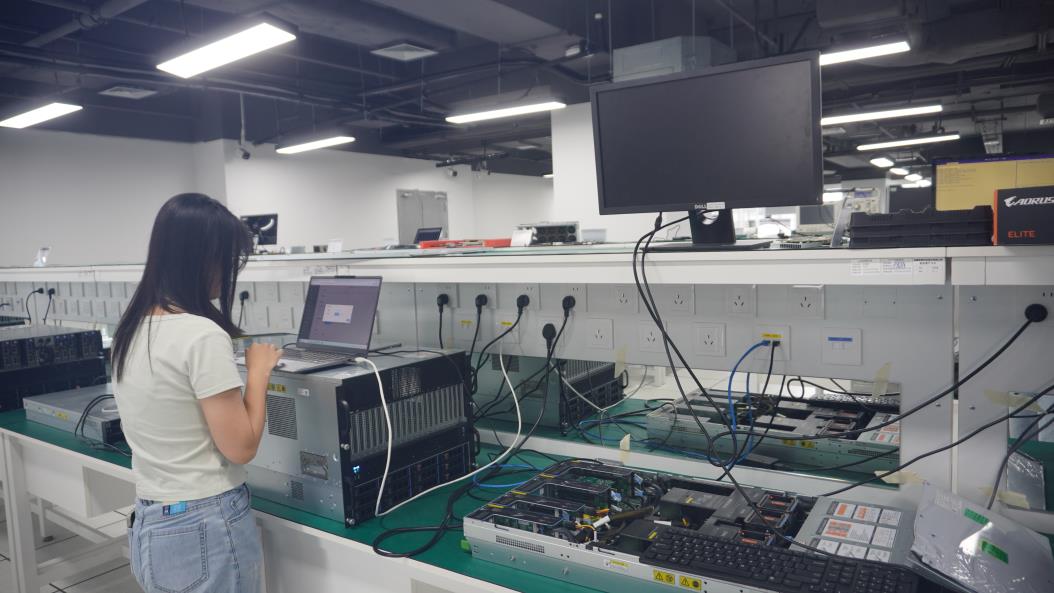
Klyvora Node Technologies employs a structured quality assurance system, combining automated testing methods, burn-in stress testing, and full-system validation procedures. Product inspection methods include thermal performance testing, hardware stress diagnostics, and multi-stage functional verification. The quality control team consists of approximately 42 dedicated professionals ensuring strict compliance with international manufacturing standards.
The company collaborates with a global supply chain network of over 860 partners, enabling stable sourcing of high-grade components such as GPUs, server-grade motherboards, power systems, and cooling solutions. Its primary customer base includes AI research institutions, cloud service providers, enterprise data centers, and HPC solution integrators.
Klyvora maintains strong R&D capabilities with a team of around 180 engineers focused on GPU server architecture optimization, liquid cooling innovation, and AI workload acceleration. The company supports a wide range of customization options, including chassis design, thermal configuration, GPU density optimization, and firmware-level system tuning.
In the past year, Klyvora has launched approximately 86 new products, reflecting its continuous innovation in high-density computing systems and next-generation AI infrastructure solutions.
Tailored hardware platforms engineered for critical deployment domains requiring zero-downtime automated provisioning.
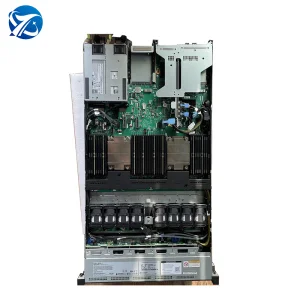
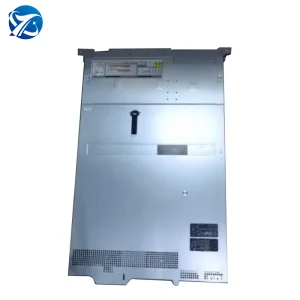
Enables mass bare-metal provision automation via OpenStack, Ironic, and custom PXE boot tools. Klyvora dual-socket 2U rack servers provide the memory bandwidth, core density, and storage throughput needed to run thousands of virtual network functions (VNFs) and software-defined storage nodes seamlessly.
Optimized short-depth server designs and redundant high-voltage DC power supply modules (HVDC 1500W) built for central offices and edge cell sites. Engineered to run real-time telemetry algorithms, automated slice management, and zero-touch CU/DU network function automation.
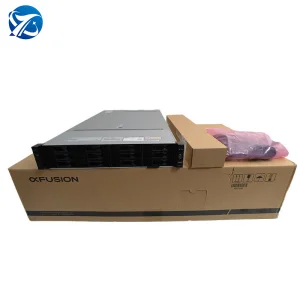
Purpose-built GPU acceleration racks (FusionServer 1288H V6 / 2288H V6) supporting DeepSeek and complex LLM training operations. Automates multi-node RoCE v2 (RDMA over Converged Ethernet) fabric alignment, monitoring buffer bloat and congestion notification parameters in real-time.
Integrates dedicated PCIe 4.0/5.0 hardware RAID arrays (such as 9560-16i-PCIe 8GB cache cards) with automated compliance auditing tools. Assures automated transaction logging, strict access control lists (ACLs), and micro-segmented zero-trust security policy enforcement.
Rigorous compliance frameworks and international technical support SLAs designed for seamless enterprise acquisition.
All exported server systems, power supply modules, and acceleration components carry full international compliance certifications, including CE, FCC, RoHS, ISO9001, and UL guidelines, guaranteeing smooth customs clearance across North America, Europe, and Asia-Pacific.
Complete ODM/OEM capabilities allowing deep customization: pre-installed linux distributions, custom OpenBMC implementations, automated provisioning script injection into ROM, corporate branding, and tailored physical chassis engineering.
Backed by multi-year replacement guarantees, direct 24/7 technical escalation access to senior system engineers, and expedited global replacement part dispatch across major international enterprise nodes.
High-reliability compute hardware, power distribution modules, and processing units for scalable network automation deployments.

Technical clarity on procurement, automation compatibility, custom OEM engineering, and export operations.