Klyvora
Klyvora
Klyvora
Engineered to support advanced direct-to-chip and air cooling integrations
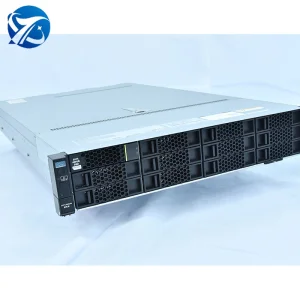
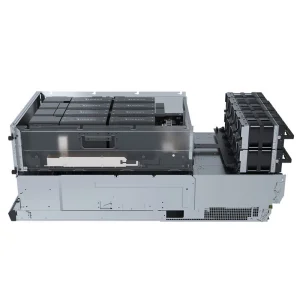
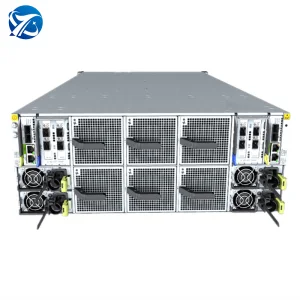
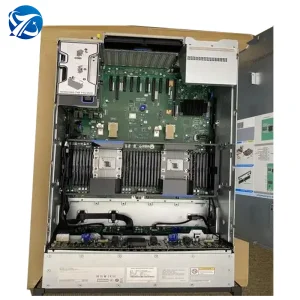
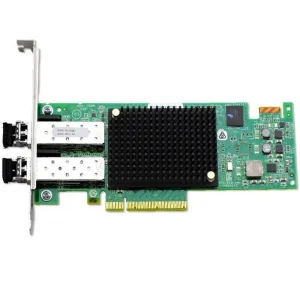
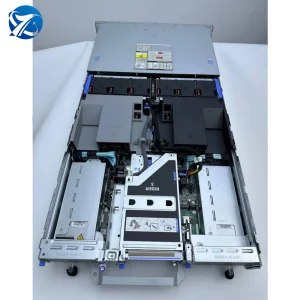

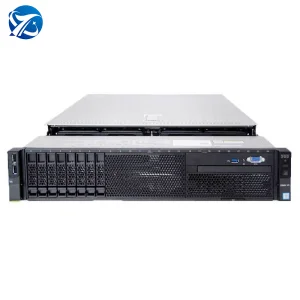
Mitigating Thermal Barriers in Next-Generation AI Training Complexes
The rapid rise of AI models and deep learning applications, exemplified by platforms running complex tasks like DeepSeek, has fundamentally altered the power density dynamics within modern data centers. Traditional rack deployments that once drew 5 kW to 10 kW have transitioned to high-performance AI GPU configurations requiring 40 kW to upwards of 100 kW per enclosure. Under these intense conditions, standard forced-air cooling systems fail to maintain efficient operational temperatures without consuming unsustainable amounts of electricity. This whitepaper analyzes the hardware, structural methodologies, and manufacturing ecosystems that position leading Chinese producers as the premier global partners for advanced liquid-to-air, direct-to-chip, and immersion thermal systems.
Direct-to-chip liquid cooling targets localized high-heat zones by mounting copper cold plates directly over GPUs and CPUs. Using a non-conductive dielectric fluid or treated water, it removes thermal energy up to 10x faster than air, driving down overall PUE values.
Completely submerging servers in dielectric heat transfer fluid removes the need for heatsinks and fans. This approach maximizes surface-area exposure, eliminates particulate contamination, and stabilizes core temperatures under deep learning workloads.
Utilizing high-capacity fluid loops within the rack cabinet enclosure, RDHx doors capture exhaust heat directly at the server discharge boundary. This configuration transforms conventional hot aisles into ambient-temperature spaces without requiring extensive ductwork modifications.
Global manufacturing pedigree in high-performance thermal compute clusters
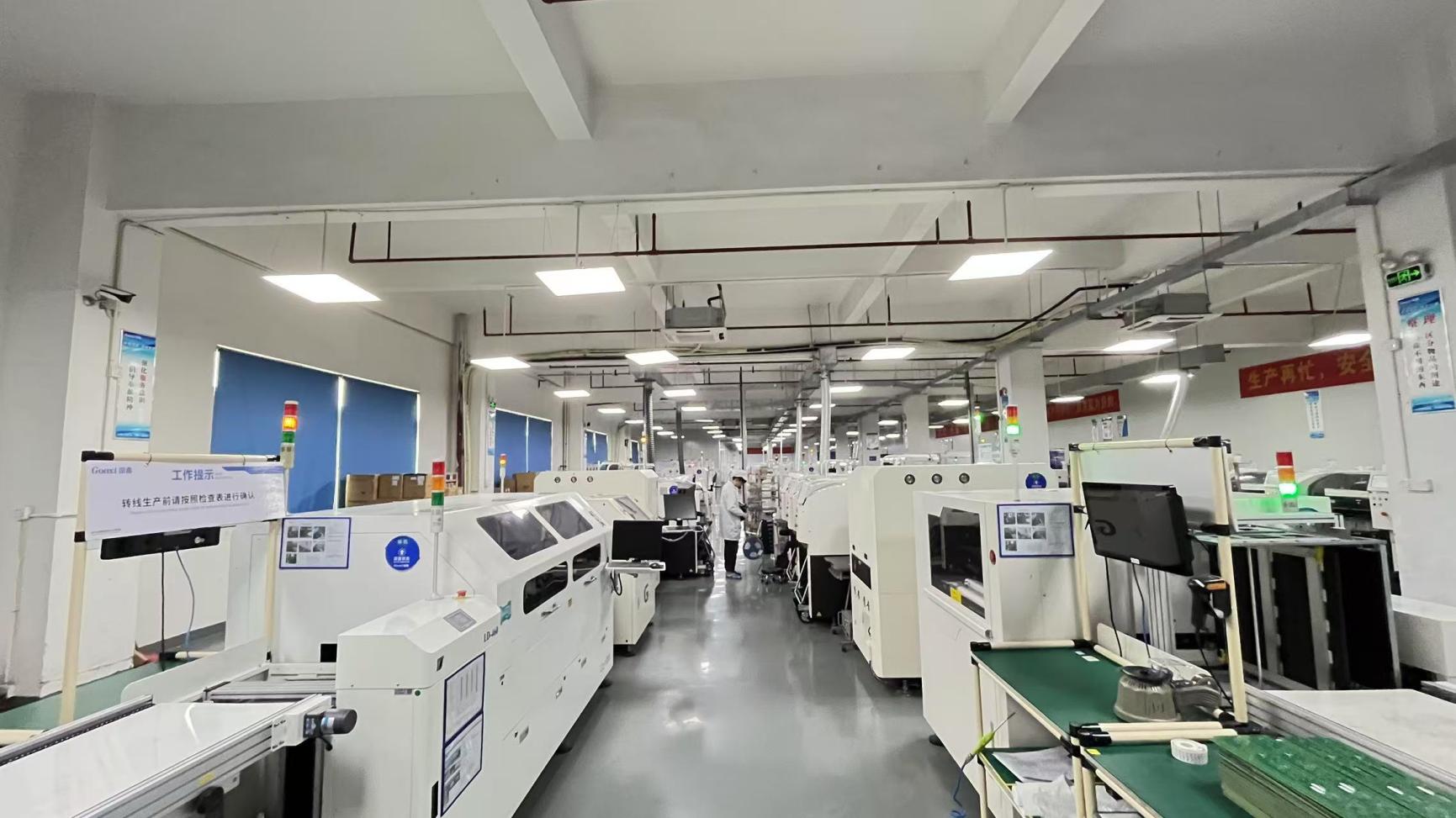
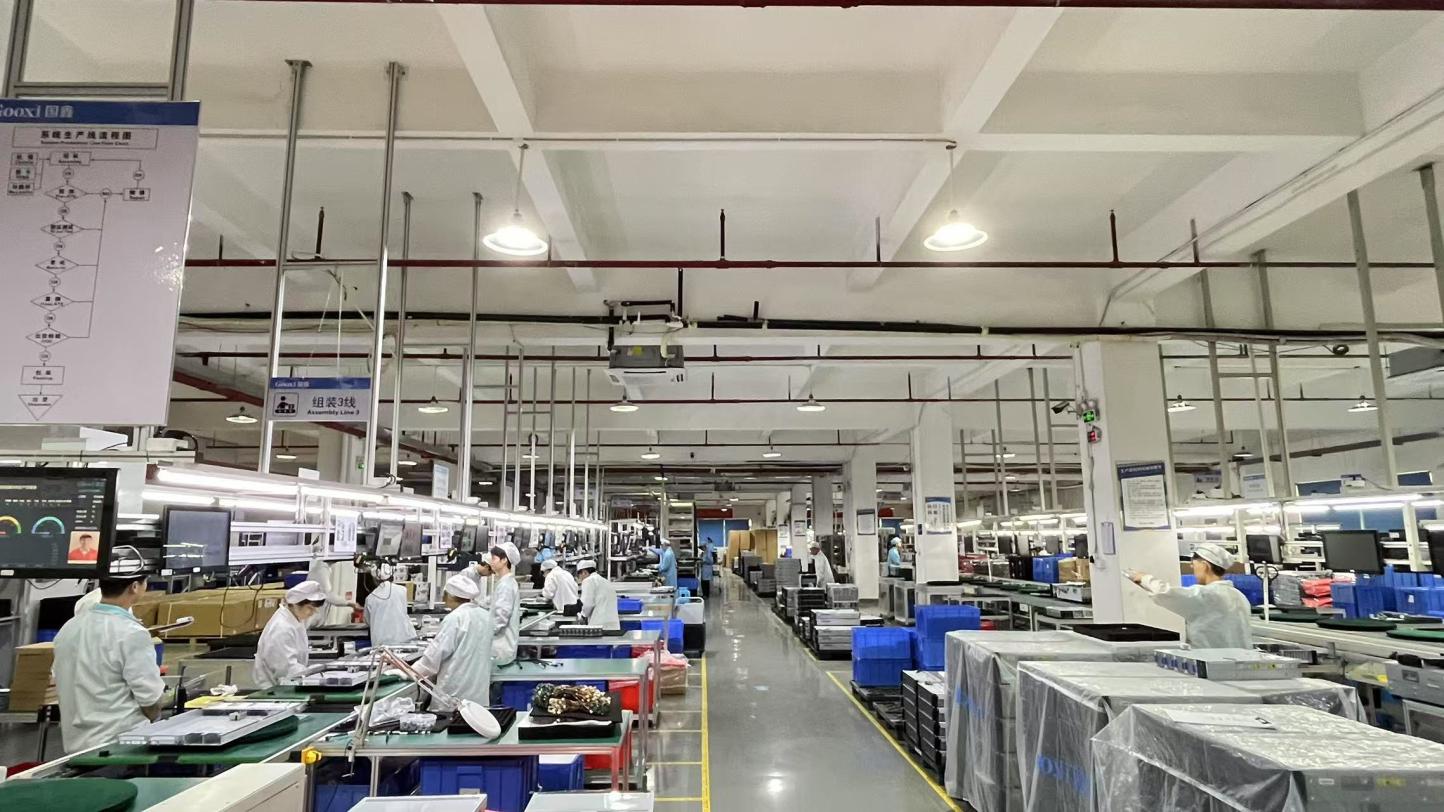
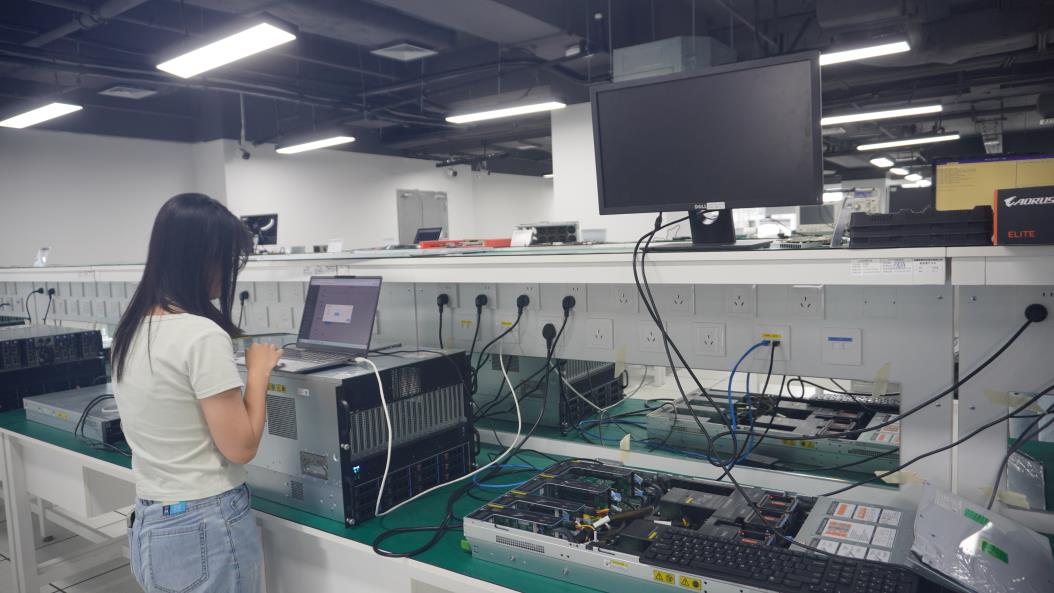
Founded in 2016, Klyvora Node Technologies Ltd. has established itself as an innovative high-performance computing infrastructure manufacturer. Specializing in AI GPU server systems, scalable compute clusters, and custom-engineered data center cooling integrations, the company operates a dedicated, modern production facility supporting integrated R&D, assembly, rigorous system testing, and automated thermal quality control operations.
Over the past decade, Klyvora has built an industry-leading position by combining 11 years of computing hardware expertise with state-of-the-art thermal engineering. Backed by a global supply chain network consisting of over 860 verified partners, Klyvora sources high-grade components—including liquid-cooling blocks, pumps, CDUs, and high-performance server boards—to deliver mission-critical infrastructure to hyperscalers, research institutions, and enterprise networks globally.
Unparalleled supply chain integration and rapid prototyping pipelines
From raw copper processing and CNC micro-channel cold plate milling to advanced polymer extrusion for non-permeable piping, China's manufacturing clusters concentrate all components of the thermal supply chain in regional hubs like Shenzhen and Jiangsu. This keeps logistics delays to a minimum.
Leveraging high production volumes and optimized automated assembly lines, Chinese suppliers offer competitive pricing. High-precision tooling, automatic brazing, and automated leak-detection processes lower unit costs while maintaining consistent structural integrity.
Supported by CAD/CFD design teams, factories rapidly iterate prototype thermal designs. This allows quick adjustments to motherboard layouts, GPU orientations, and specific clearance requirements for non-standard servers (e.g., custom 2U/4U AI acceleration chassis).
Comparative analysis of cooling architectures for modern enterprise workloads
| Technology Type | Target Heat Dissipation | Achievable PUE Target | Primary Application Scenario | Capex vs Opex Profile |
|---|---|---|---|---|
| Precision Air Cooling | < 15 kW per Rack | 1.30 - 1.45 | Legacy databases, edge network enclosures, entry rack servers | Low Capex / High ongoing Opex (Fans/Compressors) |
| Direct-to-Chip (D2C) | 30 kW - 80 kW per Rack | 1.12 - 1.20 | High-density GPU nodes, AI training clusters, rendering networks | Moderate Capex / Low Opex (Highly efficient) |
| Liquid Immersion | > 100 kW per Rack | 1.03 - 1.08 | Hyperscale cloud, deep learning training facilities, supercomputing nodes | High Capex (Fluid/Chassis) / Lowest structural Opex |
| Rear Door Heat Exchanger | 20 kW - 45 kW per Rack | 1.18 - 1.25 | Retrofitting legacy systems, mixed CPU/GPU rack clusters | Balanced Capex / Minimal infrastructure downtime |
System integration architectures deployed across critical infrastructure sectors
Deploying centralized Coolant Distribution Units (CDUs) configured with secondary loop isolation. This setup feeds arrays of direct-to-chip manifolds, ensuring high uptime for continuous AI workloads, such as deep learning model development.
Utilizing high-capacity Rear Door Heat Exchangers (RDHx) to convert air-cooled facilities into hybrid environments. This system supports high-density AI nodes without requiring deep excavation for underfloor liquid piping networks.
Compact, closed-loop liquid-to-air cooling systems engineered for hostile industrial environments. These systems protect remote edge-node GPUs from moisture, dust, and extreme temperature fluctuations.
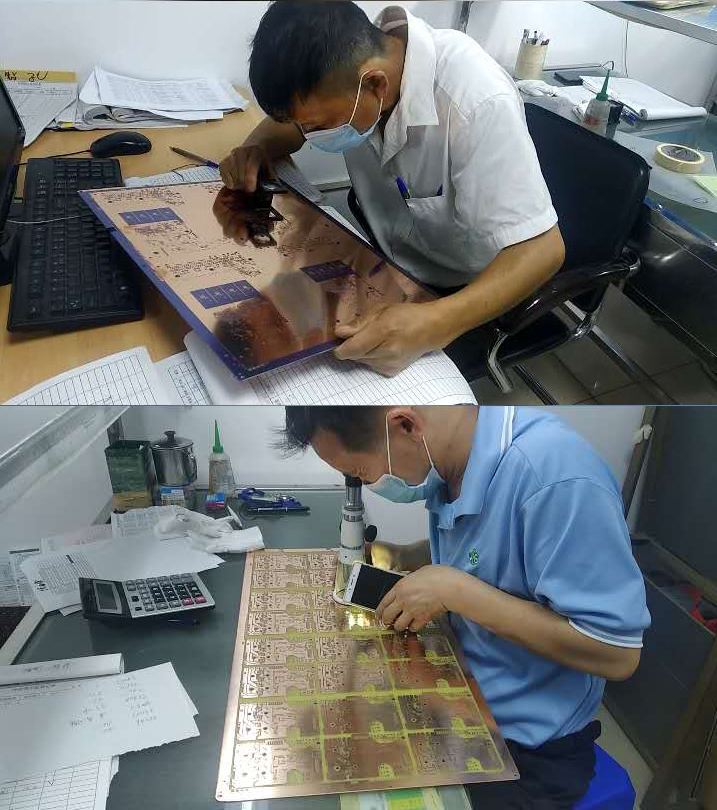
Visualizing our precision manufacturing, R&D labs, and quality control departments
Technical answers to help buyers evaluate custom server thermal systems
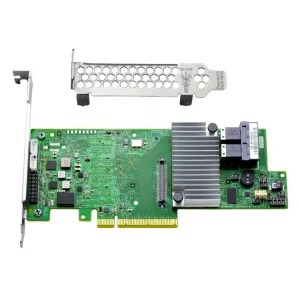
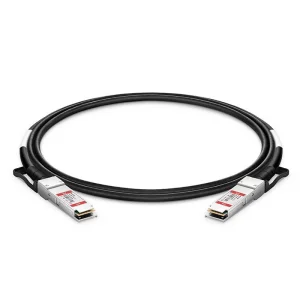
High-grade infrastructure items supporting server thermal and network performance