Klyvora
Klyvora
Klyvora
Explore our highly scalable enterprise-grade servers, fully compliant with international networks and optimized for demanding cluster workloads.
Established in 2016, Klyvora Node Technologies Ltd. is a global leader in high-performance computing infrastructure. We specialize in designing, manufacturing, and exporting advanced AI GPU server systems, highly scalable compute clusters, and next-generation datacenter solutions.
Operating from a state-of-the-art facility featuring 320㎡ of cleanroom-grade integrated R&D, assembly, and testing space, Klyvora has built over 11 years of deep industry expertise in high-density computer architecture and hardware diagnostic design. We bridge the gap between physical server infrastructure and the remote network management tools needed to orchestrate complex workloads safely and efficiently.
As modern data architectures expand to support advanced technologies like large language models, DeepSeek optimizations, and hybrid cloud fabrics, enterprise procurement managers faces strict challenges. Selecting certified servers and network management tools is no longer just about raw computing speed; it is about compliance, service life, and integration ease.
European and global enterprises require strict compliance with CE Certification (EMC and LVD directives). This ensures compute infrastructure limits electromagnetic interference and operates safely under maximum load conditions, minimizing data corruption risks.
IT managers require deep platform visibility. Our server systems integrate industry-standard remote control features (IPMI 2.0, Redfish API, and iLO/iDRAC equivalents) allowing administrators to monitor voltages, system temperatures, and disk health remotely.
Procurement processes require component traceability. Partnering with a network of over 860 supply chain partners ensures reliable sourcing of high-grade motherboards, memory modules, and RAID controllers, minimizing project delays.
Klyvora works alongside systemic integrators to deliver robust physical platforms that align with modern network administration demands. Our hardware designs target three core application scenarios:
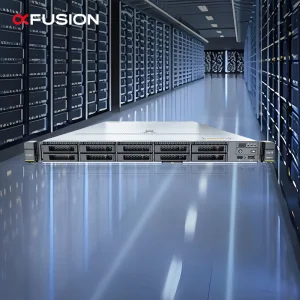
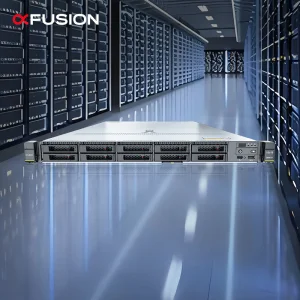
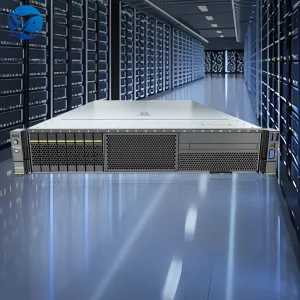
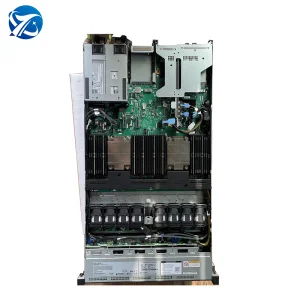
Deploying dense server racks requires strict control over heat dissipation and power usage. By utilizing high-efficiency models like the FusionServer 1288H V7 and custom configurations featuring 900W+ high-efficiency power supplies, operations teams can maximize compute density per rack unit without overloading thermal management systems.
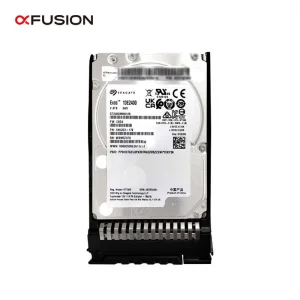
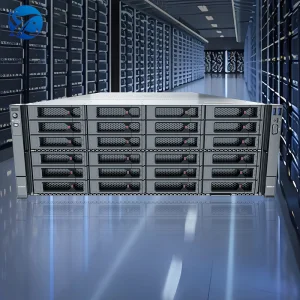
Enterprise data architectures rely on fast disk access and high throughput. Integrating solid-state drives such as the PM9A3 PCIe NVMe series provides read-intensive database workloads with the IOPS required to eliminate data bottlenecks.
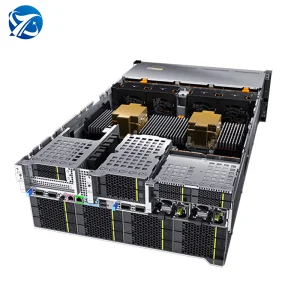
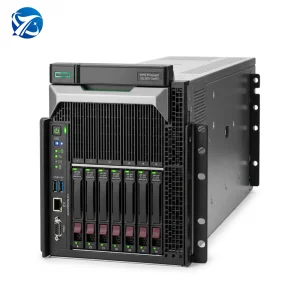
Running deep learning models like DeepSeek requires massive parallel compute power. Our GPU servers feature high-density slots and optimized airflow configurations, ensuring stable operations for AI institutions and research departments.
As server designs progress, remote management tools are shifting from reactive alerts to predictive analytics. Our engineering teams at Klyvora focus on building hardware that supports automated system diagnostics, proactive failure predictions, and seamless integration into cloud management platforms.
Developing hardware sensors to output fine-grained system diagnostics via Redfish API, enabling automated power and thermal adjustments.
Introducing liquid-to-air cooling options for high-density GPU racks, significantly reducing datacenter Power Usage Effectiveness (PUE).
Implementing Silicon Root of Trust (RoT) architecture at the motherboard level to secure server firmware against unauthorized modifications.
Optimizing high-speed backplanes to support PCIe Gen6 SSDs and advanced RAID controllers like LSI 9560-16I for faster throughput.
To ensure reliable operations, our hardware underwent rigorous system-level diagnostics. Our quality control team of 42 dedicated professionals executes a multi-stage validation process.
Servers are run at high load inside specialized thermal chambers. This helps ensure components can handle sudden fluctuations in ambient temperature.
Every compute node goes through comprehensive tests to check RAM parity, PCIe bus health, and CPU calculations, ensuring stability prior to shipping.
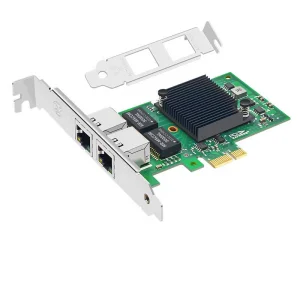
We test all onboard network controllers and IPMI configurations to confirm remote power-cycling and alert systems function correctly.
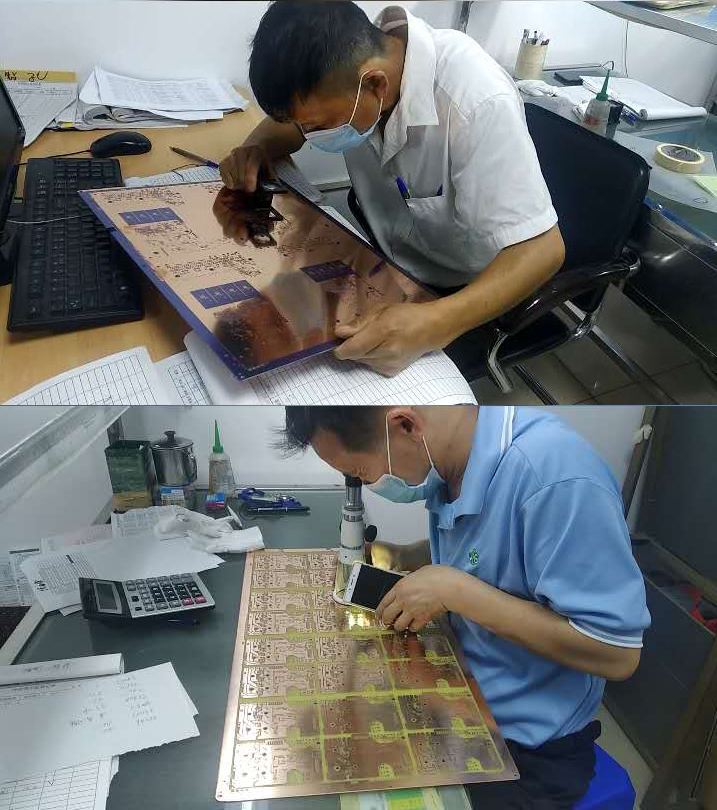
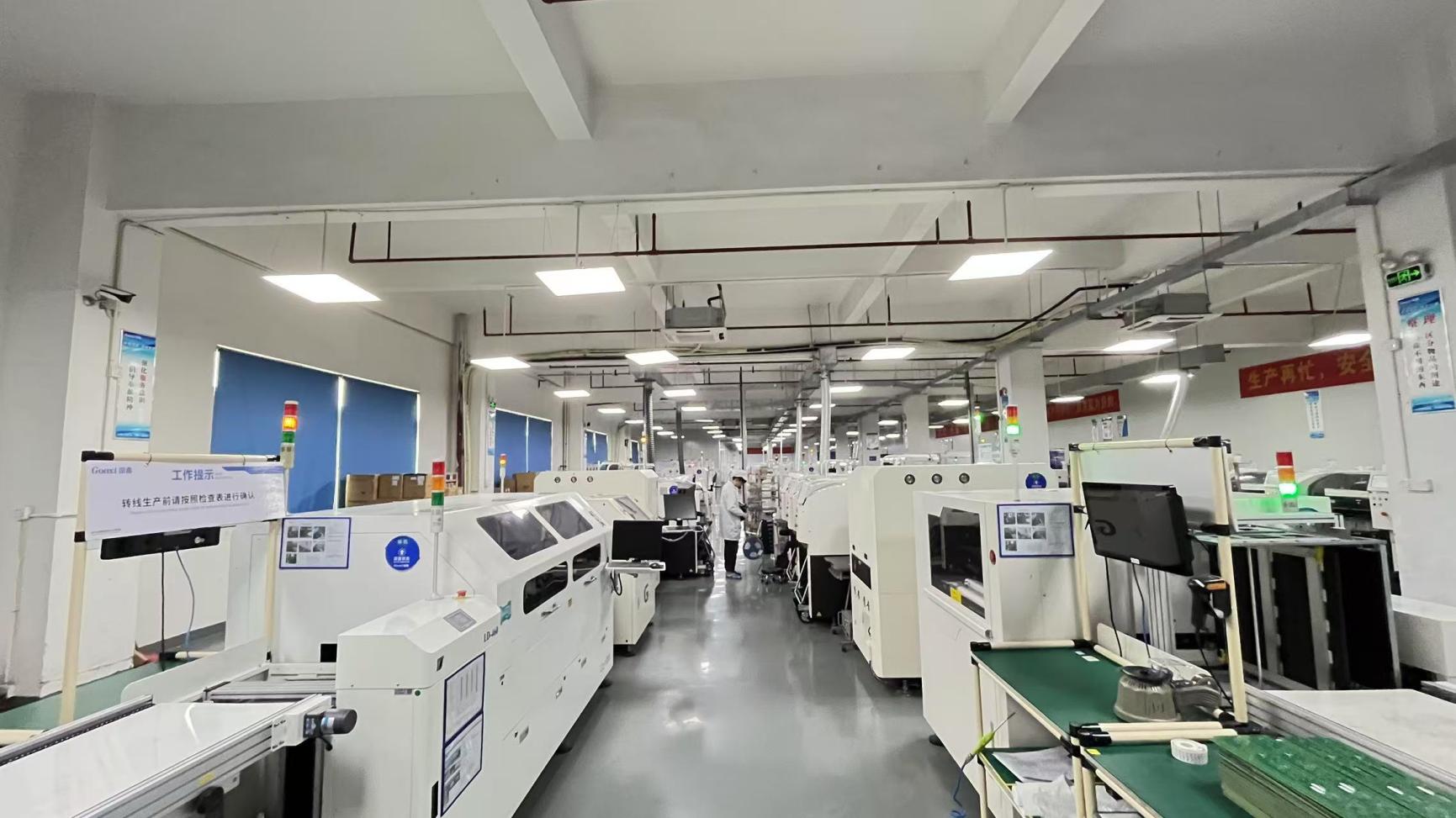
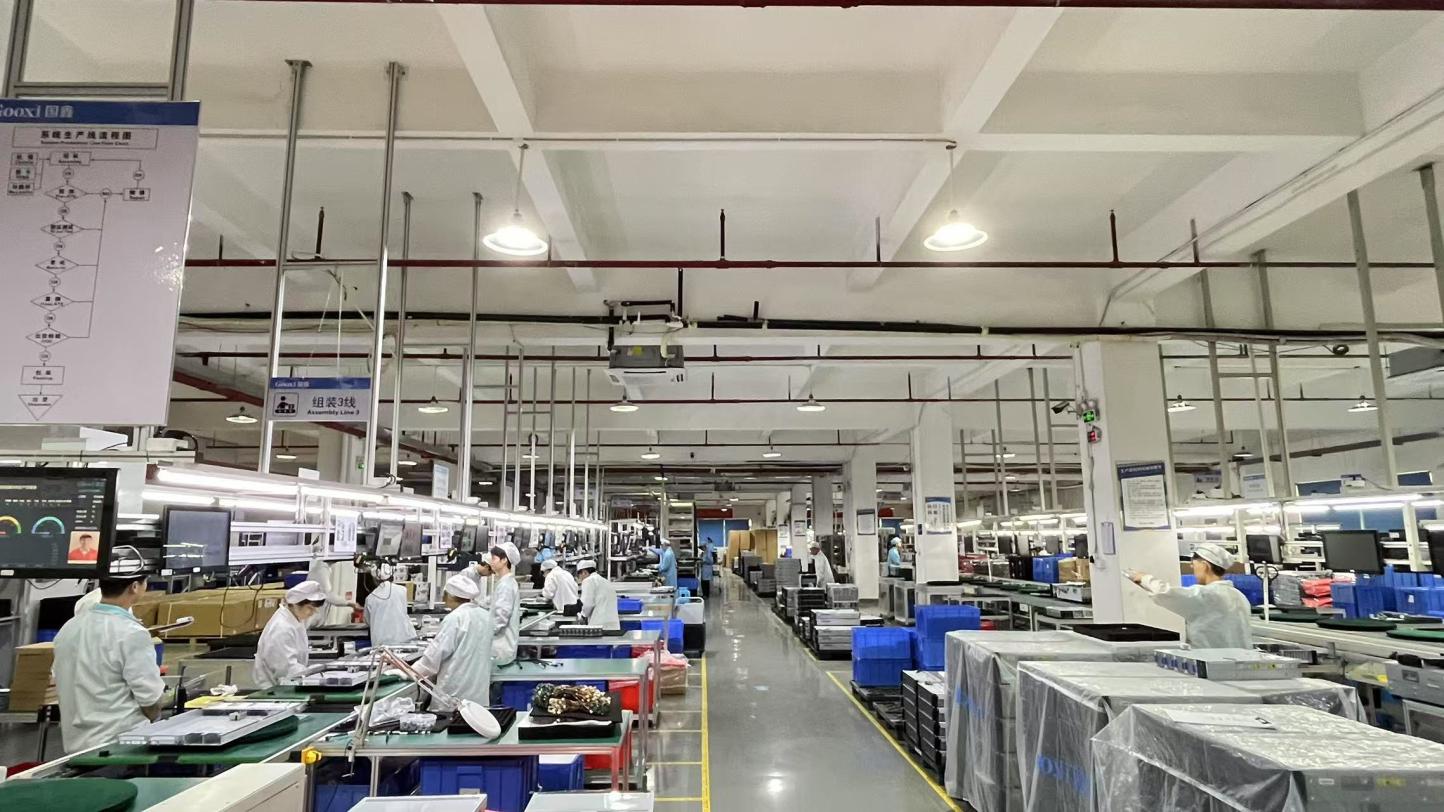
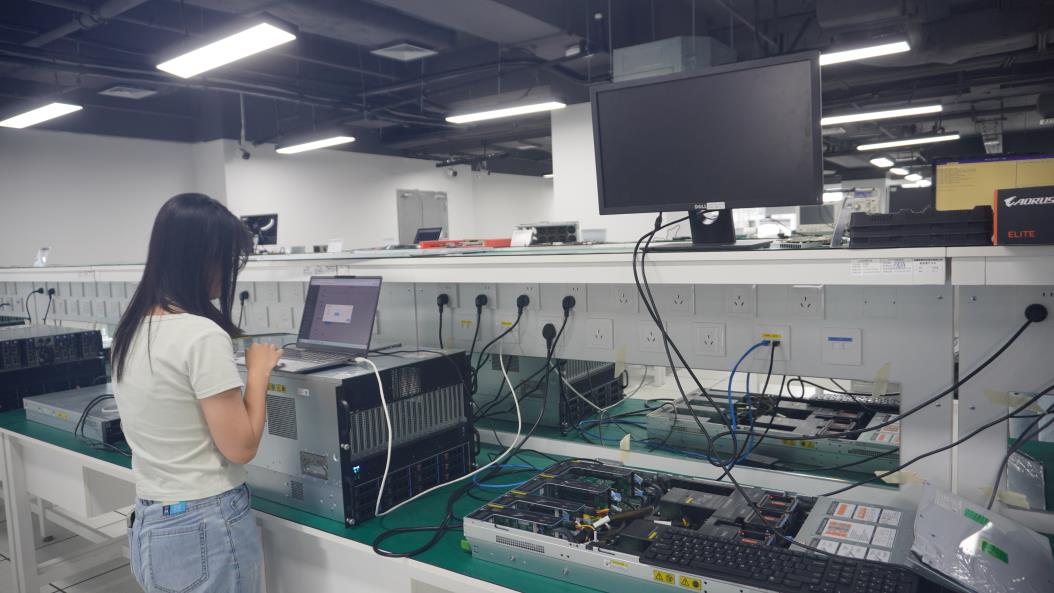
Exporting computing equipment to regions like North America, Europe, the Middle East, and Southeast Asia requires adhering to international safety frameworks. The CE Mark is essential for EU installations, confirming compliance with several safety directives:
With over 6 years of direct export operations and an annual export value reaching up to USD 22 million, we assist procurement offices with customs clearing, certificate of origin forms, and system freight logistics.
Supported Markets:Review answers to common questions about server integrations, compliance, and out-of-band network management.
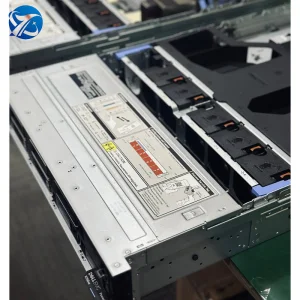
Maximize server performance with PCIe expansion cards, solid-state drives, and versatile dual-socket compute systems.