Klyvora Klyvora

How to Choose the Best Industrial AI Server Manufacturer?

Time:2026-09-26 Author:Liam
0%

Industrial AI is moving from pilot projects into production lines, where downtime, heat, and network delays have real costs. IDC’s August 2024 forecast projected worldwide AI spending would reach $632 billion by 2028. That figure signals momentum, not guaranteed returns for every factory. Buyers still need to match server capacity to actual workloads.

Andrew Ng, AI researcher and co-founder of Google Brain, has described AI as “the new electricity.” The comparison captures AI’s broad potential, but it does not identify the right hardware. Choosing an industrial ai server manufacturer requires closer questions: Can its systems handle dust, vibration, and temperature changes? Do they support the accelerators, networking, and software your applications need? And can the vendor provide clear lifecycle and repair support?

Look beyond headline compute performance. Ask for thermal test conditions, validated component lists, warranty terms, and evidence from deployments similar to yours. A compact server beside a production line may face very different conditions from one in a cooled data center. One uncomfortable truth: impressive benchmark results can hide service gaps or costly integration work. I would treat vendor claims as starting points, then verify them against your own workload and site constraints. The best partner is not always the one with the largest catalog; it is the one that can explain trade-offs plainly and support the system after installation.
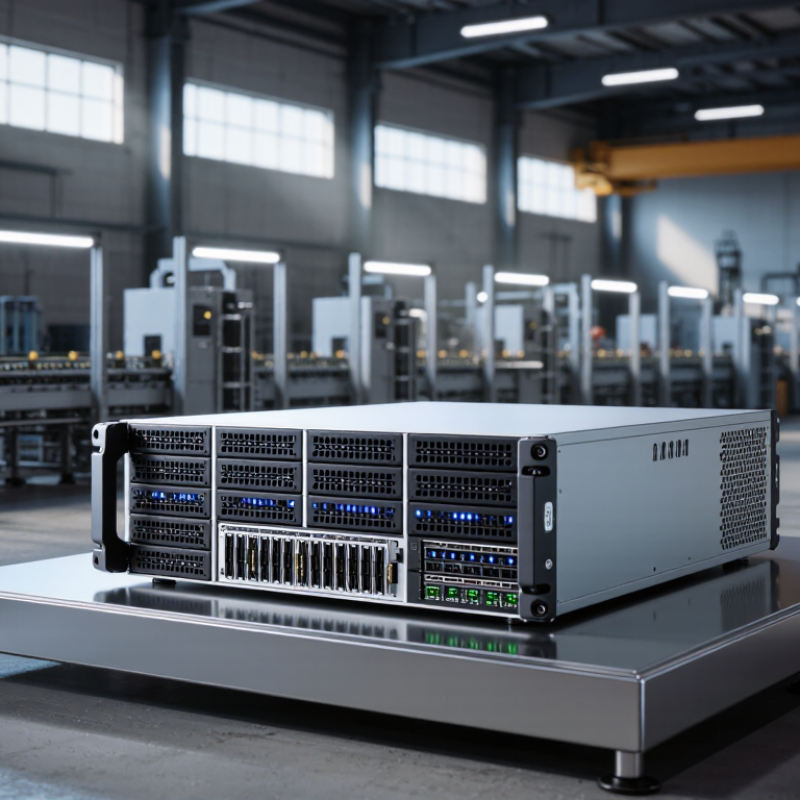
How to Choose the Best Industrial AI Server Manufacturer?

Define Industrial AI Workloads and Operating Requirements

Before comparing manufacturers, describe the AI work the server must perform. A line-side vision system may inspect 40 images per second, while predictive maintenance processes sensor readings every few seconds. Record model size, input rate, response-time target, and simultaneous streams. Include peak loads, not just daily averages. Plans often get vague here.

Define the operating environment, too. Note the expected temperature range, dust exposure, vibration, available power, cabinet space, and network connections. Specify how long the system must run without interruption and how quickly failed components should be replaceable. These details shape choices such as cooling, storage, expansion slots, and remote monitoring. One estimate will probably be wrong, so validate capacity with representative data before fixing a configuration. A quiet lab test can miss heat buildup inside a crowded enclosure.

Tips: Ask manufacturers for workload-based test results, not only processor specifications. Test your own models with realistic image sizes and sensor rates. Check whether logs and alerts help technicians diagnose a fault without specialized tools.

Set Performance, Reliability, and Environmental Criteria

Choosing an industrial AI server manufacturer starts with your actual workload, not the largest number on a specification sheet. Define model size, camera count, inference speed, and acceptable latency. Ask for benchmark results using comparable software and sustained workloads. A brief peak test can hide thermal throttling. Measure performance after hours of operation, not just minutes. Heat tells the truth.

Reliability needs evidence you can inspect. Ask how systems are tested, including memory checks, storage stress, and extended operation under load. Confirm support for error-correcting memory when your application requires it. Check component availability, warranty terms, repair procedures, and expected product life. Request failure-rate data and test conditions; a pass-or-fail statement alone tells you little. It is tempting to treat a long warranty as proof of dependable design. It is not.

Environmental criteria should match the installation site. Record expected temperature swings, dust, vibration, humidity, and available airflow. A server near a packaging line may face fine dust, while a roadside cabinet can heat quickly in direct sun. Ask how the enclosure and cooling system perform under those conditions, and whether thermal limits reduce computing capacity. Verify relevant test reports rather than relying on broad claims. Even a careful checklist can miss a real-world detail, such as a blocked air intake after installation. That deserves a second look.

Assess Manufacturer Expertise, Customization, and Compliance

Choosing an industrial AI server manufacturer requires more than comparing processor speeds. The supplier should understand dust, vibration, heat, and long operating cycles. Ask how its engineers test systems under sustained workloads, not only during short demonstrations. A thermal report from a fully populated chassis is more useful than a general performance claim. Ask for evidence.

Customization should match the actual installation. Confirm options for GPU count, memory, storage, network ports, power input, and mounting depth. A server that fits a rack but blocks service access can create avoidable downtime. Discuss cable routing and replacement procedures before ordering. Small details count. Request a written configuration and test plan, then check that the delivered unit matches both.

Compliance deserves the same scrutiny as performance. Ask which safety, electromagnetic compatibility, and environmental standards apply to the exact configuration and destination. Review current test reports, certificates, component traceability, and change-control practices. Documentation should identify the model and configuration clearly. That matters. I would not treat a certificate for a similar system as proof for the unit being purchased. No manufacturer is perfect; unclear answers about revisions or support timelines are a reason to ask harder questions.

Compare Technical Support, Security, and Total Cost

How to Choose the Best Industrial AI Server Manufacturer?

Compare Technical Support, Security, and Total Cost

An industrial AI server may operate beside a production line, where heat, vibration, and dust are routine. A capable manufacturer should explain how its system handles your actual conditions, not just advertise peak performance. Ask for thermal limits, supported accelerators, memory capacity, and validated component combinations in writing. Then test representative workloads, such as camera feeds and real-time inference. Numbers beat brochures.

Technical support matters when a server fault interrupts a shift. Check support hours, response targets, spare-part availability, and escalation procedures before signing. Ask who handles firmware updates and whether engineers can help diagnose problems remotely. Security deserves the same scrutiny. Request details about secure boot, vulnerability notifications, update practices, and access controls. Vague promises are not enough.

Compare total cost over the expected service life, not only the purchase price. Include installation, power use, cooling, software, maintenance, replacement parts, and downtime. A lower quote may become expensive if critical components take weeks to replace. I would still leave room for uncertainty: workloads change, and a lab test cannot reproduce every factory condition. Choose a supplier willing to document assumptions and review performance after deployment.

Validate Shortlisted Servers Through Testing and References

A shortlisted industrial AI server should prove its value under the workload it will actually face. Request a supervised test using representative cameras, sensors, or inspection data. Measure inference latency, throughput, memory use, and power draw while several workloads run together. Ask how the results were collected, and request the raw logs where possible. A polished benchmark is not enough.

Check behavior over time. Run the server in a warm environment, verify thermal stability, and test recovery after a power cycle or network interruption. Record any throttling, dropped tasks, or unusual fan noise. Small details matter on a factory floor. Numbers can mislead.

References should come from customers with similar workloads and operating conditions. Ask how long their systems have run, what maintenance they needed, and whether performance changed after software updates. With permission, speak directly to the technical team, not only a sales contact. Look for clear answers about support response times and replacement procedures. One limitation: a reference site may have a different workload, so treat its experience as evidence, not a guarantee. A common mistake is testing only the newest unit; request results from the proposed configuration, including its storage, accelerators, and cooling. If the supplier cannot arrange a meaningful trial, reconsider the shortlist.

Validate Shortlisted Servers Through Testing and References

Illustrative validation pass rates for three anonymized server candidates. Replace these sample values with results from your own benchmark runs and reference checks.

Compare like-for-like results across representative AI workloads, sustained-load testing, hardware compatibility, power and thermal limits, and customer references. Confirm test conditions and acceptance thresholds before selecting a system.

FAQS

What workload details should I define before choosing an industrial AI server?

Record model size, image rate, sensor frequency, latency target, and simultaneous streams. Include peak demand, not only daily averages.

How can I check whether a server maintains performance over time?

Request sustained workload results and test your own models. Measure speed after several hours, when heat may affect performance. Brief peaks can mislead.

Which environmental conditions should I share with the manufacturer?

Note temperature swings, dust, vibration, humidity, airflow, power, cabinet space, and network connections. A blocked air intake can change everything.

What evidence helps assess server reliability?

Ask for memory and storage stress-test results, failure data, repair procedures, and expected product life. A long warranty alone proves little.

Which customization details are easy to overlook?

Confirm GPU count, memory, storage, network ports, power input, and mounting depth. Check cable routing and access for replacing components.

How can I assess cooling in a crowded installation?

Request thermal reports for a fully populated chassis. Test the system in a representative cabinet; a quiet lab may hide heat buildup.

What should I verify in compliance documents?

Check current reports for the exact model and configuration. Review applicable safety, electromagnetic compatibility, and environmental documentation. Similar models are not enough.

How should I confirm the delivered server matches the plan?

Request a written configuration and test plan. Compare the delivered unit against both. I may still miss a detail, so review it twice.

Conclusion

Choosing the right industrial AI server manufacturer starts with a clear understanding of the workloads the system must handle, such as inference, machine learning, or data processing, and the conditions in which it will operate. Define performance needs, including processing capacity, memory, storage, and connectivity, alongside requirements for uptime, durability, temperature tolerance, and other environmental factors. These criteria help narrow the options to servers suited to the actual application rather than relying on specifications alone.

Next, evaluate each manufacturer’s industrial experience, customization capabilities, and relevant compliance documentation. Compare technical support, security practices, upgrade options, and total cost of ownership, including maintenance and operating expenses. Before making a commitment, test shortlisted servers with representative workloads and review references from comparable deployments. A careful assessment of both technical fit and long-term service can help ensure the selected system remains reliable as operational needs evolve.

Liam

Liam

Liam is a dedicated marketing professional with a profound expertise in the industry, where he excels at highlighting the unique advantages of our core products. With a keen understanding of market trends and consumer needs, Liam frequently updates our company’s professional blog, providing......